
Beautiful Plants For Your Interior
Beautiful Plants For Your Interior
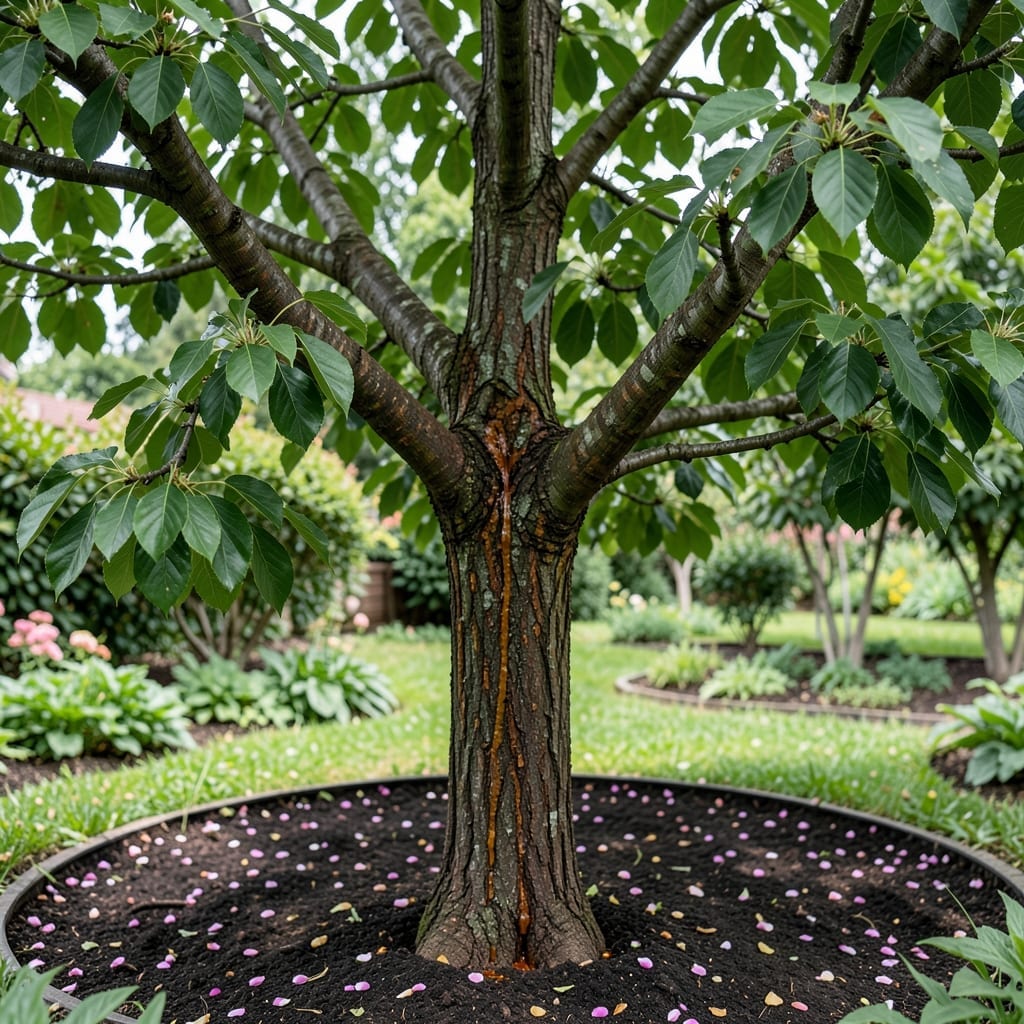
That sticky amber sap oozing from your cherry tree isn’t just unsightly—it’s a cry for help. I first noticed it on my own tree after a particularly wet spring, and ignoring it would have been a costly mistake.
Gummosis signals your tree is under stress, usually from bacterial or fungal infection, physical injury, or environmental strain. The sap attracts pests and can spread disease if left unchecked. Catching it early makes treatment far more effective.
With the right approach, you can stop the oozing, heal the wounds, and restore your tree’s health. I saved mine with a combination of pruning, sanitizing, and targeted care that took less than an afternoon.
Prevention is simpler than treatment, and the same methods protect against future outbreaks. Here’s how to tackle it head-on.
Cherry tree gummosis often leaves gardeners puzzled, but the causes are rooted in stress or injury. Here’s a breakdown of the most common triggers:
Pathogens like Pseudomonas syringae or Leucostoma fungi invade through wounds, disrupting the tree’s vascular system. The tree responds by exuding sap—its natural defense—to seal off the infection. Action: Prune infected branches during dry weather and sterilize tools to prevent spread.
Cuts from pruning, lawnmowers, or even harsh weather (e.g., hail) create entry points for pathogens. The tree’s sap oozes to protect the wounded area. Action: Avoid unnecessary injuries and apply tree wound paste to larger cuts.
Drought, extreme heat, or poor soil drainage stress the tree, weakening its defenses. Stressed trees are more susceptible to gummosis. Action: Mulch to retain moisture, improve drainage, and water deeply during dry spells.
Boring insects (e.g., peach tree borers) or aphids damage bark and tissues, prompting sap leakage. Action: Monitor for pests and treat with horticultural oil or insecticides if needed.
If your cherry tree is oozing sap, don’t panic—there are clear steps you can take to restore its health. Below are targeted solutions for common causes, along with prevention tips to keep your tree thriving. 🌳✨
For infections like Pseudomonas or Botryosphaeria, start by pruning affected branches 2–3 inches below the gummy area using sterilized shears. Disinfect tools with rubbing alcohol between cuts to avoid spreading pathogens. Apply a copper fungicide or bactericide to the wounds and surrounding bark. Reapply after rain or as directed on the product label.
Prevention: Improve air circulation by thinning branches, and avoid overhead watering to reduce moisture on leaves and bark.
If borers, aphids, or scale insects are the culprits, remove them manually with a soft brush or cloth dipped in soapy water. For severe cases, apply horticultural oil or neem oil to suffocate pests. Introduce beneficial insects like ladybugs for long-term control.
Prevention: Inspect your tree regularly for early signs of pests. Apply a dormant oil spray in late winter to smother overwintering eggs.
Drought, poor drainage, or extreme temperatures can stress your tree, leading to gummosis. Water deeply (1–2 inches per week) during dry spells, and mulch around the base to retain moisture. If the soil is waterlogged, improve drainage by amending with compost or creating a small berm.
Prevention: Plant cherry trees in well-draining soil and provide afternoon shade in hot climates. Avoid heavy pruning during extreme heat or cold.
Clean wounds caused by lawnmowers, wildlife, or improper pruning with a damp cloth to remove debris. Avoid sealing with paint or tar—modern research shows this can trap moisture and worsen decay. Instead, let the tree heal naturally.
Prevention: Protect the trunk with a tree guard and keep the area around the base free of weeds and equipment.
Yes, fungal and bacterial causes can spread between trees. Always sterilize pruning tools with rubbing alcohol between cuts to prevent contamination. Remove and destroy severely infected branches rather than composting them.
Early intervention is key, but even advanced cases can recover with aggressive pruning and proper treatment. Focus on improving the tree’s overall health through consistent watering and pest control.
With proper care, most trees show improvement within 4-6 weeks. Complete healing may take a full growing season. Monitor for new growth as a positive sign of recovery.