
Beautiful Plants For Your Interior
Beautiful Plants For Your Interior
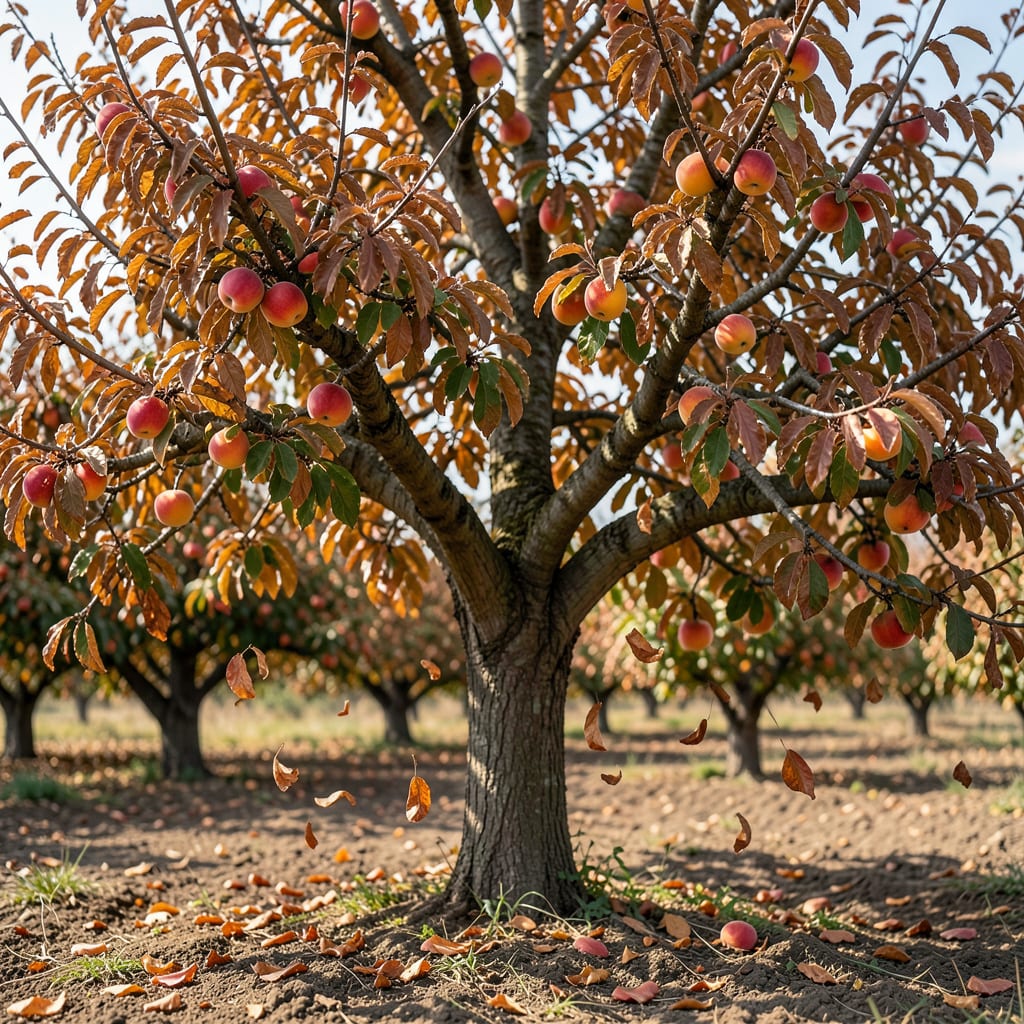
Your peach tree shouldn’t look like it’s giving up in summer. I’ve stood under mine, watching leaves yellow and drop, only to find a simple fix that saved the next season’s harvest.
Most leaf loss comes down to three culprits: thirsty roots, hungry pests, or sneaky diseases. The good news? Each leaves clues—curled edges, sticky residue, or dark spots—that point to the exact problem.
Once you know what you’re dealing with, the solution is often just a spray bottle or pruning shears away. I’ve nursed trees back from the brink with one weekend of targeted care.
No guesswork, no expensive treatments. Just clear steps to stop the damage and get your tree thriving again.
Peach trees shed leaves for several reasons, often tied to environmental stress, pests, or diseases. Below are the most common causes, explained with actionable insights.
Extreme temperatures, drought, or waterlogging can trigger leaf drop. Peach trees thrive in well-drained soil and moderate moisture. Heatwaves may cause scorching, while cold snaps damage tender foliage. Overwatering suffocates roots, reducing their ability to absorb nutrients.
Aphids, mites, and borers feast on leaves, sap, or bark, weakening the tree. Aphids excrete honeydew, promoting sooty mold, while mites cause stippling or yellowing. Borers tunnel into wood, disrupting water flow. Inspect leaves for visible pests or webbing to confirm.
Peach leaf curl (caused by Taphrina deformans) twists leaves before they drop. Brown rot (Monilinia spp.) creates mummified fruit and spotted leaves. Bacterial leaf spot (Xanthomonas arboricola) forms water-soaked lesions. These pathogens thrive in wet, humid conditions.
Lack of nitrogen, potassium, or magnesium leads to yellowing (chlorosis) and premature leaf fall. Nitrogen deficiency starts in older leaves, while potassium shortages affect leaf edges. Test soil pH (ideal: 6.0–6.5) and amend with compost or targeted fertilizers.
If your peach tree is dropping leaves, act fast with these targeted fixes. Each solution addresses a specific cause—pick the one that matches your tree’s symptoms.
Drought or waterlogged roots both trigger leaf drop. Check soil 2 inches deep—if bone-dry, water deeply (1–2 inches per week). If soggy, improve drainage by mixing in compost or creating a small berm. Prevention tip: 💡 Mulch with 2–3 inches of wood chips to retain moisture without suffocating roots.
For aphids or borers, blast them off with a strong water spray early in the day. Apply neem oil or insecticidal soap at dusk, repeating every 5–7 days until gone. Prevention tip: ✨ Encourage ladybugs and lacewings—natural predators that keep pests in check.
Peach leaf curl or brown rot need immediate action. Remove infected leaves (don’t compost them!) and dispose in sealed bags. Apply a copper fungicide in early spring or at first signs. Prevention tip: 🌧️ Space trees for airflow and avoid overhead watering to reduce humidity.
Late frosts or heatwaves stress trees. Protect young trees with frost cloth in cold snaps. For heat stress, provide afternoon shade and ensure consistent watering. Prevention tip: 🎯 Plant in a spot with stable temperatures and good air circulation.
Yellowing leaves often signal nitrogen or iron shortages. Test soil and amend with a balanced fertilizer (10-10-10) or iron chelates. Prevention tip: 📊 Apply compost annually to maintain soil health.
Act early, and your peach tree will bounce back with lush, healthy foliage!
Yes! Too much water suffocates roots, preventing nutrient uptake. Check soil 2 inches deep—if soggy, hold off on watering and improve drainage.
Look for visible insects, webbing, or sticky residue (honeydew) on leaves. Aphids and mites often leave these clues. A strong water spray can dislodge them temporarily.
Healthy trees often regrow leaves after fixing the issue. For fungal diseases, remove infected leaves and apply copper fungicide. New growth should appear within weeks.
Not always—some leaf loss is normal in fall. But sudden or heavy drop during growing season signals stress. Act quickly to identify and address the cause.
