
Beautiful Plants For Your Interior
Beautiful Plants For Your Interior
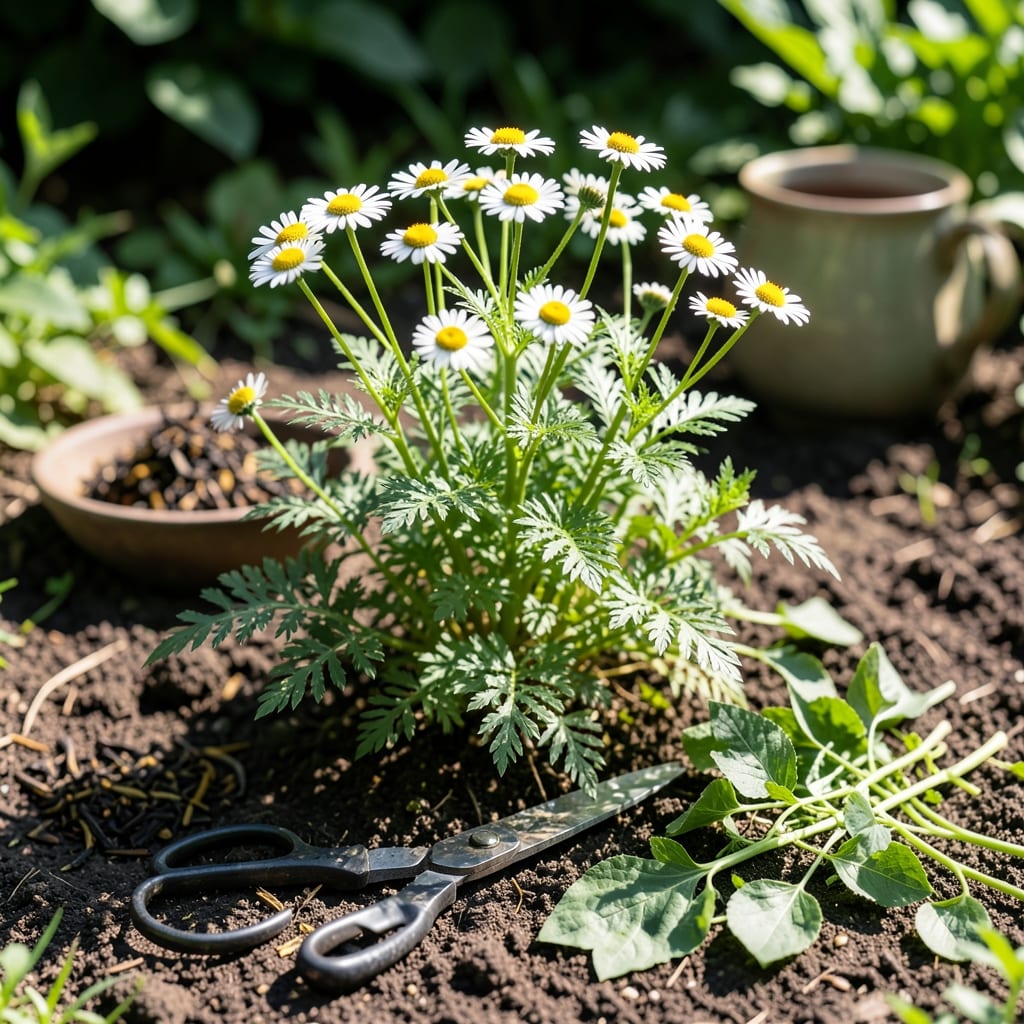
Yes, chamomile leaves can be used for tea, but they have a milder, more bitter taste than the flowers. Fresh or dried leaves are safe in moderation, though flowers are traditionally preferred.
I often turn to chamomile leaves when I want a more earthy, subtle cup. The bitter undertones come from different compounds than those in the sweet flowers, which contain higher levels of apigenin. This makes leaf tea a unique option for those who enjoy less floral intensity. 💫
For best results, I harvest young leaves before the plant flowers, as they tend to be less bitter. Proper drying is key to preserving their delicate qualities. ✨
💡 In This Article
The flavor gap comes down to chemistry. Chamomile flowers pack 0.5-1.5% apigenin, the compound that delivers that signature sweet, apple-like taste. Leaves contain far less apigenin but more lactones and tannins, which create a grassier, slightly astringent profile. This is why a leaf infusion tastes more like green tea than the floral chamomile you know.
💫
Traditional use favors flowers because they’ve been studied more extensively. Research shows flower teas contain 20-50% more volatile oils than leaf teas, including bisabolol oxide A, which contributes to the soothing aroma.
Leaves, while safe, offer a more muted experience that some describe as “herbal hay.” The difference becomes obvious when you compare the golden hue of flower tea to the pale green of leaf tea.
For those sensitive to pollen, leaves might actually be preferable. Flowers can carry trace pollen allergens, while leaves rarely do. I’ve also noticed leaf tea has a more pronounced effect on digestion due to its higher chamazulene content, though the research on this is still emerging. The tradeoff is a less aromatic cup. ✨
The preparation matters too. Leaves often require 5-7 minutes of steeping to extract their full range of compounds, compared to 3-5 minutes for flowers. This longer infusion time can intensify the bitterness, which is why many herbalists recommend blending 1 part leaves with 2 parts flowers for balance.
The bitterness can be pleasant, almost like a mild dandelion root tea.
From a practical standpoint, leaves are more abundant. A single chamomile plant produces dozens of leaves for every flower, making leaf tea a more sustainable choice for home gardeners. The flavor is consistent year-round, while flowers have a definite seasonal peak in late spring and early summer. 🌟
Yes, they have a milder, more earthy and slightly bitter taste. Flowers are sweeter with apple-like notes due to higher apigenin content, while leaves have more tannins.
You can, but fresh leaves may have a stronger grassy flavor. Use 2 tablespoons of fresh leaves per 8 oz of water, and steep for 5-7 minutes.
Store them in an airtight container away from light and moisture. They’ll keep their flavor for up to 6 months.
Flowers contain 20-50% more volatile oils and apigenin, giving a sweeter, more aromatic brew. Leaves are safe but offer a subtler, less fragrant cup.