
Beautiful Plants For Your Interior
Beautiful Plants For Your Interior
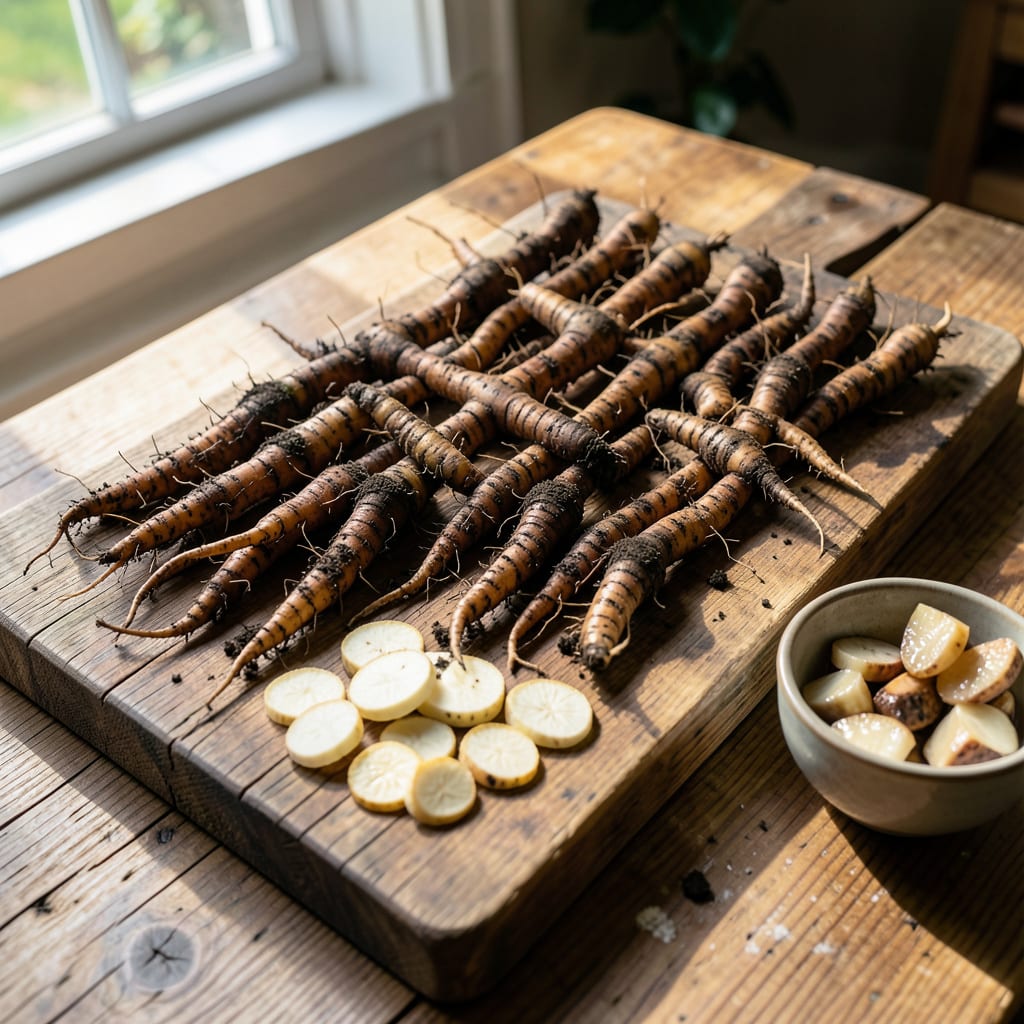
I’ll be real with you: dandelion roots aren’t just weeds—they’re a hidden treasure for herbal tea. Drying them properly locks in that deep, earthy flavor and extends the harvest for months.
After digging and cleaning, the drying process is simple: low heat, good airflow, and patience. Within 1-2 weeks, you’ll have roots ready for brewing a bold, caffeine-free cup.
📚 In This Guide
This reliable method preserves the root’s robust flavor and medicinal properties without any fancy equipment.
Dig up mature dandelion plants with a garden fork, being careful to extract as much of the long taproot as possible. The best time is early spring or late fall when the plant’s energy is concentrated in the root, making it most potent for tea.
Shake off excess soil and rinse the roots under cool water to remove any remaining dirt. Use a soft brush if needed, but avoid scrubbing too hard—this can damage the delicate root fibers. Pat them dry with a clean towel to remove surface moisture.
Trim off any thin root hairs and the leafy crown, leaving only the thick, fleshy taproot. This ensures you’re working with the most flavorful and medicinal part of the plant.
Cut the cleaned roots into ¼ to ½ inch thick rounds or lengthwise strips. Uniform sizing is crucial because it ensures even drying—thicker pieces take longer and may develop mold, while thinner ones can dry too quickly and lose potency.
I’ve found that using a sharp knife or kitchen shears makes this process much easier. The roots can be tough, so take your time to avoid jagged edges, which can slow down the drying process.
Lay the sliced roots in a single layer on a clean, dry surface. If you’re using a dehydrator, set it to 95-115°F and dry for 8-12 hours, checking periodically. The roots are done when they snap cleanly rather than bend.
For air drying, place the roots on a mesh screen or parchment paper in a well-ventilated area away from direct sunlight. Stir or flip them daily to ensure even exposure to air. This method typically takes 2-3 weeks, depending on humidity levels.
Once fully dried, the roots should be brittle and break easily. Store them in an airtight container, such as a glass jar, in a cool, dark place. This protects them from moisture and light, which can degrade their quality over time.
Label the container with the date so you can track freshness. Properly dried and stored dandelion roots can last up to 1 year without losing their flavor or medicinal properties. For the best tea, use them within 6 months.
Here’s how to ensure your dandelion roots dry perfectly every time.
Harvest Timing: Early spring or late fall is ideal for Step 1 because that’s when the plant’s energy is most concentrated in the root. I’ve found that mature plants yield the most potent tea, so don’t rush the harvest. Patience here pays off in flavor and medicinal strength.
Uniform Slicing: For Step 2, stick to the ¼ to ½ inch thick slices as specified. Uniformity is key—thicker pieces risk mold, while thinner ones lose potency. A sharp knife or kitchen shears helps avoid jagged edges, which can slow drying and create uneven results.
Dehydrator Precision: In Step 3, set your dehydrator to 95-115°F and dry for the full 8-12 hours. Check periodically, but resist the urge to rush. The roots are done when they snap cleanly, not just bend. This low-and-slow approach preserves both flavor and medicinal properties without risking spoilage.
Storage Wisdom: Once dried, transfer the roots to an airtight container immediately. A cool, dark place is non-negotiable to prevent degradation from light and moisture. Labeling with the date ensures you use them within the optimal 6-month window for peak freshness.
Drying typically takes 1-2 weeks in a well-ventilated, dark space. For faster results, use a dehydrator (4-6 hours at 95°F) or an oven on low heat (2-4 hours at 170°F). Ensure roots are fully dry and brittle before storing.
Fresh roots can be used but have a milder flavor and may spoil quickly. Drying concentrates the earthy, bitter notes and preserves them for longer storage. Always wash and chop roots before use.
Check humidity levels—high moisture slows drying. Spread roots in a single layer, ensure good airflow, and avoid direct sunlight. Rotate or flip them occasionally for even drying.
Yes! You can roast fresh roots for a richer, coffee-like flavor. Freezing is another option, but it may alter texture. Drying remains the best method for long-term tea storage.
