
Beautiful Plants For Your Interior
Beautiful Plants For Your Interior
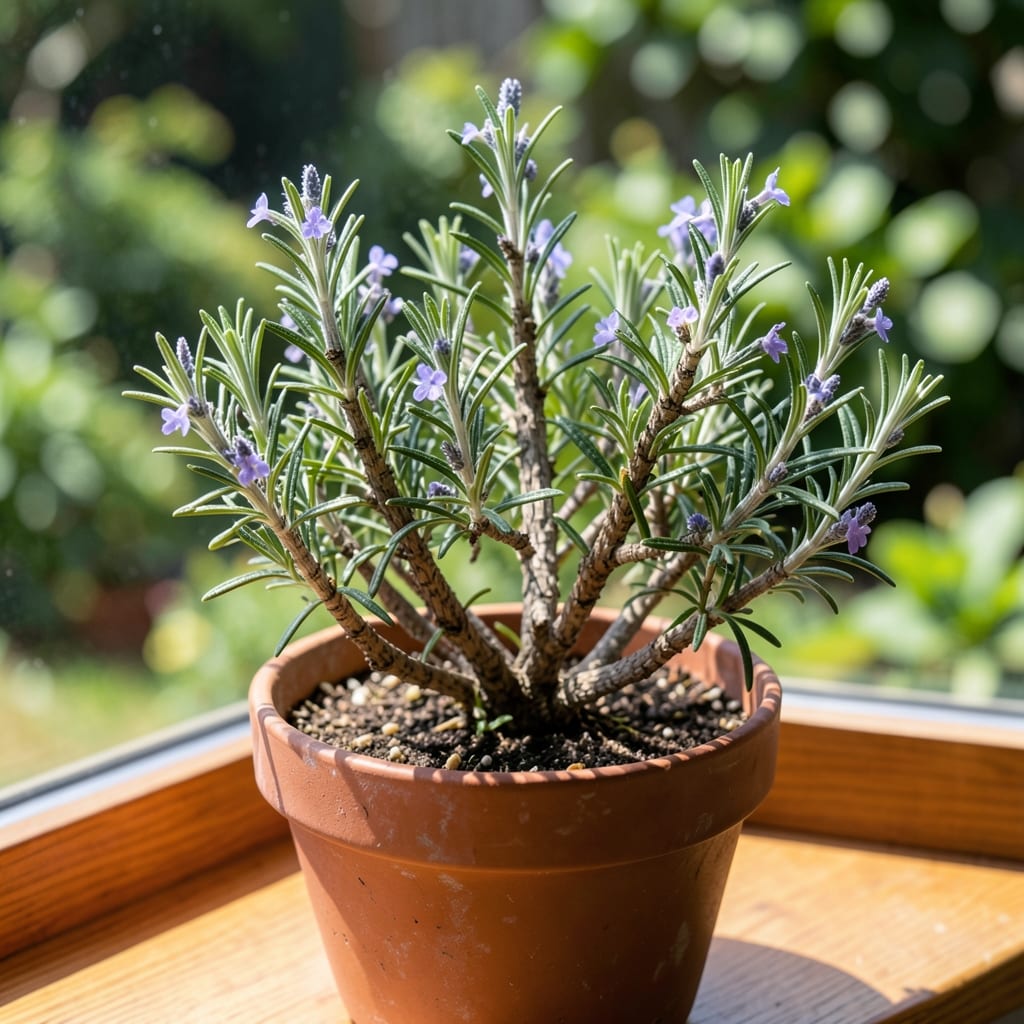
Most common culinary salvia varieties like pineapple sage or purple sage have edible leaves, but ornamental types may be unsafe. Always verify the species before consuming.
I’ve worked with these herbs extensively, and the difference often comes down to cultivation purpose. Culinary salvias are bred for flavor and safety, while ornamental varieties may contain compounds that can cause digestive upset or worse. Pineapple sage, for instance, offers a delightful citrusy note, but I always double-check before trying any new variety. ✨
💡 In This Article
The key difference lies in their chemical composition. Culinary salvias like pineapple sage contain safe aromatic compounds such as thujone in trace amounts, while ornamental types may have higher concentrations of toxic terpenoids. These compounds can cause nausea or dizziness when consumed in quantity. 🔥
Common edible varieties include purple sage, clary sage, and pineapple sage. Each offers unique flavor profiles ranging from earthy to fruity. In contrast, species like Salvia divinorum contain salvinorin A, a potent psychoactive compound that makes them unsafe for consumption.
Botanists classify safe culinary salvias in the Lamiaceae family’s edible subgroup. These have evolved with lower toxicity levels because they were historically used in cooking. Their leaves typically have softer textures and more pronounced aromas compared to ornamental varieties.
Always examine the plant’s characteristics before tasting. Edible salvias usually have velvety leaves with strong fragrances, while toxic varieties might have bitter tastes or unusual leaf shapes. When in doubt, consult a reliable plant identification guide or expert. ✨
Remember that even safe varieties should be consumed in moderation. The essential oils in salvia leaves are highly concentrated—using more than 1-2 teaspoons of fresh leaves per serving can lead to digestive discomfort for some individuals.
Pineapple sage, purple sage, and clary sage are common edible types. Always confirm the species before using, as ornamental varieties may be unsafe. When in doubt, consult a plant expert.
Rinse fresh leaves gently and pat dry. Use young, tender leaves for best flavor. Chop finely and add 1-2 teaspoons to dishes like soups or salads for a bright, aromatic touch.
Yes! Hang small bunches upside down in a dry, dark place for 1-2 weeks. Store in an airtight container away from light. Dried leaves are great for rubs, marinades, or herbal teas.
Even edible varieties can cause digestive discomfort if overconsumed. Stick to ½-1 teaspoon per serving to avoid issues. The essential oils are potent, so moderation is key.