
Beautiful Plants For Your Interior
Beautiful Plants For Your Interior
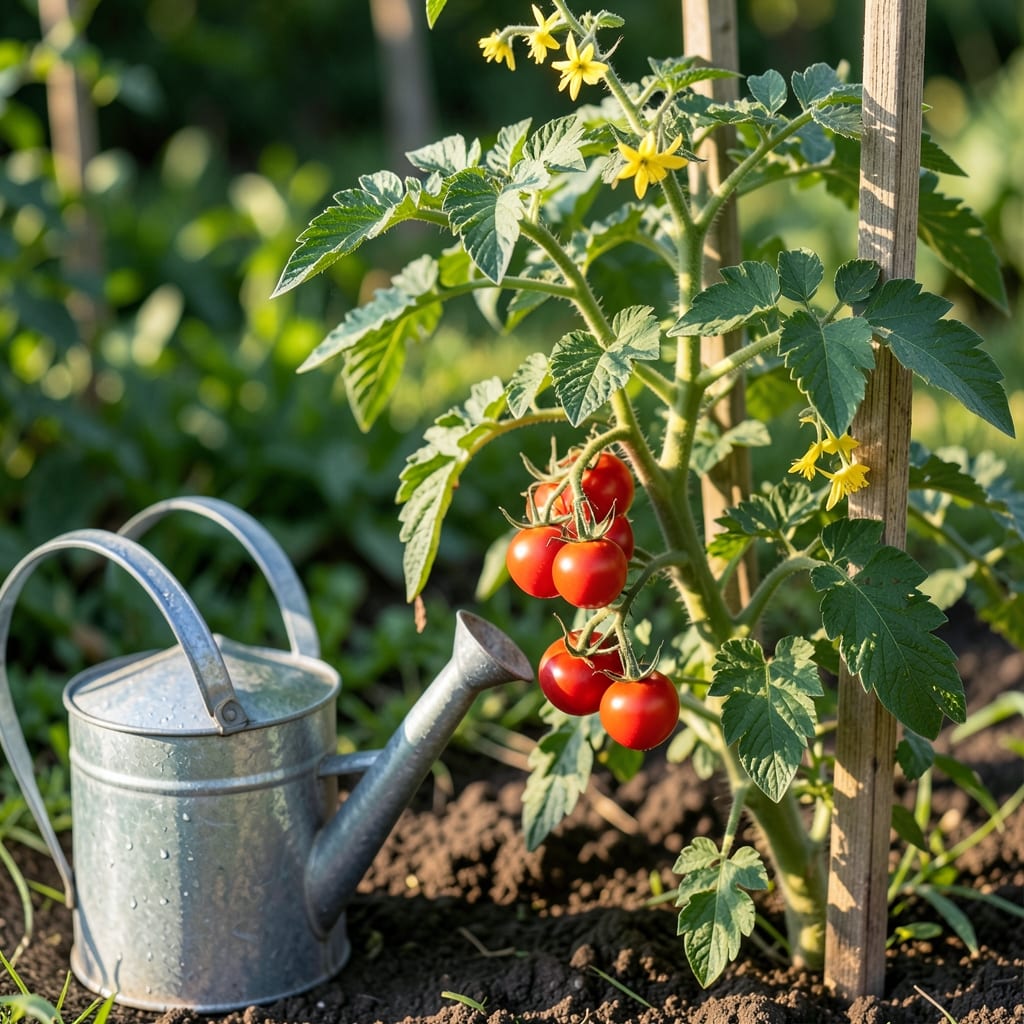
Watching tomato plants droop is gut-wrenching. I’ve seen them bounce back from underwatering in 24 hours with the right care, but some wilts signal the end. The difference is knowing what you’re dealing with.
Underwatering shows as crisp, dry leaves, while overwatering makes them limp and yellow. Disease wilts often start at the bottom, pests leave visible damage. I always check soil moisture first—my finger’s the best tool I own.
With quick action, many plants recover completely. Cut back on water if it’s soggy, drink up if it’s bone dry. For disease or pests, remove affected parts and treat the rest. New growth means you’re winning.
Prevention’s simpler than cure. Consistent watering, good airflow, and watching for early signs keep plants standing tall all season. Some battles are winnable—others aren’t worth fighting.
Tomato plants wilt when their cells lose turgor pressure, often due to environmental stress or disease. Understanding the root cause is key to revival. Here are the most common triggers:
High temperatures (above 90°F/32°C) accelerate transpiration, causing leaves to droop as the plant struggles to retain moisture. Solanum lycopersicum (tomato) has shallow roots, making it especially vulnerable to drought. Without adequate water uptake, the vascular system fails to maintain rigidity.
Inconsistent watering—either too little or too much—disrupts root function. Dry soil starves roots of hydration, while waterlogged soil suffocates them, preventing oxygen absorption. Both scenarios lead to wilt as the plant’s ability to transport water and nutrients collapses.
Pathogens like Verticillium, Fusarium, or Ralstonia solanacearum (bacterial wilt) block the xylem, the plant’s water-conducting tissue. Infected plants wilt suddenly, often starting with lower leaves. Fungal spores thrive in wet, warm soil, while bacteria spread through contaminated tools or water.
Sap-sucking pests—aphids, whiteflies, or spider mites—weaken plants by draining fluids and spreading viruses (e.g., Tomato Spotted Wilt Virus). Their feeding disrupts photosynthesis and nutrient flow, leading to gradual or rapid wilting.
A lack of calcium (blossom end rot) or magnesium (interveinal chlorosis) can stress plants, reducing their resilience to heat or disease. Poor soil quality or improper fertilization often triggers these deficiencies, indirectly causing wilt.
Wilted tomato plants can often bounce back with the right care. Here’s how to tackle the most common causes and restore your plants to their vibrant best.
Give your plants a deep watering at the base, ensuring the soil is moist but not soggy. Water in the early morning to reduce evaporation. Prevention tip: 💡 Mulch around the base to retain moisture and keep roots cool.
Stop watering immediately and let the soil dry out slightly. If the roots are waterlogged, loosen the soil gently to improve aeration. For potted plants, ensure containers have drainage holes. Prevention tip: 🌱 Use well-draining soil and water only when the top inch of soil feels dry.
Inspect leaves and stems for pests like aphids or whiteflies. Spray with neem oil or insecticidal soap, focusing on the undersides of leaves. For severe cases, remove heavily infested leaves. Prevention tip: 🛡️ Introduce beneficial insects like ladybugs or use row covers to deter pests.
If fungal or bacterial diseases (like wilt or blight) are the culprit, prune affected leaves immediately and dispose of them far from the garden. Apply a copper-based fungicide as directed. Prevention tip: 🌿 Space plants properly for airflow and avoid overhead watering to reduce humidity.
During extreme heat, erect shade cloths or use row covers to protect plants from direct afternoon sun. Keep the soil consistently moist. Prevention tip: 🌡️ Plant heat-tolerant varieties and water deeply before a heatwave hits.
With prompt action, most wilted tomato plants can recover and thrive again!
Underwatered plants often show improvement within 1-2 hours of deep watering. If wilting persists after 24 hours, the issue may be more serious like disease or root damage.
Yes, if caught early. Stop watering and let soil dry slightly. For severe cases, repot in fresh, well-draining soil. Recovery takes 3-7 days if roots aren’t rotted.
Stems that stay limp after 48 hours of proper care or turn mushy indicate permanent damage. Also, blackened stems or foul odors mean the plant won’t recover.
Prune only severely damaged leaves to help the plant focus energy on healthy growth. Leave slightly wilted leaves—they may recover with proper treatment.