
Beautiful Plants For Your Interior
Beautiful Plants For Your Interior
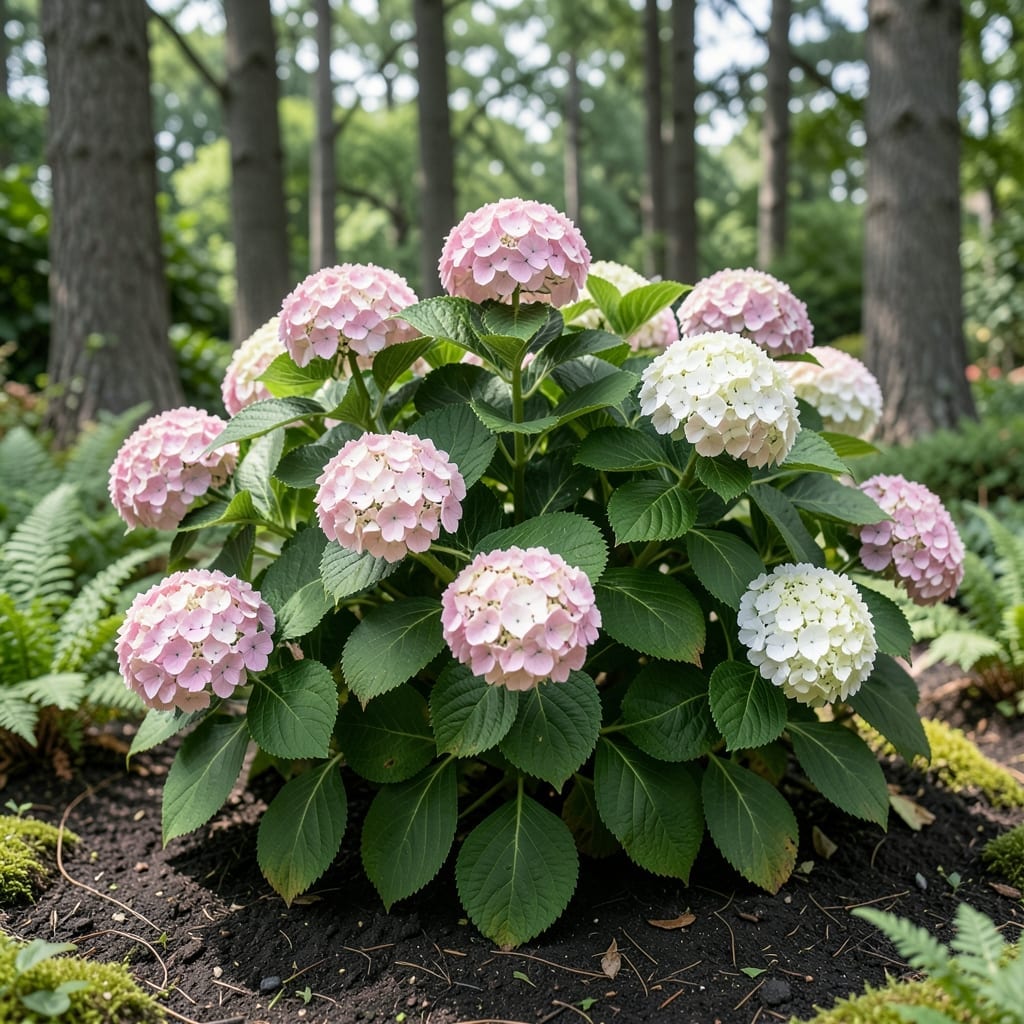
Hydrangeas are beloved for their lush, vibrant blooms, but many gardeners wonder if these stunning shrubs can thrive without direct sunlight. The good news? Some 🌸 Hydrangea varieties flourish in full shade.
I’ve tested different types in my own garden, and the results might surprise you. These adaptable plants can bring color to even the darkest corners of your yard.
Discover which varieties work best and how to give them the care they need to produce those gorgeous blooms you love.

If you think full shade means no hydrangeas, think again. I’ve found several varieties that not only survive but thrive without direct sunlight. These plants bring vibrant color to shady spots.
From my experience, Oakleaf Hydrangeas are the most shade-tolerant. They produce stunning white blooms and have beautiful fall foliage, making them perfect for dark corners.
| Variety | Shade Tolerance | Bloom Color | Mature Size |
|---|---|---|---|
| Oakleaf | High | White | 6-8 ft |
| Bigleaf | Medium | Blue/Pink | 4-6 ft |
| Climbing | High | White | 30-80 ft |
| Smooth | Medium | White | 3-5 ft |
Bigleaf Hydrangeas also do well in partial to full shade. Their blue or pink blooms add a pop of color, but they need consistent moisture to prevent wilting.
Climbing Hydrangeas are another excellent choice. They can grow up to 80 feet with support, and their white flowers create a stunning vertical display in shady areas.
For smaller spaces, Smooth Hydrangeas are ideal. They tolerate shade well and produce large, white flower heads that can brighten up any dim garden spot.
I’ve noticed that these varieties still need well-draining soil and regular watering. Even shade-tolerant plants can suffer in soggy conditions, so good drainage is key.
Another tip: mulching helps retain moisture and keeps roots cool. I use organic mulch like wood chips or compost, which also adds nutrients as it breaks down.
If your garden has deep shade, focus on Oakleaf or Climbing Hydrangeas. They’re the most adaptable and will reward you with beautiful blooms despite the lack of sunlight.
Remember, even shade-loving hydrangeas benefit from a little filtered light. If possible, choose a spot with dappled sunlight or morning sun to give them an extra boost.
With the right care and variety selection, your shady garden can be just as vibrant as any sunny spot.🌿
Growing hydrangeas in full shade is absolutely possible with the right approach. I’ve learned that soil preparation is the foundation for success in low-light conditions.
Start by amending your soil with plenty of organic matter like compost or well-rotted manure. This improves drainage while retaining the moisture hydrangeas crave.
A consistent watering schedule is crucial. I water my shade hydrangeas deeply once a week, increasing to twice weekly during dry spells. The soil should stay moist but never waterlogged.
For mulching, I recommend a 2-3 inch layer of organic material like shredded bark or pine needles. This keeps roots cool and helps maintain soil moisture between waterings.
When it comes to fertilization, less is more in shade. I use a balanced fertilizer in early spring, then a light application in early summer to support bloom production without overstimulating growth.
Finally, don’t forget about pruning. Most hydrangeas bloom on old wood, so I prune mine right after flowering to avoid cutting off next year’s buds. This keeps them healthy and flowering abundantly.
With these care tips, your shade hydrangeas will reward you with lush foliage and beautiful blooms.🌸