
Beautiful Plants For Your Interior
Beautiful Plants For Your Interior
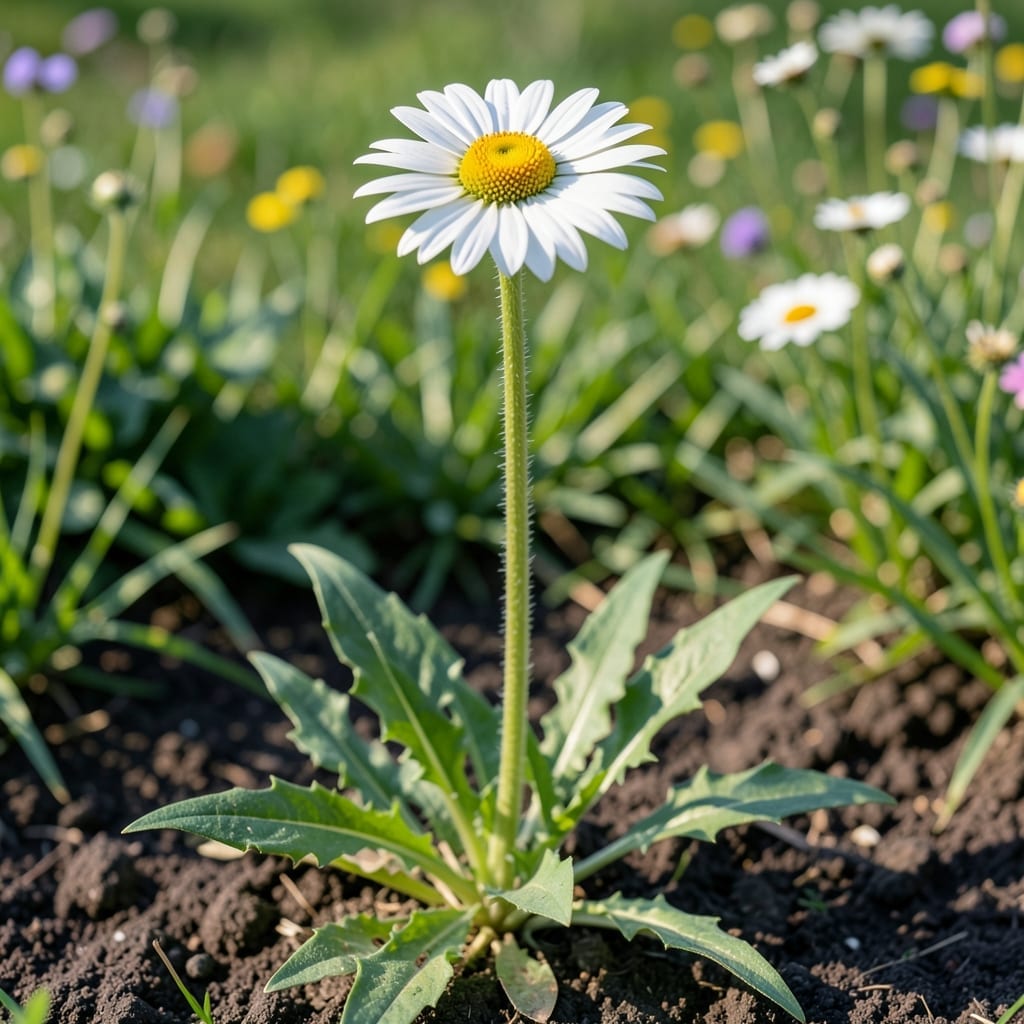
Yes, daisies can absolutely be yellow. Several natural varieties, including the Oxford daisy and some Shasta daisy cultivars, display bright or pale yellow blooms alongside the classic white types.
You might picture daisies as purely white with yellow centers, but nature offers far more variety. 💛 The golden hues come from carotenoid pigments in the petals, the same compounds that give carrots and marigolds their color. I’ve seen yellow daisies thrive in wild meadows and garden borders, adding unexpected warmth to traditional floral displays.
💡 In This Article
The golden yellow in some daisy petals comes from carotenoid pigments, the same compounds that color carrots and marigolds. These natural pigments absorb blue-green light and reflect yellow-orange hues. In daisies, carotenoids accumulate in the petal cells during bud development, creating that sunny appearance we see in full bloom. 🌟
Bellis perennis ‘Golden Ball’ is a classic example, producing fully double yellow blooms. The Oxeye daisy (Leucanthemum vulgare) has varieties like ‘Banana Cream’ with soft pale yellow petals. These plants thrive in USDA zones 4-9, preferring well-drained soil and full sun exposure for at least 6-8 hours daily.
What’s fascinating is how yellow intensity varies by species. The African daisy (Dimorphotheca sinuata) can display almost neon yellow flowers, while Shasta daisies like ‘Becky’ show softer buttery tones. This variation comes from different carotenoid concentrations and the presence of other pigments that modify the hue.
In the wild, yellow daisies often grow in meadows and open woodlands where their bright color attracts pollinators. The Montau Daisy (Nipplewickia montana) is a North American native that produces cheerful yellow flowers from spring to fall, demonstrating how these plants have adapted their coloration for maximum visibility to bees and butterflies. ✨
Gardeners prize yellow daisies for their ability to brighten borders and cutting gardens. The flowers typically measure 2-4 inches across, with some varieties like the Gerbera daisy reaching up to 5 inches in diameter. Their long stems make them ideal for bouquets, with the yellow varieties offering a warm alternative to traditional white blooms.
These plants also demonstrate remarkable resilience. Most yellow daisy varieties are drought-tolerant once established, requiring only 1 inch of water per week. Their ability to thrive in various conditions—from coastal gardens to mountain meadows—shows how nature’s color palette extends far beyond our traditional expectations. 💫
Carotenoid pigments create the yellow hue in daisy petals. These natural compounds absorb blue-green light and reflect yellow-orange tones, similar to how they color carrots and marigolds.
Bellis perennis ‘Golden Ball’ and Oxeye daisy ‘Banana Cream’ are popular yellow varieties. African daisies can show neon yellow, while Shasta daisies like ‘Becky’ display softer buttery tones.
They need 6-8 hours of daily sun and well-draining soil. Water deeply weekly with about 1 inch of water and space plants 12-18 inches apart for best results.
Most thrive in USDA zones 4-9. In colder areas, add 2-3 inches of mulch in late fall to protect roots from freeze-thaw cycles.