
Beautiful Plants For Your Interior
Beautiful Plants For Your Interior
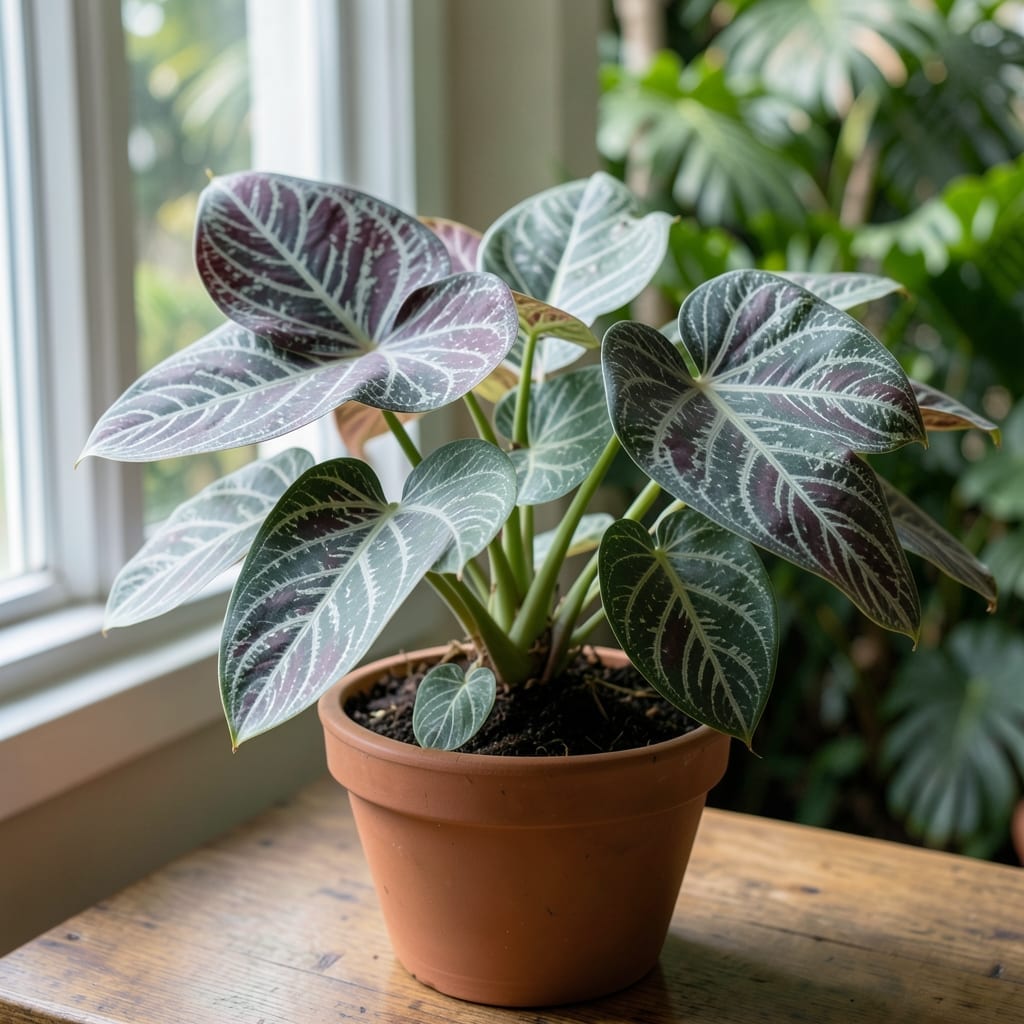
My Calathea orbifolia went from proud to pathetic overnight. 🌱 The leaves drooped like they’d given up on life, and I panicked—until I figured out the water and light balance this plant actually needs.
Here’s the thing—these tropical beauties are drama queens. Too little water? They wilt. Too much? They rot. Not enough humidity? They protest. But once you adjust these three things, they bounce back fast.
I learned the hard way: 90% of drooping cases fix with a water check and a light shift. The other 10% usually mean root trouble. Either way, it’s an easy diagnosis with the right steps.
Works for any Calathea, not just orbifolia. Let’s get those leaves standing tall again.
Your Calathea orbifolia’s dramatic droop is its way of signaling distress. This tropical beauty is highly sensitive to its environment, and even minor deviations from its ideal conditions can trigger wilting. Below are the most frequent culprits behind the sad, sagging leaves.
Underwatering causes the soil to dry out, leading to a loss of turgor pressure in the plant’s cells. Without adequate water, the leaves lose their structure and droop. Conversely, overwatering suffocates the roots, preventing them from absorbing oxygen and nutrients. This leads to root rot, which manifests as yellowing leaves and a limp appearance. Calathea orbifolia thrives in consistently moist but well-draining soil—think damp sponge, not swamp.
Native to the humid floors of Brazilian rainforests, this plant despises dry air and temperature extremes. Low humidity (below 50%) causes the leaves to lose moisture rapidly, resulting in drooping. Similarly, exposure to cold drafts (below 60°F) or hot, dry air (above 75°F) disrupts its cellular function. Keep it in a stable environment with 60-70% humidity and temperatures between 65-75°F for optimal health.
While Calathea orbifolia loves bright, indirect light, direct sunlight scorches its delicate foliage, leading to leaf burn and drooping. On the other hand, insufficient light weakens the plant, causing leggy growth and a lack of rigidity in the stems. Place it near an east- or north-facing window where it receives gentle, filtered light for 6-8 hours daily.
Compacted or poorly draining soil restricts root growth and water uptake, while nutrient-poor soil starves the plant of essential minerals like nitrogen, potassium, and magnesium. A lack of these nutrients weakens the plant’s structure, leading to drooping. Use a well-aerated, peat-based potting mix and fertilize lightly every 4-6 weeks during the growing season with a balanced, water-soluble fertilizer.
Bring your Calathea orbifolia back to life with these targeted fixes for the most common causes of drooping. Act fast, and your plant will reward you with its signature vibrant foliage. 🌿✨
Fix: Check the soil first. If it’s bone-dry, give your plant a thorough watering until water drains from the bottom. Use room-temperature, distilled, or rainwater to avoid shocking the roots. If the soil is soggy, stop watering immediately and let it dry out. For severe overwatering, repot the plant in fresh, well-draining soil after trimming any black, mushy roots.
Prevention: Water only when the top 1-2 inches of soil feel dry. Use a pot with drainage holes and a saucer to catch excess water. A moisture meter can help take the guesswork out! 💡
Fix: Move your orbifolia to a spot with bright, indirect light. East or north-facing windows are ideal. If leaves are scorched from direct sun, trim the damaged foliage and relocate the plant to a shadier area. For leggy, weak growth due to low light, supplement with a grow light for 10-12 hours a day.
Prevention: Rotate the pot every few weeks to ensure even light distribution. Avoid placing it near drafty windows or heating vents, which can stress the plant.
Fix: Calathea orbifolia thrives in 65-80°F (18-27°C) with humidity levels above 50%. If your home is dry, mist the leaves daily or place the pot on a pebble tray filled with water. For a more hands-off approach, use a humidifier nearby. Keep the plant away from cold drafts, AC units, or radiators.
Prevention: Group it with other houseplants to create a microclimate with higher humidity. Monitor room temperature and avoid sudden fluctuations. 🌡️
Fix: If roots are circling the pot or poking through drainage holes, it’s time to repot. Choose a container 1-2 inches larger and use a well-aerating, peat-based potting mix. Gently loosen the root ball before replanting to encourage new growth.
Prevention: Repot every 1-2 years or when you notice slowed growth. Refresh the soil annually to replenish nutrients.
Water when the top 1-2 inches of soil feel dry. Typically every 7-10 days, but check more often in hot weather. Always use room-temperature water to avoid shocking the roots.
Yes! These tropical plants react quickly to dry air. If humidity drops below 50%, leaves may droop within hours. A humidifier or pebble tray can provide instant relief.
Most leaves bounce back within 24-48 hours of correcting water or humidity issues. Severely damaged leaves may not recover, but new growth will appear healthy with proper care.
No, direct sun will scorch the delicate foliage. Always provide bright, indirect light instead. An east-facing window is ideal for 6-8 hours of gentle daily exposure.