
Beautiful Plants For Your Interior
Beautiful Plants For Your Interior
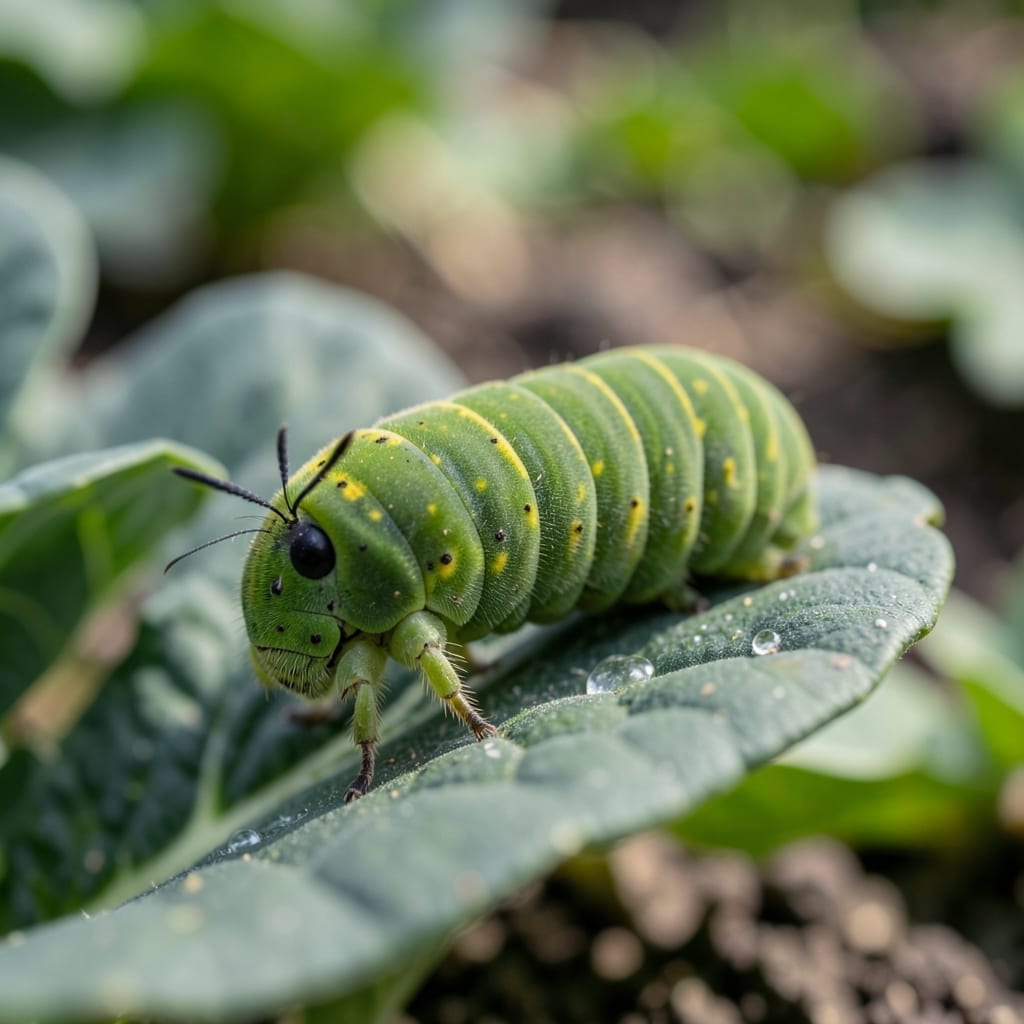
Those little green worms on your kale aren’t just ugly—they’re eating your lunch. I lost my first brassica crop to cabbage butterfly larvae before learning how to fight back without chemicals.
The damage happens fast: one day healthy leaves, the next skeletonized plants. The good news is that nature provides foolproof solutions that work better than store-bought sprays.
Within 48 hours of using the right methods, you’ll see fewer caterpillars and new growth returning. Your plants recover, and your harvest stays on track.
Works for broccoli, cabbage, kale—anything those white butterflies target. Here’s how to protect your garden.
The presence of cabbage butterfly larvae in your garden is no accident—it’s driven by a few key biological and environmental factors. Understanding these causes helps you disrupt their life cycle and protect your crops effectively.
Female cabbage white butterflies (Pieris rapae) actively seek out plants in the Brassicaceae family (cabbage, kale, broccoli) to lay their tiny, pale yellow eggs. These plants release sulfur-containing compounds that signal to the butterflies: “Perfect nursery here!” A single female can lay 200–300 eggs in her lifetime, often on the undersides of leaves to avoid predators and desiccation.
Warm, mild weather (60–80°F / 15–27°C) accelerates egg hatching and larval growth. High humidity also supports survival, as dry conditions can desiccate eggs. In regions with long growing seasons, multiple generations can emerge in a year, compounding the problem if left unchecked.
Planting large blocks of a single brassica crop creates a buffet for adult butterflies. Without diverse plantings or natural predators (like parasitic wasps or birds), larvae face little resistance and can quickly defoliate plants. Interplanting with herbs (dill, mint) or flowers (nasturtiums) can help mask the scent of host plants and deter egg-laying.
Dealing with cabbage butterfly larvae doesn’t have to mean reaching for harsh chemicals. Here’s how to tackle the problem naturally and keep your garden thriving:
Check the undersides of leaves for tiny yellow eggs or green larvae. Pick them off by hand and drop them into soapy water to prevent reinfestation. Pro tip 💡: Wear gloves for a firm grip, and inspect plants every few days.
Use lightweight floating row covers to block adult butterflies from laying eggs. Secure the edges with soil or rocks. For existing plants, netting works too—just ensure it’s taut to avoid holes.
Encourage birds, parasitic wasps, and ladybugs by planting companion flowers like dill, fennel, or alyssum. These predators feed on larvae, reducing their numbers organically.
Apply neem oil or Bacillus thuringiensis (Bt) spray to leaves, targeting larvae directly. Bt is especially effective—it disrupts their digestive systems without harming other insects. Reapply after rain.
Prevention Tips:
Look for tiny yellow eggs on leaf undersides or small holes in foliage. Green larvae appear soon after, often blending with leaves. Check plants every 2-3 days during warm weather.
Yes, they target all brassicas including kale, broccoli, and Brussels sprouts. They’ll also attack related plants like radishes and mustard greens if available.
Only if left on during flowering. Remove covers when plants bloom to allow pollinators access. Use them primarily during the vegetative stage.
Reapply neem oil or Bt every 5-7 days, or immediately after rain. Always spray in the evening to avoid harming beneficial insects.