
Beautiful Plants For Your Interior
Beautiful Plants For Your Interior
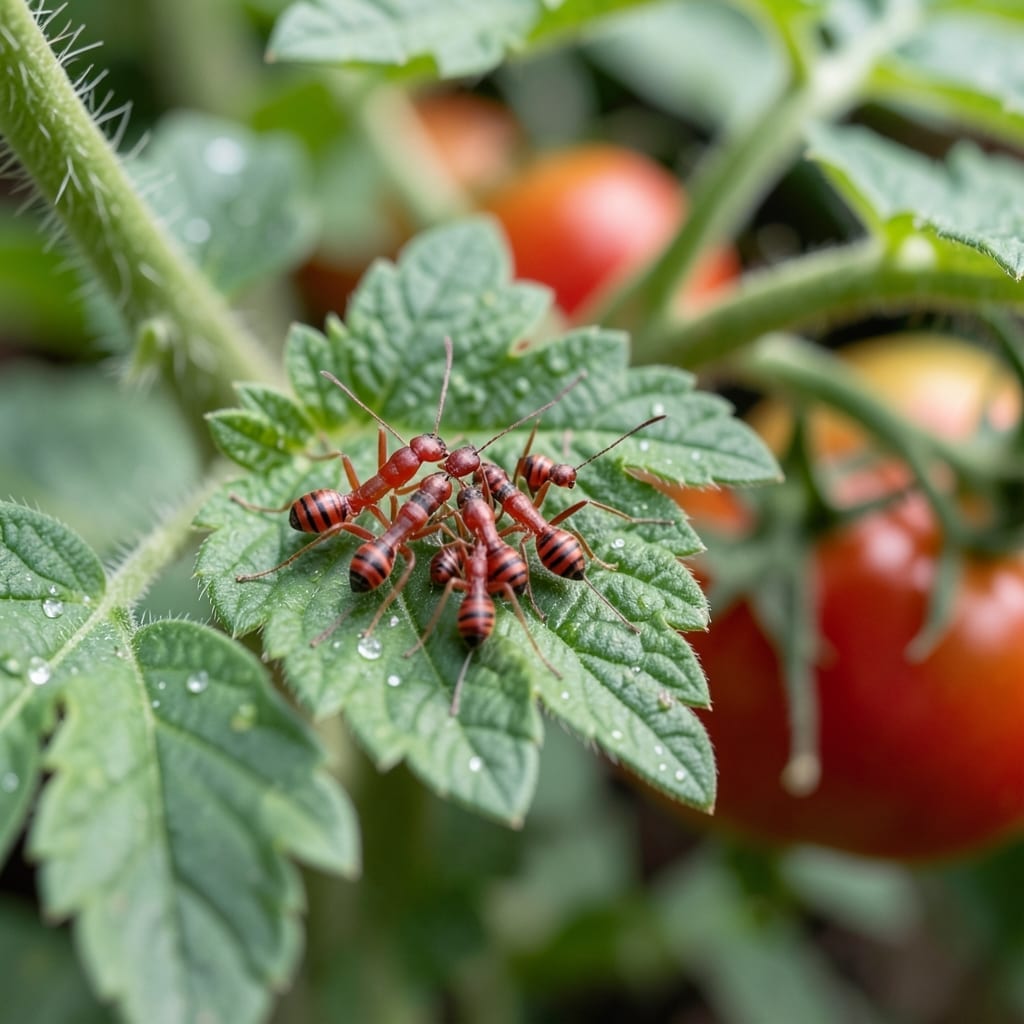
Nothing ruins a tomato season faster than discovering chewed leaves overnight. I’ve lost entire crops to pests that seemed to appear out of nowhere, leaving behind skeletonized plants and stunted growth.
Turns out, most tomato-eating bugs are predictable—and preventable. The usual suspects leave distinct calling cards: hornworms create massive holes, aphids cluster on new growth, and flea beetles leave tiny shot holes in leaves.
Organic solutions work surprisingly well if you catch them early. Hand-picking, neem oil, and companion planting can save your harvest without harsh chemicals. The key is daily inspections once you spot the first signs.
Prevention beats treatment every time. Healthy soil, proper spacing, and rotating crops break the pest cycle before it starts. Your plants will thank you with bigger yields and fewer battles.
Tomato plants are a magnet for pests due to their tender foliage, nutrient-rich sap, and strong scent. Understanding the root causes helps you prevent infestations before they start.
When tomato plants are spaced too closely, poor air circulation creates a humid, stagnant environment. This attracts aphids and whiteflies, which thrive in damp, shaded conditions. Solanum lycopersicum (tomato plants) release volatile organic compounds (VOCs) in dense settings, signaling easy prey to insects.
Excess nitrogen in soil promotes lush, soft growth—perfect for hornworms and beetles. These pests target weak, over-fertilized plants because their cell walls are easier to pierce. Conversely, phosphorus or potassium deficiencies stress plants, emitting distress signals that draw spider mites.
Both overwatering and drought stress tomatoes. Soggy soil invites fungus gnats and root maggots, while parched plants emit stress hormones that attract thrips. Consistent moisture levels disrupt these cues, making plants less appealing.
Monoculture gardens (growing only tomatoes) eliminate natural predators like ladybugs or lacewings. Without these checks, pest populations explode. Companion planting with basil or marigolds masks tomato VOCs, confusing pests and reducing infestations.
Dealing with pests on your tomato plants doesn’t have to mean reaching for harsh chemicals. Here’s how to tackle the most common culprits with simple, organic solutions.
Use a strong spray of water from your hose to knock aphids off the leaves. Repeat every few days to disrupt their life cycle. For stubborn infestations, apply neem oil or insecticidal soap in the early morning or late evening. Prevention tip: 💡 Introduce ladybugs or lacewings—natural predators that keep aphid populations in check.
Create a physical barrier with copper tape around plant bases or pots. These pests dislike the electric charge it produces. Alternatively, set out beer traps (bury a shallow dish filled with beer) to lure and drown them. Prevention tip: ✨ Remove hiding spots like debris or dense mulch where they thrive.
Check plants daily and handpick beetles (like Colorado potato beetles) into a bucket of soapy water. For larger infestations, apply kaolin clay to leaves—it repels pests and suffocates larvae. Prevention tip: 🎯 Rotate crops yearly to disrupt beetle life cycles.
Spider mites thrive in dry conditions. Spray plants with water to dislodge them and increase humidity with a mist system or by grouping plants together. For severe cases, use horticultural oil. Prevention tip: 🌡️ Avoid overhead watering to reduce dry, dusty conditions they love.
Consistency is key—monitor plants regularly and act at the first sign of trouble to keep your tomato crop healthy and pest-free!
Look for small holes in leaves, yellowing foliage, or sticky residue. Flea beetles leave tiny shot holes, while aphids cause curled leaves and honeydew. Catching these early prevents major outbreaks.
Tomatoes emit strong scents and have tender leaves, making them prime targets. Overcrowding or poor soil health weakens plants, attracting pests even more.
Yes! Planting basil or marigolds near tomatoes masks their scent, confusing pests. These companions also attract beneficial insects like ladybugs.
No, organic methods like neem oil or hand-picking work well for most infestations. These are safer for your plants and the environment.