
Beautiful Plants For Your Interior
Beautiful Plants For Your Interior
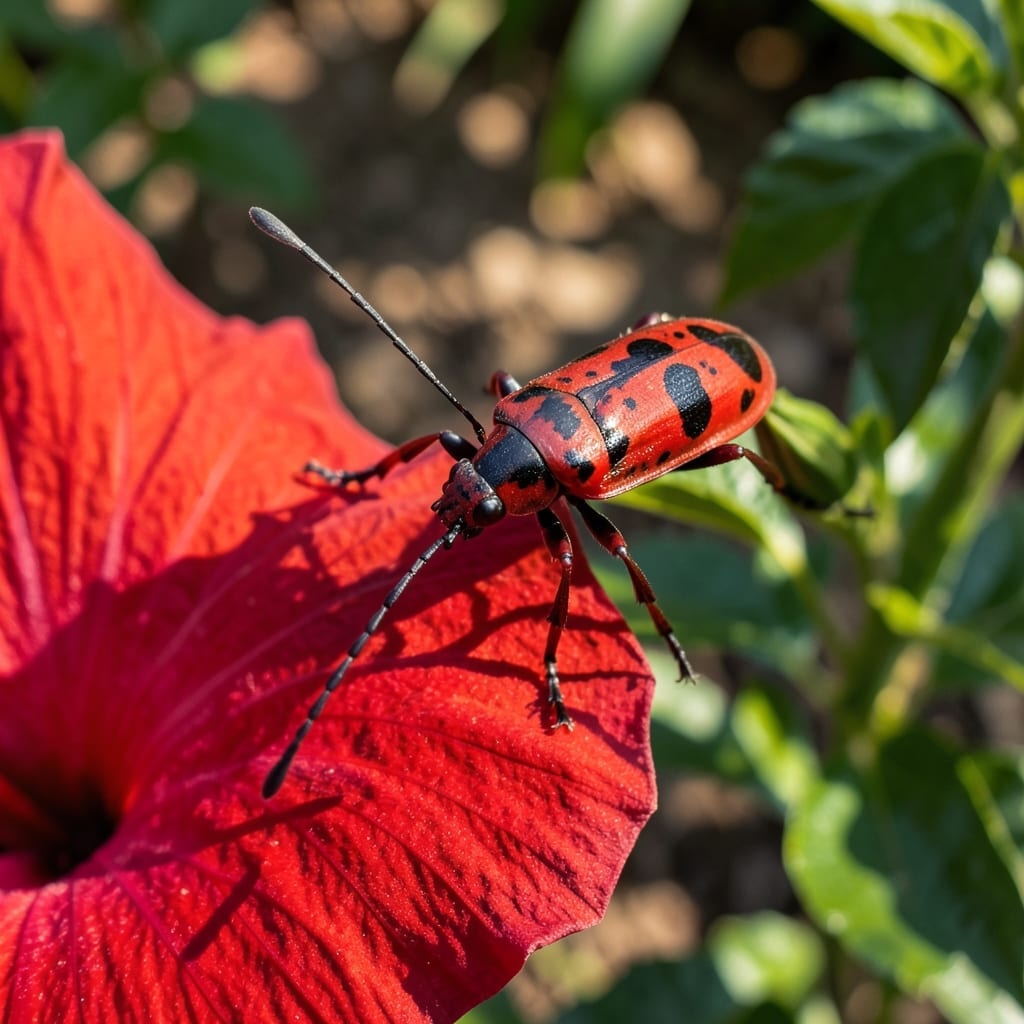
Tiny invaders can ruin your hibiscus show overnight. I spotted them on my plants last summer—buds that should’ve opened into vibrant blooms were covered in pests instead.
Identifying the culprits early is key. Aphids, thrips, and bud midges all love hibiscus, but each leaves a different mark. Look for curled leaves, sticky residue, or buds that never open.
Safe removal protects your plants without harsh chemicals. A strong spray of water dislodges many pests, while neem oil or insecticidal soap handles stubborn infestations.
Consistent checks and clean growing conditions keep them from returning. Healthy hibiscus means more blooms and fewer headaches.
Bugs on hibiscus buds are often a sign of underlying environmental or plant health issues. Here’s why they appear, broken down by the most common causes:
Excess moisture creates a breeding ground for pests like aphids and scale insects. Hibiscus plants thrive in well-draining soil, and soggy roots stress the plant, making buds more susceptible to infestation. Action: Check soil moisture before watering and ensure pots have drainage holes.
Dense foliage or crowded planting traps humidity, attracting thrips and whiteflies. These pests target buds in stagnant air. Action: Prune overgrown branches and space plants at least 2–3 feet apart to improve airflow.
Over-fertilizing with nitrogen promotes lush leaves but weak buds, drawing mealybugs and spider mites. Conversely, phosphorus deficiency weakens buds, making them easy targets. Action: Use a balanced fertilizer (10-10-10) and avoid excessive nitrogen.
Heatwaves or sudden cold snaps stress hibiscus, reducing their natural pest resistance. Stressed buds emit volatile compounds that attract pests like Japanese beetles. Action: Provide afternoon shade in summer and mulch to regulate soil temperature.
Pests often migrate from neighboring plants or untreated garden debris. Hibiscus buds are especially vulnerable to ants farming aphids for honeydew. Action: Inspect surrounding plants and remove fallen leaves or weeds that harbor pests.
Dealing with pests on your hibiscus can feel frustrating, but these targeted solutions will help restore your plant’s health and beauty. Below are practical fixes for common causes, paired with prevention tips to keep bugs at bay.
Mix 1 teaspoon of mild dish soap with 1 quart of water and spray directly onto the buds and leaves. The soap disrupts the pests’ protective coatings, causing them to dehydrate. Prevention tip: 💡 Encourage natural predators like ladybugs by planting companion flowers nearby.
Dilute 1 tablespoon of neem oil in 1 gallon of water and apply evenly to affected areas. Neem oil smothers mites and disrupts their life cycle. Prevention tip: 🌡️ Avoid overhead watering—mites thrive in dry, dusty conditions. Keep foliage clean with a gentle mist.
Wipe down stems and buds with a vinegar-water solution (1:1 ratio) to erase pheromone trails. Ants often protect aphids for their honeydew, so breaking this cycle helps. Prevention tip: ✨ Apply sticky barriers (like Tanglefoot) around the base of the plant to block ants.
Let the top 1-2 inches of soil dry completely between waterings. Fungal gnats lay eggs in damp soil, so reducing moisture starves them out. Prevention tip: 🎯 Use a layer of sand or gravel on the soil surface to deter egg-laying.
Pro tip: Always test sprays on a small area first to avoid damaging delicate hibiscus blooms. With consistent care, your plant will bounce back! 🌸
Aphids appear as tiny green or black dots, while thrips look like slender dark streaks. Mealybugs resemble white cottony clumps on buds.
Bud tissue is tender and nutrient-rich, making it a prime food source for pests. Stressed plants also emit scents that attract insects.
Inspect buds and leaves weekly during growing season. Early detection prevents infestations from spreading.
Yes! A soapy water spray or neem oil works well. Always test on a small area first to avoid plant damage.