
Beautiful Plants For Your Interior
Beautiful Plants For Your Interior
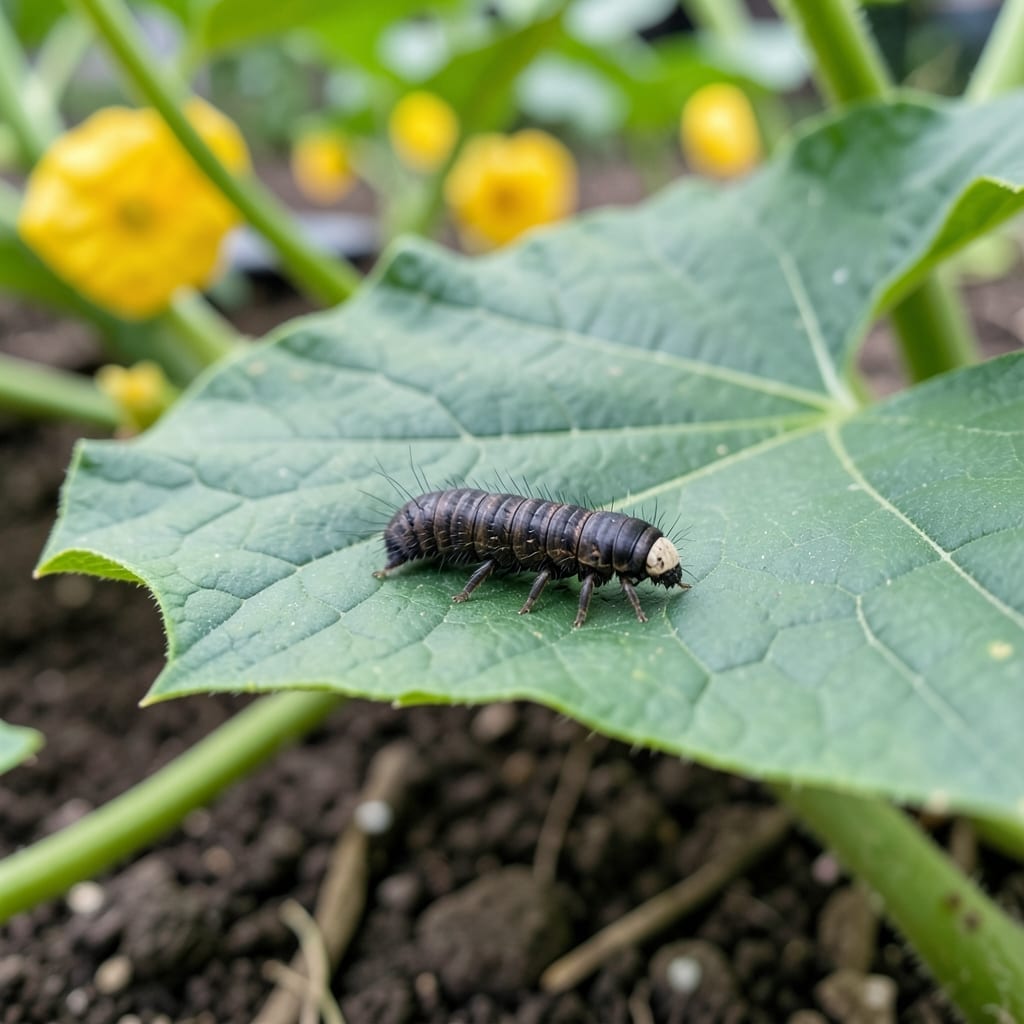
I lost my entire zucchini crop to squash vine borers last summer. Bt changed everything—this organic treatment stops larvae before they tunnel into your vines.
You apply it at the base of plants when you first spot eggs or adult moths. The bacteria targets only caterpillars, leaving beneficial insects untouched. It works best as a preventative measure.
Within 48 hours, the larvae stop feeding and die. Your plants recover quickly, and you avoid the heartbreak of wilting vines overnight.
Works for all squash varieties, plus cucumbers and melons. Timing is everything with this method.
The squash vine borer (Melittia cucurbitae) is a persistent garden pest that targets cucurbit plants like squash, pumpkins, and zucchini. Understanding why it appears helps you prevent and manage infestations effectively. Below are the primary causes behind its presence and activity.
Squash vine borers are highly specialized feeders, drawn to cucurbit plants. These plants release volatile organic compounds (VOCs) that act as chemical signals, luring adult moths to lay eggs at the base of stems. Cucumbers, melons, and gourds are also at risk, but squash varieties are the most susceptible due to their thick, tender stems—perfect for larval development.
The life cycle of the squash vine borer thrives in warm weather. Adult moths emerge in late spring to early summer, coinciding with the peak growth of cucurbit plants. Temperatures between 70–90°F (21–32°C) accelerate egg hatching and larval feeding. In regions with long growing seasons, a second generation may appear in late summer, compounding the damage.
After feeding, larvae pupate and overwinter in the soil near the previous year’s cucurbit plants. If garden debris (like old vines or mulch) is left unremoved, it provides shelter for pupae to survive winter. Tilling the soil in fall or early spring can disrupt this cycle, but untreated areas remain hotspots for reinfestation.
Squash vine borers have few natural predators, allowing populations to grow unchecked. Parasitic wasps (e.g., Trichogramma) and ground beetles may target eggs or young larvae, but their impact is often limited. Without a robust ecosystem of beneficial insects, borers face minimal resistance, leading to widespread damage.
Dealing with squash vine borers can be frustrating, but Bacillus thuringiensis (Bt) and other targeted methods can help you reclaim your garden. Below are practical solutions to tackle this pest, along with prevention tips to keep your squash plants thriving.
If you spot the first signs of squash vine borer activity—such as wilting vines or small entry holes—act fast. Bt (Bacillus thuringiensis var. kurstaki) is a natural, organic bacteria that targets young larvae before they burrow deep into the stems.
For plants already under attack, a hands-on approach can save them. If you see frass (sawdust-like waste) or oozing stems:
Stop squash vine borers before they start with these proactive measures:
By combining Bt treatments with vigilant prevention, you can protect your squash plants and enjoy a healthy harvest. ✨
Reapply every 5–7 days during active moth flight, typically late spring to early summer. Always reapply after rain, as it washes away easily. Consistency is key for protection.
No, it specifically targets caterpillars like vine borer larvae. Bees, ladybugs, and other beneficials remain unharmed. It’s a safe, organic solution for your garden ecosystem.
Apply in the evening or early morning when moths are active. Focus on the base of plants and stems where eggs are laid. Early detection boosts effectiveness.
Yes, it works on cucumbers, melons, and pumpkins too. All cucurbits are vulnerable to vine borers, so treat them preventatively. Follow the same application guidelines.