
Beautiful Plants For Your Interior
Beautiful Plants For Your Interior
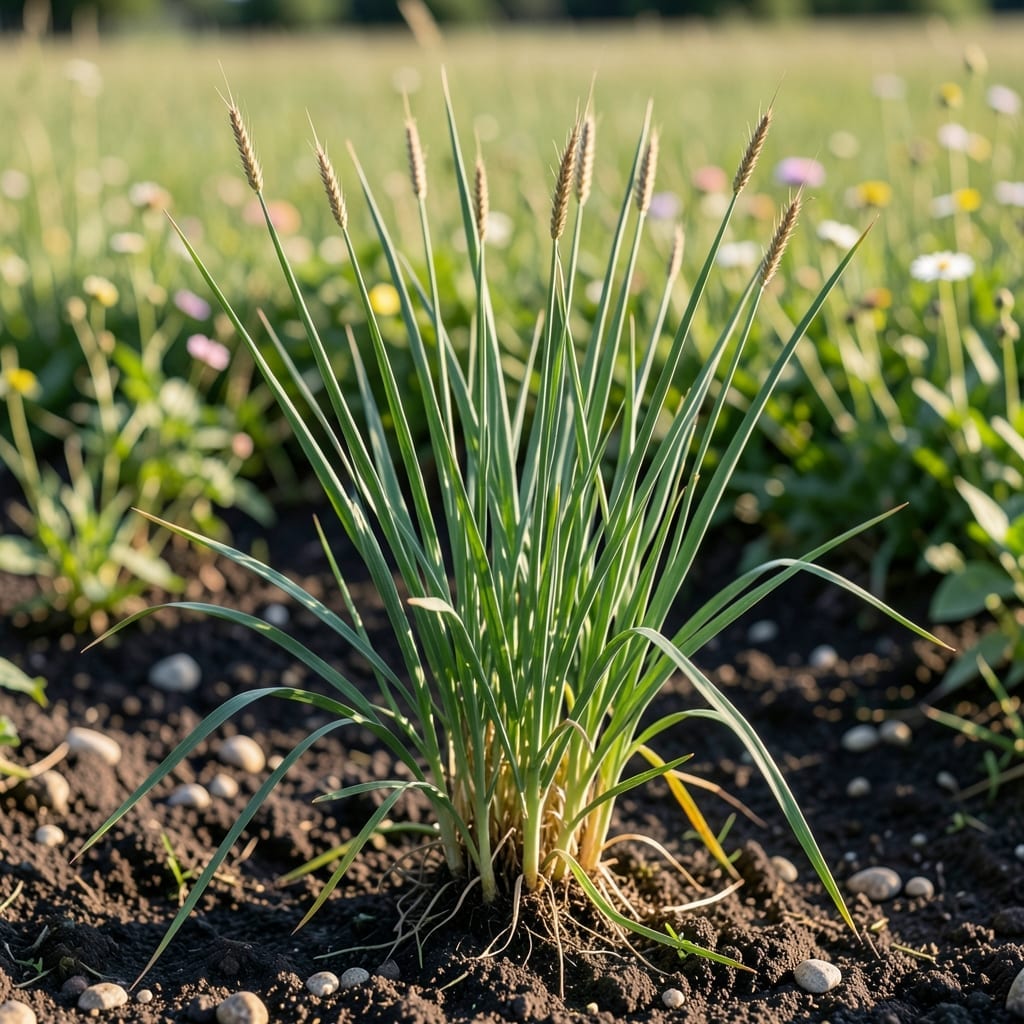
Brown tips on barley grass always signal something’s off. I’ve seen this issue in my own lawn, and it usually comes down to water or nutrients—not enough, too much, or the wrong kind.
Water stress is the most common culprit, whether from drought or overwatering. The roots suffocate or dry out, and the tips turn brown first. Check your soil moisture 2 inches down to confirm.
Nutrient imbalances, especially nitrogen or potassium deficiencies, show up the same way. A soil test can pinpoint what’s missing, but yellowing lower leaves often point to nitrogen.
Once you identify the cause, the fix is straightforward. Adjust your watering schedule or amend the soil, and you’ll see new, healthy green growth within 2-3 weeks.
Brown tips on barley grass often signal underlying stress or care issues. Here are the most common causes, explained with actionable insights:
Barley grass thrives in consistent moisture, but both drought and waterlogging can turn tips brown. Overwatering suffocates roots, reducing oxygen uptake and nutrient transport. Underwatering triggers drought stress, halting cell expansion and leading to necrosis at the tips. Fix: Water when the top inch of soil is dry, ensuring good drainage.
Brown tips often point to potassium (K) or magnesium (Mg) deficiencies. Potassium supports water regulation and enzyme function; low levels cause scorched edges. Magnesium, central to chlorophyll production, leads to interveinal chlorosis followed by browning. Fix: Test soil and amend with __PROTECT_0 (potassium sulfate) or PROTECT_1__ (for Mg).
Heat stress (>90°F) or cold snaps (<40°F) disrupt cellular processes, causing tip burn. High salinity from poor-quality water or over-fertilization also pulls water out of roots, mimicking drought. Fix: Use shade cloth in summer, avoid late-season fertilizing, and flush soil to reduce salt buildup.
Pathogens like Bipolaris sorokiniana (spot blotch) or Fusarium thrive in wet, humid conditions, causing lesions that turn brown. Overhead watering spreads spores. Fix: Improve airflow, water at the base, and apply copper fungicide preventatively.
Here’s how to tackle brown tips on barley grass based on the most common causes, with simple fixes and prevention tips to keep your crop thriving.
Barley grass needs consistent moisture—not too much, not too little. If the soil is bone-dry, water deeply to rehydrate the roots. If it’s soggy, let it dry out slightly before watering again. Prevention tip: Stick your finger 1 inch into the soil—if it’s dry, it’s time to water. Use a moisture meter for precision. 💡
Yellowing or brown tips often signal a lack of nitrogen, potassium, or magnesium. Test your soil with a home kit or send a sample to a lab. For a quick fix, apply a balanced fertilizer (10-10-10) or organic options like compost or seaweed extract. Prevention tip: Amend soil with compost before planting and fertilize lightly every 4-6 weeks. ✨
If tips brown during hot spells, your barley grass may be scorched. Shield it with shade cloth during peak sun (10 AM–4 PM) or apply a 2-inch layer of mulch to retain moisture and cool roots. Prevention tip: Plant in partial shade if you live in a hot climate. 🌡️
Aphids, mites, or fungal diseases can cause browning. Spray with neem oil or insecticidal soap for pests. For fungi, use a copper-based fungicide and remove affected leaves. Prevention tip: Inspect plants weekly and keep the area free of debris to discourage pests. 🎯
With these targeted fixes, your barley grass should bounce back—greener and healthier in no time!
Check soil 2 inches deep. Dry soil means underwatering, while soggy or smelly soil signals overwatering. Adjust accordingly.
Use a balanced 10-10-10 fertilizer or compost tea for a quick nutrient boost. Test soil for long-term solutions.
No, but new healthy growth will replace them in 2-3 weeks once the underlying issue is fixed. Trim dead tips to redirect energy.
Increase frequency slightly but avoid waterlogging. Use mulch to retain moisture and shield plants during peak sun.