
Beautiful Plants For Your Interior
Beautiful Plants For Your Interior
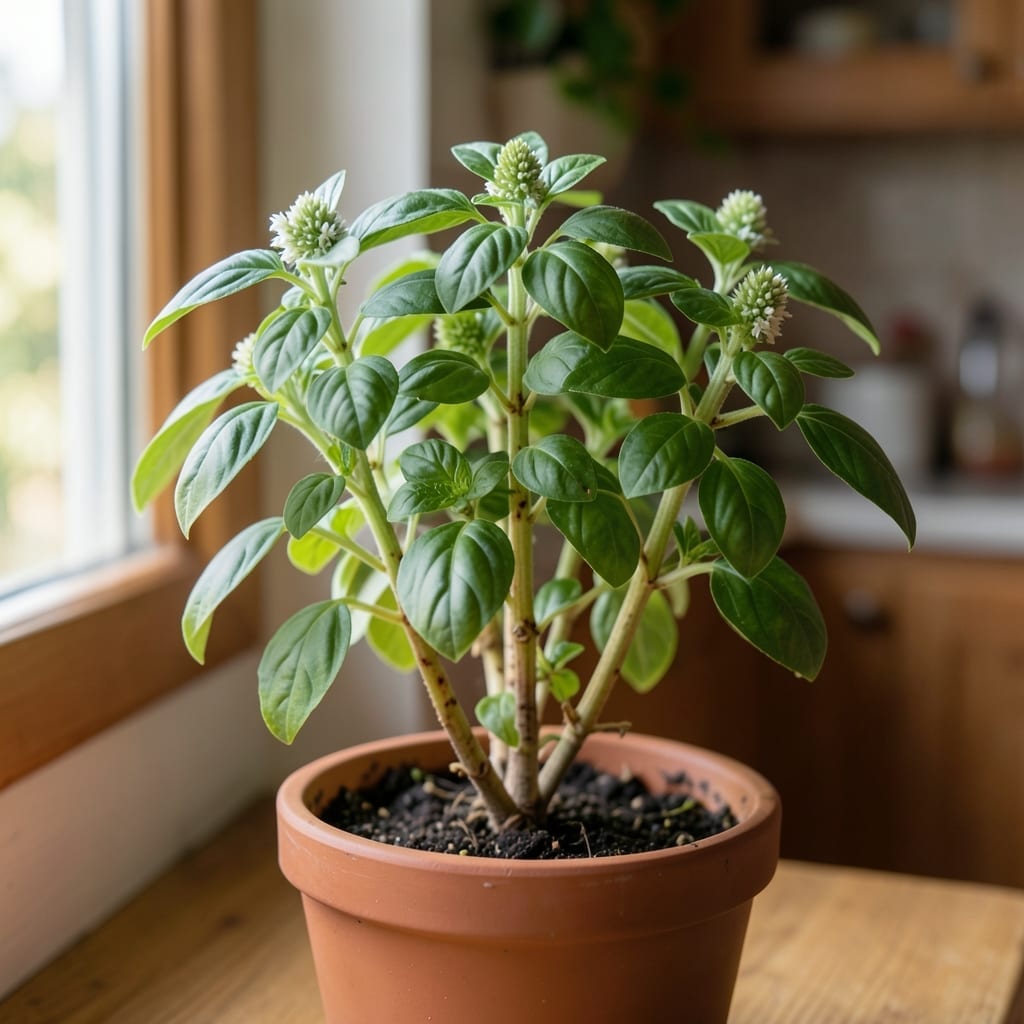
Basil with brown stems is a gardener’s warning sign. I’ve seen this happen to my own plants, and it’s always a race against time to save them before the damage spreads.
Usually, it’s not just one problem—overwatering, poor drainage, or a sneaky fungal issue often team up to turn those green stems brown. The good news? Most cases are fixable with quick action and simple adjustments.
You’ll need to diagnose the root cause first, then apply the right organic treatment. Most plants bounce back within 2-3 weeks if you catch it early.
Works for potted basil, garden beds, or indoor setups. Here’s how to turn it around.
Basil stems turn brown due to several environmental and care-related stressors. Below are the primary causes, explained with actionable insights.
Excess moisture suffocates roots, leading to root rot. Fungi like Phytophthora thrive in waterlogged soil, blocking nutrient uptake. Stems brown as tissues decay. Fix: Use well-draining soil and pots with drainage holes. Water only when the top inch of soil is dry.
Dry soil forces basil to conserve water, causing stems to wither and brown. High temperatures (>90°F) accelerate moisture loss. Fix: Maintain consistent moisture (not soggy) and provide afternoon shade in hot climates.
Pathogens like Fusarium or Pseudomonas invade stressed plants, causing vascular blockages. Stems turn brown as tissues die from lack of water/nutrients. Fix: Remove infected plants, avoid overhead watering, and apply copper-based fungicides preventatively.
Lack of magnesium or calcium disrupts cell structure, leading to brown, brittle stems. Over-fertilization (especially nitrogen-heavy) can also burn roots. Fix: Use balanced organic fertilizer (e.g., 5-5-5) and test soil pH (ideal: 6.0–7.0).
Sap-sucking pests (e.g., aphids, spider mites) weaken stems, making them prone to browning. Their wounds also invite fungal infections. Fix: Spray with neem oil or insecticidal soap; introduce beneficial insects like ladybugs.
Here’s how to tackle brown stems on basil based on the root cause, with simple, organic fixes and prevention tips to keep your plant thriving.
Fix: Stop watering immediately and let the soil dry out. Repot the basil in fresh, well-draining potting mix if the roots are soggy or rotting. Trim any black, mushy roots with clean scissors. Water only when the top inch of soil feels dry.
Prevention: Use pots with drainage holes and a mix of potting soil and perlite. Stick your finger in the soil before watering—if it’s damp, wait! 💡
Fix: Give your basil a deep drink until water runs out the drainage holes. Mist the leaves or place a tray of water near the plant to boost humidity. For severely dry stems, trim the brown parts and keep the soil consistently moist (not soaked).
Prevention: Check soil moisture every 2–3 days. Group basil with other plants to create a humid microclimate, or use a pebble tray. ✨
Fix: Move your basil to a spot with bright, indirect light (e.g., east-facing window or under a sheer curtain). If growing outdoors, provide afternoon shade. Trim crispy brown stems to encourage new growth.
Prevention: Basil loves warmth but hates scorching. Aim for 6–8 hours of gentle sunlight daily. In extreme heat, mulch the soil to retain moisture. 🌿
Fix: Remove affected stems and leaves with sterilized pruners. Treat with a copper-based fungicide or a DIY spray (1 tsp baking soda + 1 quart water + a drop of dish soap). Improve airflow by spacing plants and avoiding overhead watering.
Prevention: Water at the base of the plant and keep leaves dry. Rotate pots for even air circulation. 🎯
Fix: Feed your basil with a balanced, water-soluble fertilizer (10-10-10) or compost tea every 2–4 weeks. Yellowing leaves with brown stems often signal a lack of nitrogen or magnesium.
Prevention: Use nutrient-rich soil at planting and top-dress with compost monthly. Avoid over-fertilizing—less is more! 🌱
Avoid eating basil with brown stems, as it may indicate disease or decay. If only the stems are affected and leaves look healthy, you can use the leaves after thorough washing.
With proper care, basil typically shows improvement in 1-2 weeks. Full recovery may take 3-4 weeks, depending on the severity of the issue and how quickly you address it.
If the entire stem is brown and brittle, the plant may be beyond saving. However, if some green remains, trim the brown parts and repot in fresh soil. New growth may still emerge.
Water deeply when the top 1 inch of soil feels dry. Always use pots with drainage holes and empty saucers after watering to avoid root rot.