
Beautiful Plants For Your Interior
Beautiful Plants For Your Interior
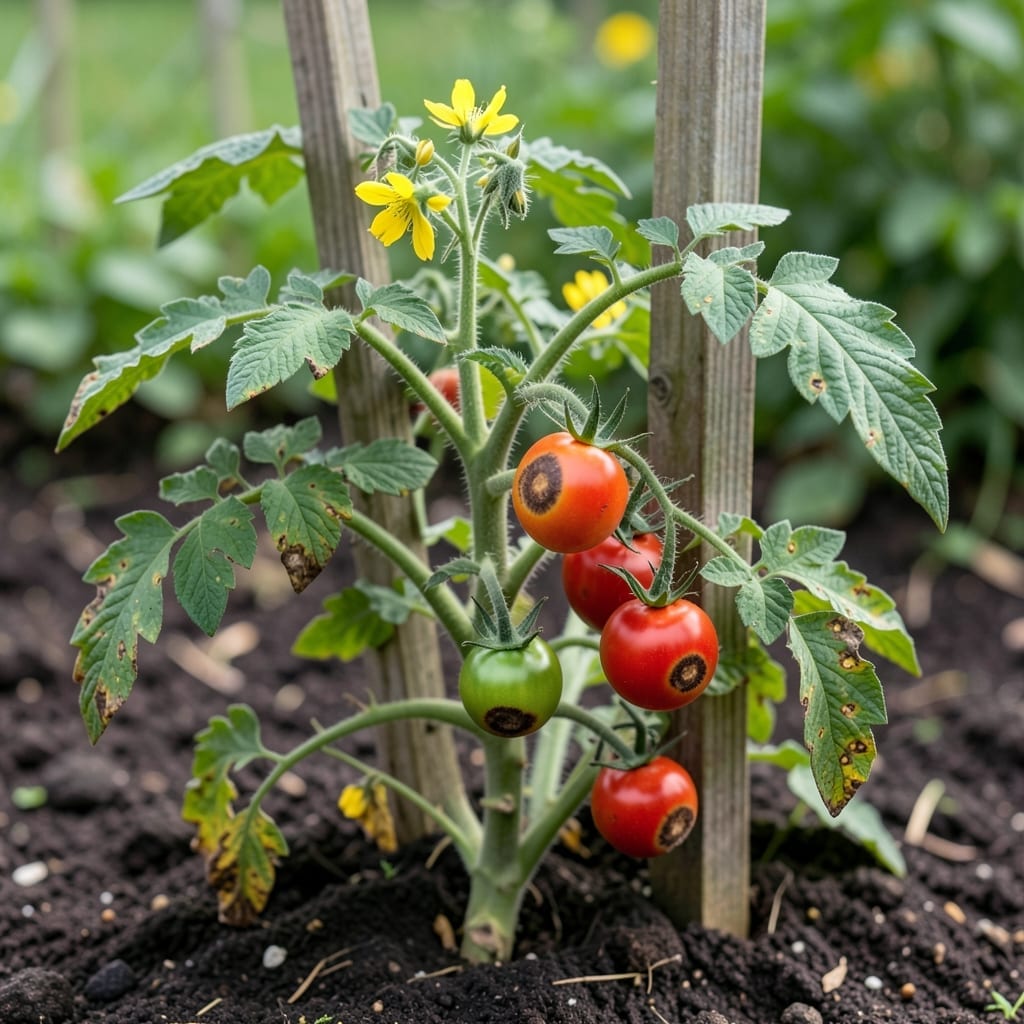
Nothing ruins a tomato harvest like mysterious brown spots. I’ve lost entire crops to this, and it turned out to be a combination of watering inconsistencies and fungal spores hiding in my soil.
Early blight shows up as concentric rings on lower leaves, while blossom end rot hits the fruit first. Both spread fast in hot, humid weather, but the fixes are simple once you know what you’re dealing with.
I fixed mine with copper fungicide, consistent watering, and better air circulation. The plants bounced back within 2 weeks, and I haven’t seen those spots since.
Works for container tomatoes too—just watch your watering schedule and remove affected leaves immediately.
Brown spots on tomatoes often stem from a mix of environmental stressors, diseases, or nutrient imbalances. Here’s a breakdown of the most common causes and the science behind them:
The fungus Alternaria solani thrives in warm, wet conditions, causing concentric brown rings on leaves and fruit. It spreads via spores in soil or water, entering through wounds or weakened tissue. Overhead watering or poor air circulation accelerates its growth.
This physiological disorder appears as sunken, leathery brown spots on the blossom end of tomatoes. It occurs when calcium uptake is disrupted by uneven watering (drought followed by heavy rain) or soil pH imbalances (too acidic or alkaline). Calcium is immobile in the plant, so new growth suffers first.
Extreme heat or cold can trigger cellular damage, leading to brown patches. Temperatures above 90°F (32°C) or below 50°F (10°C) disrupt nutrient transport. Additionally, excessive sunlight (sunscald) can bleach and burn fruit surfaces, creating dry, brown lesions.
Potassium or magnesium deficiencies manifest as brown or yellowish spots on leaves and fruit. Potassium aids in disease resistance and water regulation, while magnesium is critical for photosynthesis. Sandy or waterlogged soils often lack these nutrients.
Insects like stink bugs or spider mites pierce tomato skins, creating entry points for pathogens. Their feeding causes localized browning or corky spots. Check undersides of leaves for pests or their eggs.
Identifying the root cause is key to targeted solutions—whether adjusting watering, improving soil health, or applying fungicides.
Tackling brown spots on tomatoes starts with identifying the cause and applying the right fix. Here’s a practical guide to resolving common issues:
Fix: Remove affected leaves immediately to prevent spread. Apply a copper-based fungicide or a homemade baking soda spray (1 tbsp baking soda, 1 tsp dish soap, 1 gallon water).
Prevention: Rotate crops yearly, avoid overhead watering, and ensure good airflow between plants. Mulch with straw to reduce soil splash.
Fix: Correct calcium deficiency by adding crushed eggshells or a calcium-rich fertilizer to the soil. Water consistently to maintain even moisture levels.
Prevention: Test soil before planting and amend with lime if calcium is low. Avoid high-nitrogen fertilizers that can block calcium uptake.
Fix: Handpick pests like stink bugs or use insecticidal soap. For severe infestations, introduce beneficial insects like ladybugs.
Prevention: Inspect plants regularly and use row covers to protect young plants from pests.
Fix: Adjust watering schedules—avoid both drought and waterlogging. Provide shade cloth during extreme heat.
Prevention: Use drip irrigation for consistent moisture and mulch to retain soil temperature. Monitor weather forecasts to preempt stress.
Pro Tip: 💡 Always sterilize gardening tools to prevent spreading diseases between plants. Healthy soil and proper spacing are your best defenses!
No, they can also come from uneven watering or nutrient shortages. Blossom end rot, for example, is purely environmental and fixable with consistent moisture and calcium.
Fungal issues like early blight can spread within days in wet conditions. Isolate affected plants and remove spotted leaves immediately to contain it.
Only if the issue is blossom end rot or sunscald. Discard moldy or pest-damaged fruit. Cut away small affected areas and wash thoroughly before eating.
Improve air circulation by pruning dense foliage and switch to drip irrigation. Apply copper fungicide at first signs of fungal infection for immediate protection.