
Beautiful Plants For Your Interior
Beautiful Plants For Your Interior
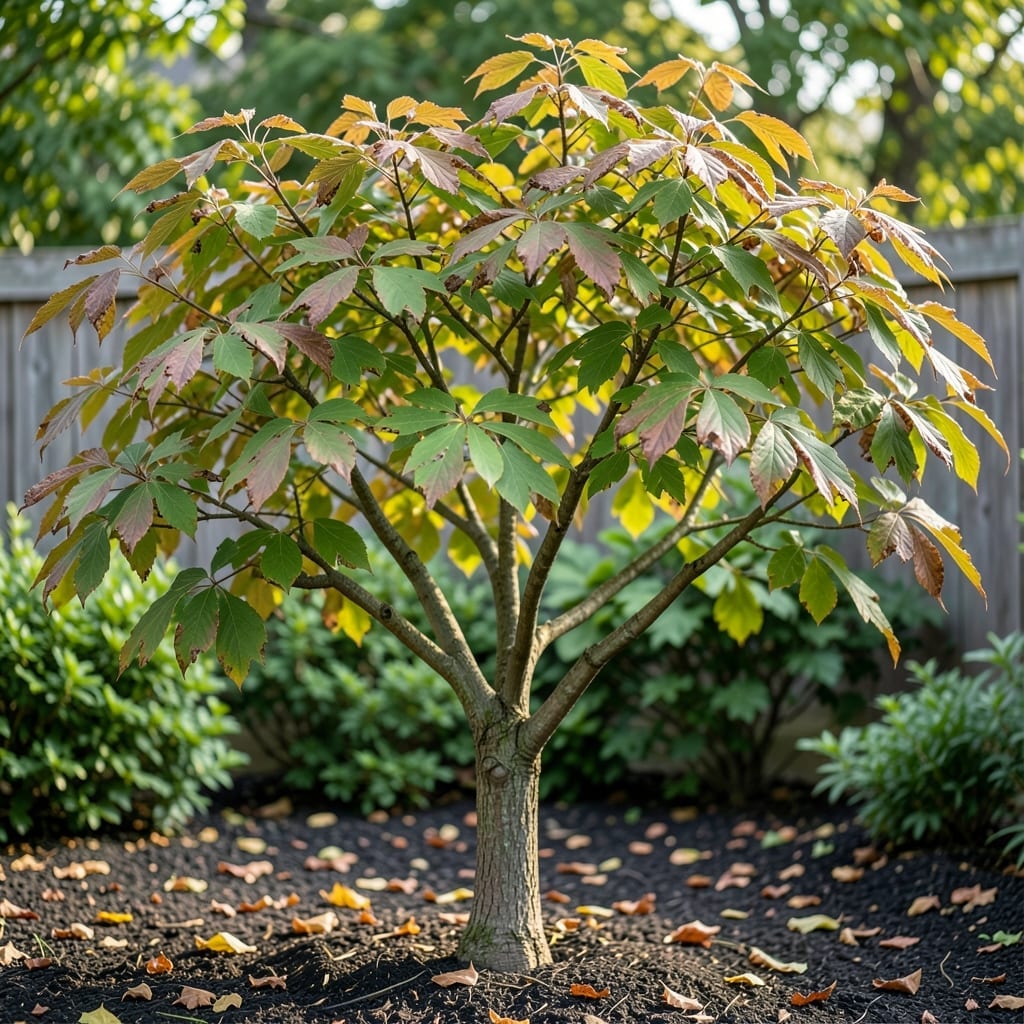
Brown leaf tips on your dogwood aren’t just unsightly—they’re a distress signal. I’ve seen this with my own trees, and the culprit is usually one of three things: water stress, nutrient shortages, or environmental shock.
The fix starts with checking soil moisture 2 inches down. If it’s bone dry or soggy, adjust your watering. Next, look at those leaves—yellowing with brown tips often points to potassium or magnesium deficiency, while crisp edges suggest salt burn from fertilizers.
Once you’ve narrowed it down, targeted solutions work fast. A balanced fertilizer or soil amendment can turn things around in 2-3 weeks. The key is acting before the damage spreads to the whole canopy.
Prevention is simpler than cure. Mulch to retain moisture, test your soil annually, and avoid overhead watering. Your dogwood will thank you with vibrant, healthy foliage all season long.
Brown leaf tips on dogwood trees are a distress signal, often tied to specific environmental or care-related factors. Below are the most common causes, each with actionable insights to help you diagnose the issue.
Dogwoods thrive in consistently moist but well-drained soil. Too little water leads to dehydration, while too much suffocates roots and blocks nutrient uptake. Symptoms: Tips turn crispy brown (underwatering) or yellow-brown with wilting (overwatering). Check soil moisture 2 inches deep—dryness or sogginess confirms the issue.
A lack of magnesium or potassium often manifests as browning leaf edges. Magnesium deficiency starts with yellowing between veins, while potassium shortages cause scorched, brittle tips. Test soil pH (ideal: 6.0–6.5); imbalances can lock out these nutrients even if present.
Dogwoods prefer partial shade. Full sun exposure, especially in hot climates, can scorch leaf tips. Similarly, cold drafts or late frosts damage new growth. Solution: Plant in dappled shade or use shade cloth during peak summer heat.
Anthracnose and leaf spot fungi thrive in wet conditions, causing brown or purple-tinged leaf tips. Look for irregular spots or a “burnt” appearance. Improve air circulation, avoid overhead watering, and apply copper-based fungicides preventatively.
Addressing brown leaf tips on your dogwood tree starts with identifying the root cause. Below are targeted fixes for the most common issues, along with prevention tips to keep your tree thriving.
Fix: Adjust your watering routine. If the soil is dry, water deeply (1–2 inches per week) at the base of the tree, avoiding the leaves. For overwatering, let the soil dry out slightly between waterings and improve drainage by amending heavy clay soil with compost.
Prevention: Use a moisture meter to monitor soil conditions. Mulch around the base (2–3 inches deep, keeping it 6 inches away from the trunk) to retain moisture and regulate temperature. 💡
Fix: Test your soil to confirm deficiencies. For magnesium or potassium shortages, apply Epsom salt (1 tablespoon per gallon of water) or a balanced fertilizer (10-10-10) respectively. Iron deficiency? Use chelated iron or lower soil pH (5.5–6.5) with sulfur.
Prevention: Fertilize annually in early spring with a slow-release, dogwood-specific formula. Avoid high-nitrogen fertilizers, which can worsen imbalances. ✨
Fix: Shield the tree from extreme conditions. If leaf scorch (from heat/drought) is the culprit, provide afternoon shade with a shade cloth or plant companions. For winter burn, wrap young trees in burlap and water deeply before the first frost.
Prevention: Plant dogwoods in partial shade (4–6 hours of morning sun) and sheltered spots to minimize stress. 🌳
Fix: Inspect leaves for pests like aphids or scale (use neem oil or insecticidal soap). For fungal diseases (e.g., anthracnose), remove infected leaves, improve air circulation, and apply a fungicide like copper sulfate.
Prevention: Prune in late winter to remove dead wood and thin crowded branches. Clean up fallen debris to reduce disease spread. 🎯
Regular care and quick action will restore your dogwood’s vibrant leaves and prevent future browning!
Water deeply 1-2 times per week, providing 1-2 inches total. Check soil 2 inches down—if dry, water more; if soggy, reduce frequency. Mulching helps retain moisture.
Yes! Dogwoods prefer partial shade. Full sun in hot climates can scorch leaf tips. Use shade cloth or plant in dappled sunlight to prevent stress.
Use a slow-release, balanced fertilizer (like 10-10-10) in early spring. Avoid high-nitrogen options, which can worsen nutrient imbalances.
Improve air circulation, remove infected leaves, and apply copper-based fungicides. Avoid overhead watering to prevent future outbreaks.