
Beautiful Plants For Your Interior
Beautiful Plants For Your Interior
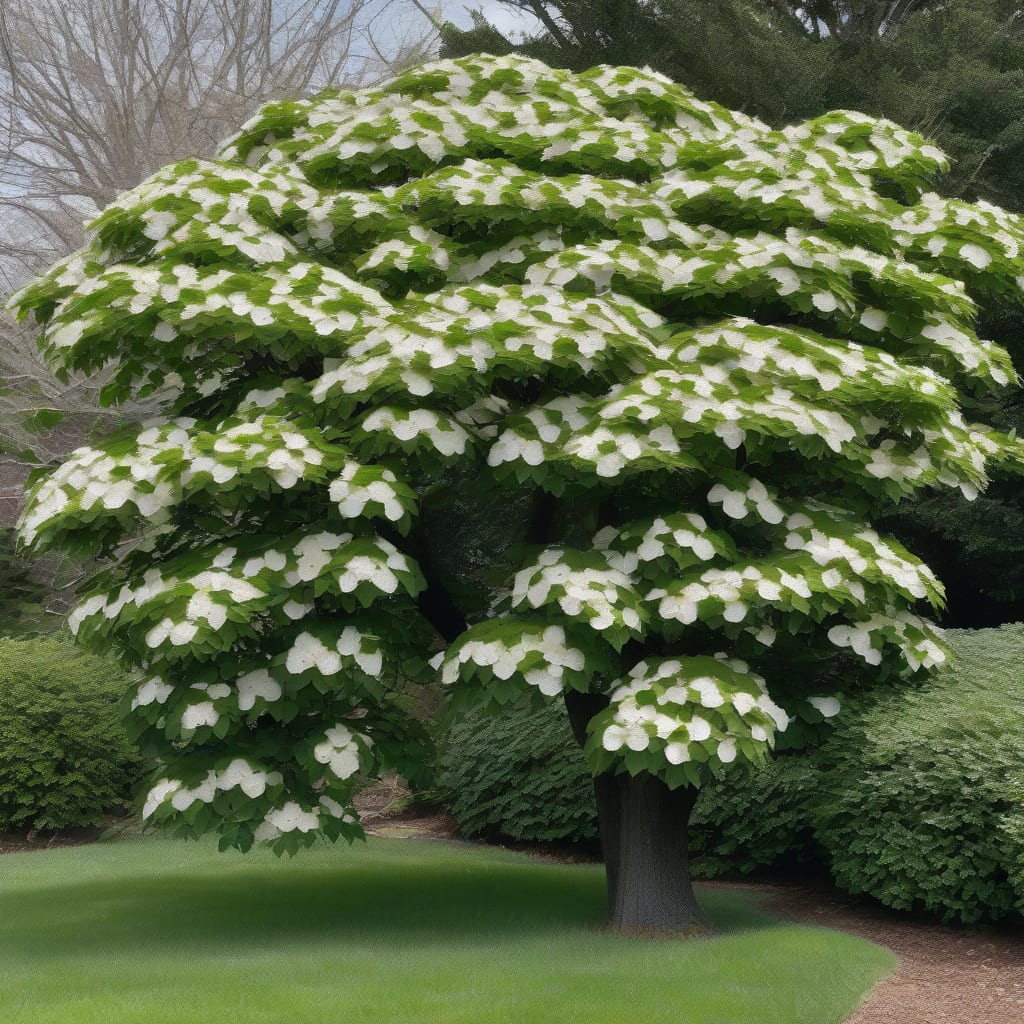
I’ve always been fascinated by the Dogwood Tree 🌳, known for its stunning spring flowers and vibrant fall colors. Understanding how tall these beautiful trees can grow is essential for proper landscaping and care.
Dogwood trees typically grow between 15-30 feet tall, depending on the variety and growing conditions. Factors such as soil quality, sunlight, and watering practices can significantly impact their height. Let’s explore what you need to know to help your Dogwood tree reach its full potential.
I’ve always been fascinated by the growth potential of Dogwood Trees 🌳. Understanding how tall these beautiful trees can grow is essential for proper landscaping and care. The height of Dogwood trees can vary significantly based on the species and growing conditions.
Dogwood trees typically grow between 15-30 feet tall. Factors such as soil quality, sunlight, and watering practices can significantly impact their height. Let’s explore what you need to know to help your Dogwood tree reach its full potential 🌟.
The Flowering Dogwood is one of the most common varieties, typically reaching heights of 15-20 feet. The Kousa Dogwood can grow slightly taller, up to 20-30 feet, making it a great choice for those looking for a bit more height 🌲.
Soil quality plays a crucial role in determining the height of your Dogwood tree. Well-draining soil with adequate moisture is ideal. Additionally, Dogwood trees prefer partial shade to full sun, requiring at least 4-6 hours of direct sunlight daily ☀️.
Watering practices are also vital. Consistent moisture, especially during the first year, helps establish a strong root system. However, it’s essential to avoid overwatering, which can lead to root rot and stunted growth 💧.
Pruning is another factor that can influence the height of your Dogwood tree. Proper pruning techniques can help maintain a desired height and promote healthy growth. Prune your Dogwood tree during its dormant season to minimize stress 🌿.
Different species of Dogwood trees have varying growth habits. For example, the Cornelian Cherry Dogwood tends to be more compact, while the Kousa Dogwood can spread wider. Understanding these differences is key to choosing the right tree for your space 🏠.
When planting a Dogwood tree, consider its mature size to ensure it has enough space to grow. A tree that is too crowded may not reach its full height and can become stressed due to competition for resources 🌳.
In summary, the height of Dogwood trees can vary based on several factors, including species, soil quality, sunlight, watering, and pruning practices. By understanding these factors, you can help your Dogwood tree achieve its maximum height and thrive in your landscape 🌟.
For more specific guidance on caring for your Dogwood tree, consider consulting with a local horticulturist or gardening expert. They can provide tailored advice based on your specific climate and soil conditions 📚.
By providing the right conditions and care, your Dogwood tree can become a stunning focal point in your garden, offering beauty throughout the seasons 🌼.
I’ve found that understanding the factors that influence Dogwood tree height is crucial for optimal growth. The height of these beautiful trees can be affected by several key elements 🌳.
Soil conditions play a significant role in determining Dogwood tree height. Well-draining soil with adequate moisture is essential for healthy growth. Dogwood trees prefer slightly acidic soil with a pH between 6.0-7.0 🌿.
By understanding and managing these factors, you can help your Dogwood tree reach its full potential height. Regular monitoring and adjustments to these conditions can make a significant difference in the tree’s overall health and growth 🌟.
Proper care is essential for maximizing Dogwood tree height. This includes regular fertilization during the growing season and protecting the tree from pests and diseases 🌼.
In my experience, Dogwood trees that receive proper care and are grown in optimal conditions can thrive and reach their expected height ranges. By following these guidelines, you can enjoy the beauty of your Dogwood tree for years to come 🌳.
For more specific guidance on caring for your Dogwood tree, consider consulting with a local horticulturist or gardening expert. They can provide tailored advice based on your specific climate and soil conditions 📚.
When selecting a Dogwood tree for your garden, it’s essential to consider the mature size of the tree to ensure it fits well in your landscape 🌳. Different Dogwood species have varying growth habits, ranging from compact and dwarf varieties to standard trees that can grow quite tall.
I’ve found that understanding these differences is key to choosing the right tree for your space. Let’s explore the various Dogwood varieties and their growth characteristics to help you make an informed decision 🏠.
The Flowering Dogwood is a popular choice, known for its stunning spring flowers and vibrant fall colors. It typically grows to be 15-20 feet tall with an upright, spreading habit 🌲.
The Kousa Dogwood is another excellent option, offering a vase-shaped growth habit and reaching heights of 20-30 feet. It’s a great choice for those looking for a bit more height and a unique shape 🌳.
For smaller spaces, the Cornelian Cherry Dogwood is an excellent choice. It has a shrubby, dense growth habit and typically grows to be 15-25 feet tall, making it perfect for hedges or borders 🌿.
By considering the mature size and growth habit of different Dogwood varieties, you can choose the perfect tree for your garden, ensuring it has enough space to grow and thrive 🏠.
For more specific guidance on caring for your Dogwood tree, consider consulting with a local horticulturist or gardening expert. They can provide tailored advice based on your specific climate and soil conditions 📚.

