
Beautiful Plants For Your Interior
Beautiful Plants For Your Interior
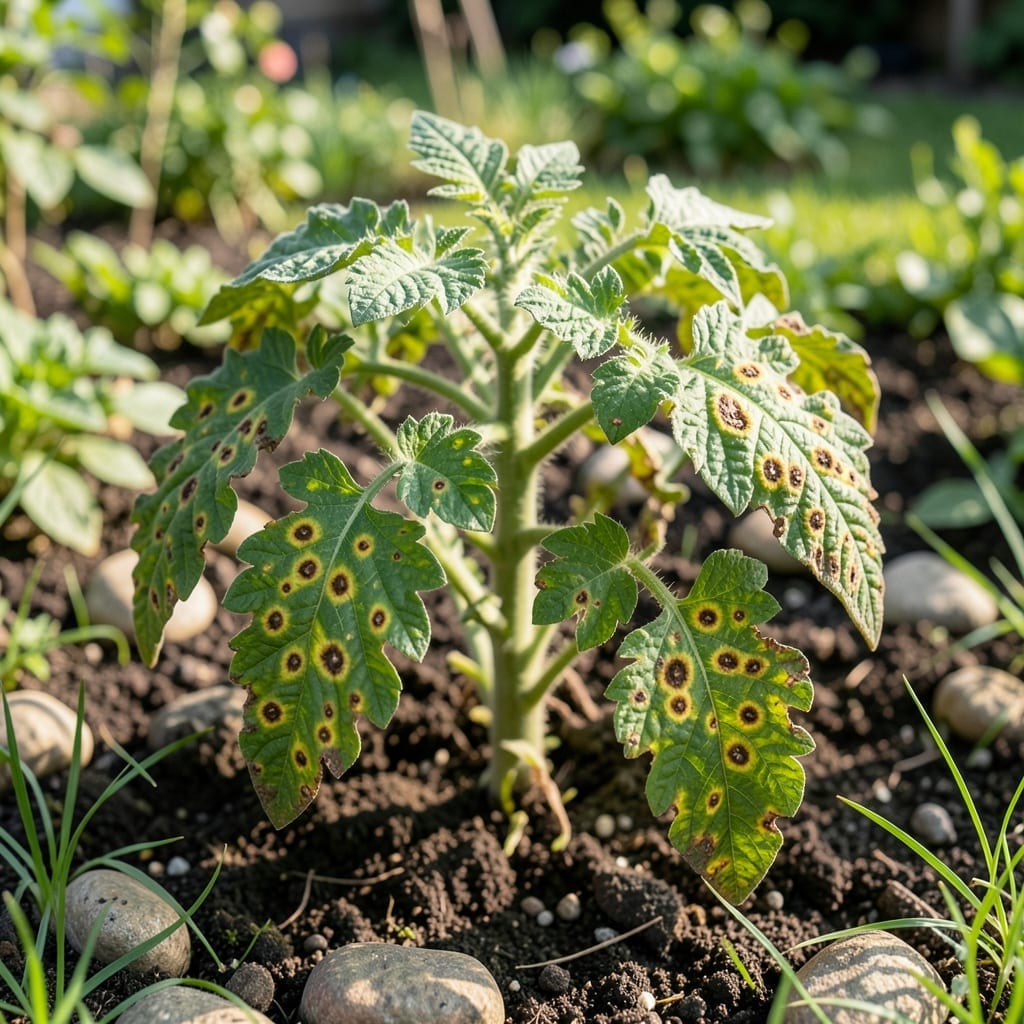
Those brown spots on your leaves aren’t just unsightly—they’re a warning sign. I’ve seen entire gardens struggle with this issue, but the good news is it’s fixable with the right approach.
This common fungal problem spreads quickly in wet conditions, hitting roses, tomatoes, and even houseplants. The key is catching it early before it weakens your plants and stunts their growth.
Natural remedies work surprisingly well here. Simple sprays and cultural changes can stop the spread without harsh chemicals, keeping your garden healthy and thriving.
Prevention is half the battle. A few adjustments to watering and air circulation make all the difference for long-term plant health.
Understanding why brown leaf spot develops is the first step to preventing it. This common plant disease is often triggered by a mix of environmental, fungal, and bacterial factors. Below are the primary causes, explained in clear, actionable terms.
Many cases stem from fungal pathogens like Alternaria, Cercospora, or Septoria. These thrive in warm, humid conditions (70–85°F) and spread via water splashes or contaminated tools. Overhead watering and poor air circulation create ideal breeding grounds.
Bacteria such as Pseudomonas syringae or Xanthomonas cause water-soaked spots that turn brown. They enter through wounds or stomata (leaf pores), often during rainy or overly wet periods. Infected plants may ooze bacteria when pressed.
Extreme heat, drought, or nutrient deficiencies (e.g., potassium or magnesium) weaken plants, making them susceptible. Over-fertilization, especially with nitrogen, can also promote tender growth that’s prone to infection.
Crowded plantings, lack of pruning, and dirty gardening tools spread pathogens. Reusing infected soil or compost without sterilization can reintroduce the problem. Always sanitize tools and rotate crops to break disease cycles.
Dealing with brown leaf spot doesn’t have to mean the end for your plants. Here’s how to tackle the issue based on common causes, along with prevention tips to keep your garden thriving.
Fix: Adjust your watering schedule to allow the soil to dry slightly between waterings. Ensure pots have drainage holes, and use well-draining soil. If the problem persists, consider repotting plants in fresh, sterile soil.
Prevention: Water in the morning so leaves have time to dry, reducing moisture buildup. Use a moisture meter to avoid guesswork.
Fix: Remove and dispose of infected leaves to prevent spread. Apply a natural fungicide like neem oil or a baking soda solution (1 tsp baking soda + 1 quart water + a few drops of dish soap). Spray every 7–10 days until the issue clears.
Prevention: Space plants properly for airflow, and avoid overhead watering. Clean garden tools regularly with rubbing alcohol.
Fix: Move potted plants to a spot with indirect light and stable temperatures. For outdoor plants, provide shade during peak heat or use mulch to retain soil moisture.
Prevention: Monitor weather conditions and adjust care routines seasonally. Group plants with similar needs together.
Fix: Test your soil to identify deficiencies. Amend with organic matter like compost or use a balanced fertilizer to restore nutrients.
Prevention: Feed plants regularly during the growing season, and rotate crops annually to avoid soil depletion.
With a little attention and these targeted fixes, your plants can bounce back from brown leaf spot and stay healthy long-term! 🌿
Roses, tomatoes, and beans are particularly prone to brown spots. Houseplants like pothos and peace lilies can also develop them in poor conditions.
Fungal spots often have defined edges and a yellow halo. Bacterial spots may appear water-soaked and ooze when pressed.
No, composting infected leaves can spread pathogens. Always dispose of them in sealed bags with household trash instead.
Yes, it can spread through water splashes or contaminated tools. Isolate affected plants and sanitize your gardening equipment.