
Beautiful Plants For Your Interior
Beautiful Plants For Your Interior
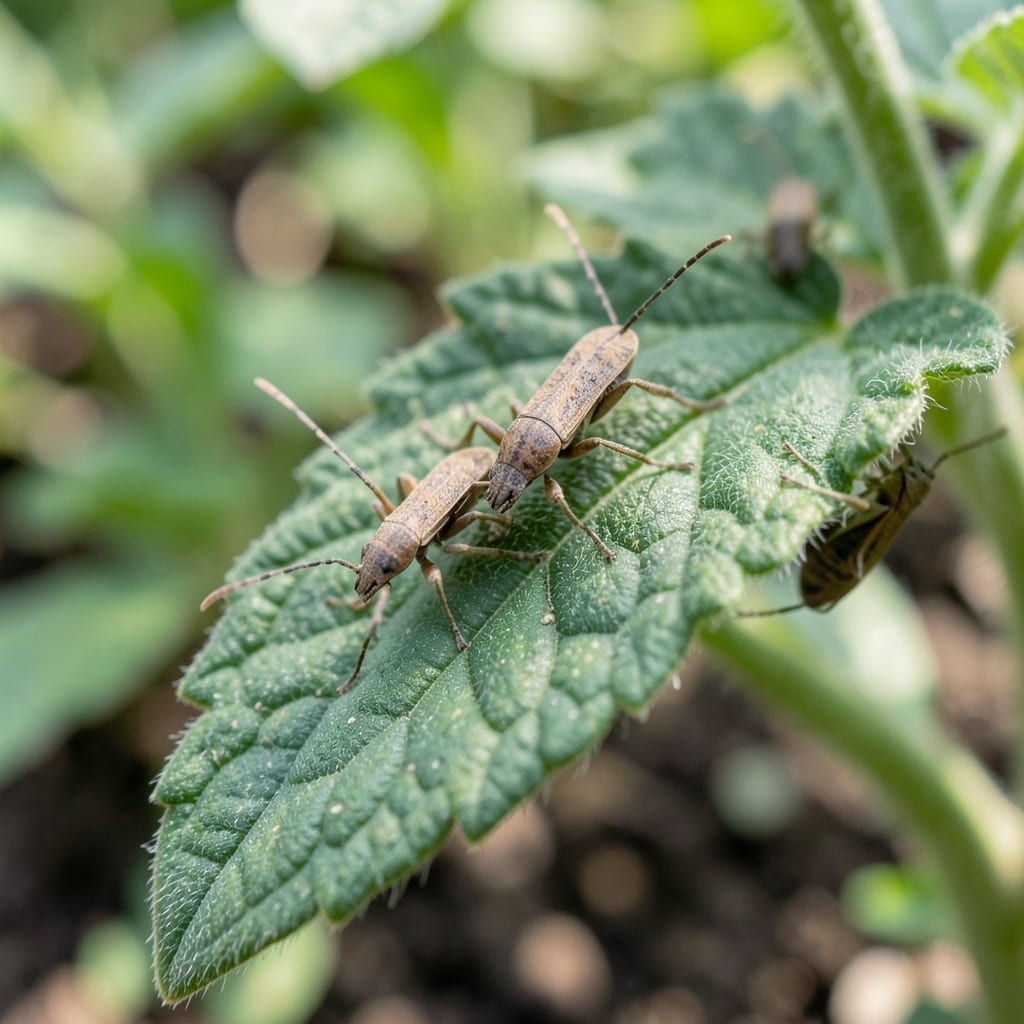
Spotted brown bugs on your plants? Don’t panic—I’ve dealt with my share of these uninvited guests. They’re sneaky, multiplying fast if you ignore them, but catching them early makes all the difference.
These pests often cluster on stems or leaf undersides, sucking sap and leaving behind sticky residue. Some look like tiny bumps, others move when disturbed. Either way, they weaken plants and spread quickly to neighbors in your garden.
With a close inspection and the right removal method, you can stop the damage before it spreads. I’ve saved countless plants with simple, targeted steps that work fast.
Prevention is easier than cure, but even a full infestation can be managed. Here’s how to identify and evict them for good.
Brown bugs on plants often appear due to a mix of environmental, biological, and cultural factors. Understanding the root causes helps you tackle the problem effectively and prevent future infestations. Here’s why they show up:
Plants under stress are more vulnerable to pests. Drought conditions or overwatering weaken a plant’s natural defenses, making it an easy target for brown bugs like stink bugs or assassin bugs. High temperatures and low humidity can also accelerate their reproduction cycles, leading to rapid infestations.
Nutrient-deficient or diseased plants attract pests that exploit their weakened state. Lack of nitrogen, potassium, or phosphorus can stunt growth and reduce resilience. Additionally, fungal or bacterial infections create entry points for bugs, which may feed on sap or decaying plant matter.
An imbalance in your garden’s ecosystem can lead to an overpopulation of brown bugs. Beneficial insects like ladybugs, lacewings, and parasitic wasps naturally control pest populations. If these predators are absent—due to pesticide overuse or habitat loss—brown bugs thrive unchecked.
Sometimes, we accidentally introduce or encourage brown bugs. Contaminated soil, mulch, or new plants can carry eggs or adults into your garden. Overuse of broad-spectrum pesticides can also kill off beneficial insects, giving pests free rein. Even poor garden hygiene, like leaving dead leaves or debris, provides shelter and breeding grounds.
Dealing with brown bugs on your plants can be frustrating, but these targeted solutions will help you regain control. Address each issue with the right approach for a healthy, pest-free garden.
Trim heavily infested leaves or stems to remove the bulk of the pests. Follow up with a neem oil spray or insecticidal soap, applying it every 5–7 days until the bugs are gone. Prevention tip: 💡 Introduce beneficial insects like ladybugs to keep populations in check.
Spider mites thrive in dry conditions. Boost humidity around your plants with a pebble tray or humidifier. For immediate relief, spray plants with water to dislodge mites, then apply horticultural oil. Prevention tip: ✨ Regularly mist plants and inspect undersides of leaves for early signs.
Dab mealybugs with a cotton swab soaked in rubbing alcohol to kill them on contact. Isolate heavily infested plants to prevent spreading. For stubborn cases, use systemic granules in the soil. Prevention tip: 🎯 Quarantine new plants for 2–3 weeks before introducing them to your collection.
Set up blue or yellow sticky traps to catch adult thrips. Remove damaged foliage and treat the plant with spinosad spray or diatomaceous earth. Prevention tip: 🌡️ Keep your garden free of weeds and plant debris where thrips breed.
Consistency is key—repeat treatments as needed and monitor plants closely to prevent reinfestation.
Not all brown bugs damage plants. Some, like assassin bugs, actually eat pests. However, most brown bugs on foliage—such as aphids or scale—suck sap and weaken plants. Always identify them first before taking action.
Keep plants healthy with proper watering and fertilization. Introduce beneficial insects like ladybugs. Regularly inspect leaves, especially undersides, and remove debris where pests hide.
Yes! A mild dish soap and water mixture can kill soft-bodied pests like aphids. Spray directly on bugs, then rinse after 15-20 minutes. Repeat every 4-5 days until they’re gone.
For immediate results, prune heavily infested areas and apply neem oil or insecticidal soap. Isolate affected plants to prevent spreading while treating.