
Beautiful Plants For Your Interior
Beautiful Plants For Your Interior
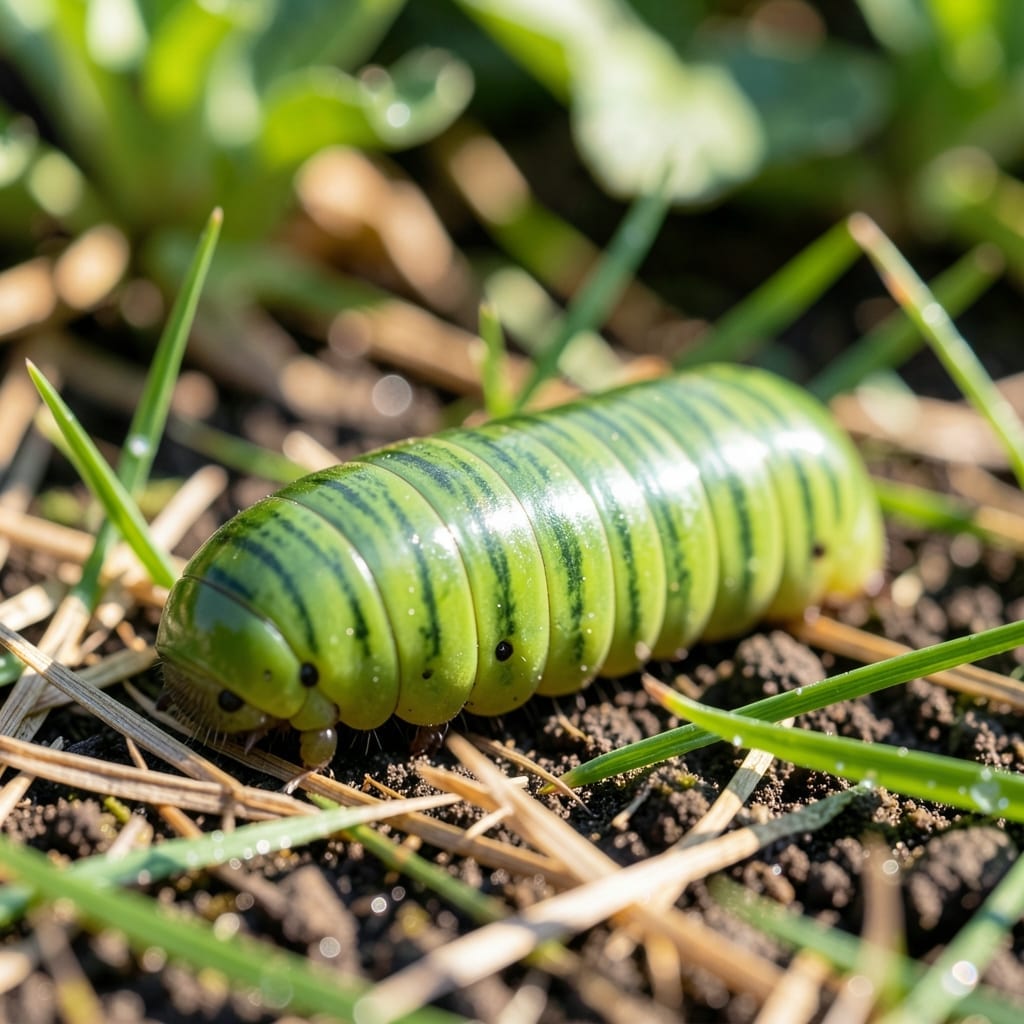
That sickening moment when you lift a rock and see them writhing. Bright green grubs are the silent saboteurs of healthy gardens, chewing through roots before you even notice the damage. I’ve lost entire sections of lawn to these pests overnight.
They’re not just ugly—they’re destructive. Left unchecked, these larvae can turn lush beds into patchy wastelands. The good news? They’re predictable. You can spot their damage early: wilting plants, yellow patches, or spongy turf that rolls back like carpet.
Here’s the thing—you don’t need harsh chemicals to win this fight. A few natural predators, like birds or beneficial nematodes, can do the heavy lifting. Timing matters most: treat at dusk when they’re active near the surface.
Prevention starts with vigilance. Check soil in early spring and late summer, when they’re most active. Catching them early saves your garden—and your sanity.
The appearance of bright green grubs in your garden is rarely random. These pests thrive under specific conditions, often tied to environmental factors, poor garden hygiene, or existing vulnerabilities in your soil. Understanding the root causes helps you take targeted action to prevent future outbreaks.
Grubs, especially species like Japanese beetle larvae, are attracted to moist, compacted soil. Excessive watering or inadequate drainage creates an ideal breeding ground. The larvae feed on organic matter and roots, multiplying rapidly in soggy conditions. Action: Improve drainage with sand or compost, and water only when the top inch of soil is dry.
Uncomposted leaves, grass clippings, or rotting mulch provide a food source and shelter for grubs. These materials retain moisture and warmth, accelerating their life cycle. Action: Remove plant debris regularly and turn compost piles frequently to discourage infestations.
Birds, toads, and beneficial nematodes naturally control grub populations. If your garden lacks biodiversity or uses broad-spectrum pesticides, these predators disappear. Action: Attract birds with feeders or nests, and introduce nematodes like Heterorhabditis bacteriophora to target grubs directly.
Grubs lay eggs in warm, loose soil (70–85°F), with hatching peaking in late summer. Gardens with rich, undisturbed soil are prime targets. Action: Till the soil in early summer to disrupt egg-laying, or apply milky spore powder to infect and kill grubs naturally.
Dealing with bright green grubs in your garden? Here’s how to tackle each common cause with simple, effective fixes—and prevent future infestations.
Grubs thrive in soggy soil. Let the top inch dry out between waterings. Use a moisture meter to gauge levels, and water deeply but less frequently to encourage strong roots. Prevention tip: 💡 Improve drainage by mixing in compost or sand.
Grubs feed on rotting leaves and grass clippings. Rake up garden debris regularly, and avoid leaving piles of organic matter near plants. Prevention tip: ✨ Use a thin layer of mulch (1-2 inches) to deter grubs while retaining moisture.
Encourage birds, beetles, and nematodes—natural grub predators—by planting native flowers or adding a birdbath. For a quick fix, introduce beneficial nematodes to the soil at dusk. Prevention tip: 🎯 Avoid broad-spectrum pesticides that harm helpful insects.
If grubs are breeding in your compost, turn the pile frequently to generate heat (120°F+ kills grubs). Alternatively, move the compost bin away from garden beds. Prevention tip: 🌡️ Balance greens (nitrogen) and browns (carbon) to speed up decomposition and deter pests.
Act fast at the first sign of grubs to protect your plants and keep your garden thriving!
Look for C-shaped, soft-bodied larvae with 6 legs near the head. They’re often found just below the soil surface, especially in moist, shaded areas. Wilting plants or yellow patches in lawns are common signs.
They primarily target grass roots and young plants. Vegetables like potatoes and carrots are also at risk. Older, established plants usually survive unless the infestation is severe.
Apply beneficial nematodes (like Heterorhabditis bacteriophora) at dusk when soil is moist. These microscopic worms infect and kill grubs within 48 hours.
Yes! Encourage natural predators like birds by adding feeders or a birdbath. Also, remove decaying organic matter and avoid overwatering.