
Beautiful Plants For Your Interior
Beautiful Plants For Your Interior
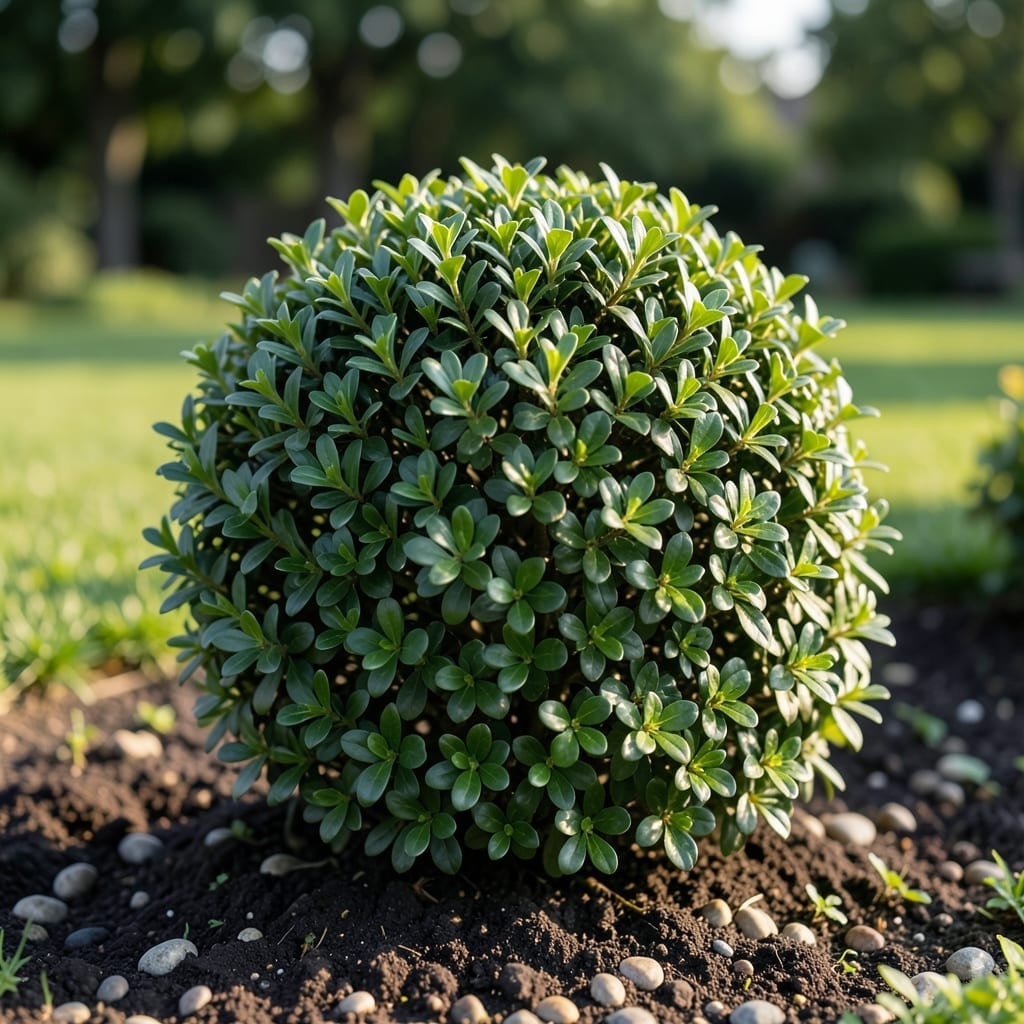
Boxwoods thrive in USDA hardiness zones 5 through 9, preferring moderate climates with well-drained soil and partial to full sun exposure for optimal growth.
I’ve found these zones provide the perfect balance of winter cold tolerance and summer warmth that boxwoods love. The moderate humidity in these regions helps prevent common issues like leaf scorch or root rot. 💫
In my experience, they adapt well to both urban gardens and rural landscapes, as long as the soil isn’t waterlogged. This versatility makes them a favorite for hedges and borders.
💡 In This Article
The ideal temperature range for boxwoods falls between -15°F to 25°F in winter and 70-85°F in summer. Zones 5-9 naturally provide this balance, protecting them from extreme cold that would kill tender roots or excessive heat that stresses foliage. The moderate humidity in these regions prevents the desiccation that occurs in arid climates. ✨
Boxwoods prefer slightly acidic to neutral soil with a pH of 6.5-7.2. In zones 5-9, the soil typically drains well while retaining enough moisture to support their shallow root systems. This combination allows roots to access oxygen while preventing waterlogging that leads to root rot.
The seasonal temperature shifts in these zones also trigger healthy growth cycles.
What makes these zones particularly suitable is their protection from harsh temperature swings. Boxwoods can handle brief cold snaps down to -10°F in zone 5 winters, while zone 9’s milder winters prevent the freeze-thaw cycles that damage roots. The consistent moisture levels in these zones support the evergreen nature of boxwoods without causing fungal issues.
💫
These conditions allow boxwoods to maintain their dense, glossy foliage year-round. The moderate climate enables steady growth without the stress that causes leaf drop or stunted development. Gardeners in these zones find their boxwoods require less maintenance and are more resistant to pests and diseases.
Additionally, the sunlight patterns in zones 5-9 provide the 4-6 hours of daily sun exposure that boxwoods thrive on. This light exposure promotes compact growth and rich green coloration. The filtered afternoon shade available in many of these regions protects leaves from scorching during peak summer temperatures. ⚡
They may struggle in winter, as zone 4 can drop below -25°F. Use cold-hardy varieties like ‘Green Velvet’ and provide winter protection with burlap wraps or mulch. Even then, expect some winter burn.
With extra care, yes. Provide afternoon shade, consistent watering, and mulch to keep roots cool. Heat-tolerant types like ‘Dwarf English’ perform best in these conditions.
Wrap plants in burlap or use frost cloth. For potted boxwoods, move them to a sheltered area like a garage or porch. Apply 2-3 inches of mulch around the base for added insulation.
In zone 9, focus on shade and hydration. In zone 5, prioritize winter protection and windbreaks. Both zones require well-draining soil and 4-6 hours of sunlight daily.