
Beautiful Plants For Your Interior
Beautiful Plants For Your Interior
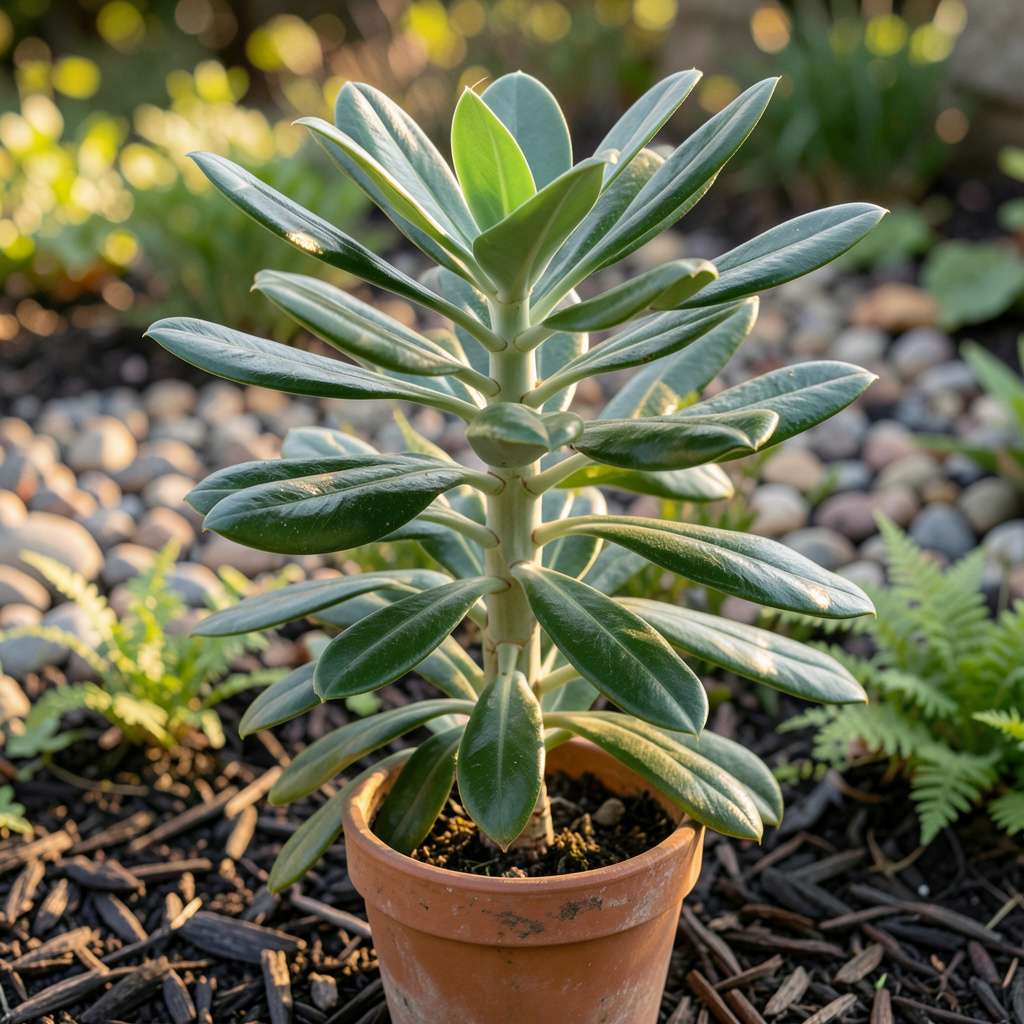
ZZ plants can thrive outdoors in USDA zones 9-12 with warm temperatures above 45°F, partial shade, and well-draining soil. They’re drought-tolerant but need protection from frost, strong winds, and direct midday sun.
I’ve found these resilient plants adapt surprisingly well to outdoor life when conditions mimic their native East African habitat. 🌿 The key is replicating their preferred environment—think dappled sunlight like they’d get under taller vegetation, with soil that never becomes waterlogged. What makes them special is their ability to store water in their rhizomes, allowing them to handle dry spells that would stress other plants. However, I always recommend monitoring them during seasonal transitions, especially when temperatures start dipping below 50°F at night.
From my experience, container growing gives you the most flexibility for moving them to shelter when unexpected cold snaps or storms hit. Their waxy leaves actually help repel some pests, but I still check regularly for mealybugs or scale insects that might hitch a ride outdoors. The real game-changer is observing how they respond to your specific microclimate—some gardeners in zone 8 have success with winter protection strategies. ✨
💡 In This Article
ZZ plants (Zamioculcas zamiifolia) originate from Eastern Africa’s dry grasslands and forests, where they’ve adapted to survive in rocky, well-draining soils with infrequent rainfall. Their underground rhizomes act like water storage tanks, allowing them to endure droughts that would kill less resilient plants.
This adaptation explains why they thrive in USDA zones 9-12, where temperatures rarely dip below 45°F and humidity levels stay moderate. 🌍
Their waxy, dark green leaves aren’t just decorative—they’re functional. This glossy coating reduces water loss through transpiration by up to 30% compared to thinner-leaved plants. When outdoor temperatures climb above 90°F, these leaves help maintain internal moisture levels.
However, direct midday sun (especially in zones 10-12) can scorch these leaves, as they’ve evolved under the dappled light of taller African vegetation. The ideal light exposure mimics this: 4-6 hours of morning sun followed by afternoon shade.
Soil composition becomes critical outdoors. In their native habitat, ZZ plants grow in rocky, fast-draining soils with pH levels between 6.0-7.0. When planted in typical garden soil, they’re susceptible to root rot because most outdoor soils retain too much moisture.
I’ve found amending garden beds with 50% perlite or pumice and 20% coarse sand creates the right drainage balance. Container-grown specimens need drainage holes and a mix containing at least 30% inorganic material like lava rock or orchid bark.
Frost is the number one outdoor killer. At 32°F, cell damage begins in the leaves, appearing as black, mushy spots. Below 28°F, the rhizomes themselves can freeze, often leading to plant death.
What surprises many gardeners is that wind chill matters too—a 45°F day with 20 mph winds can cause cold damage equivalent to 35°F still air. This is why even zone 9 gardeners need to monitor weather forecasts closely during winter.
Humidity plays a subtle but important role. While ZZ plants tolerate dry air, they perform best at 40-60% humidity. In coastal zone 10 areas, the salt-laden air can cause leaf tip burn if plants aren’t rinsed occasionally with fresh water.
Inland zone 9 gardeners often see better growth because the humidity levels more closely match their native habitat. The plants signal stress through leaf curling (too dry) or yellowing (too wet), giving you time to adjust their microclimate before permanent damage occurs. ✨
Here’s what most people miss about outdoor ZZ plants: they’re not just surviving—they’re often growing more vigorously than indoors. The natural light cycles and seasonal temperature variations can trigger faster growth, with some outdoor specimens producing 2-3 times more new shoots annually than their indoor counterparts.
This growth surge happens because outdoor conditions more closely mimic their natural habitat’s seasonal patterns, especially the warm nights (above 60°F) that stimulate rhizome development.
ZZ plants start showing cold stress when temperatures drop below 45°F. At 32°F, leaf damage becomes visible as black spots. Anything below 28°F risks killing the plant completely—even the underground rhizomes can freeze.
Outdoor ZZs typically need watering every 10-14 days in summer, less in cooler months. Always check the soil first—the top 2-3 inches should be completely dry before watering. Their drought tolerance means it’s better to underwater than overwater.
Zone 8 is risky for year-round outdoor living. While some gardeners succeed with heavy winter protection (mulch, frost cloth, south-facing walls), most need to bring plants indoors when temps drop below 40°F. Container growing makes seasonal moves easier.
Choose spots with morning sun and afternoon shade, like under trees or on east-facing patios. Avoid low areas where cold air settles. Near a light-colored wall provides reflected warmth in cooler months while protecting from harsh winds.
Yes! With natural light cycles and seasonal temperature changes, outdoor ZZs often produce 2-3 times more new growth annually. The key factors are warm nights (above 60°F) and the slight stress of outdoor conditions that stimulates rhizome development.
