
Beautiful Plants For Your Interior
Beautiful Plants For Your Interior
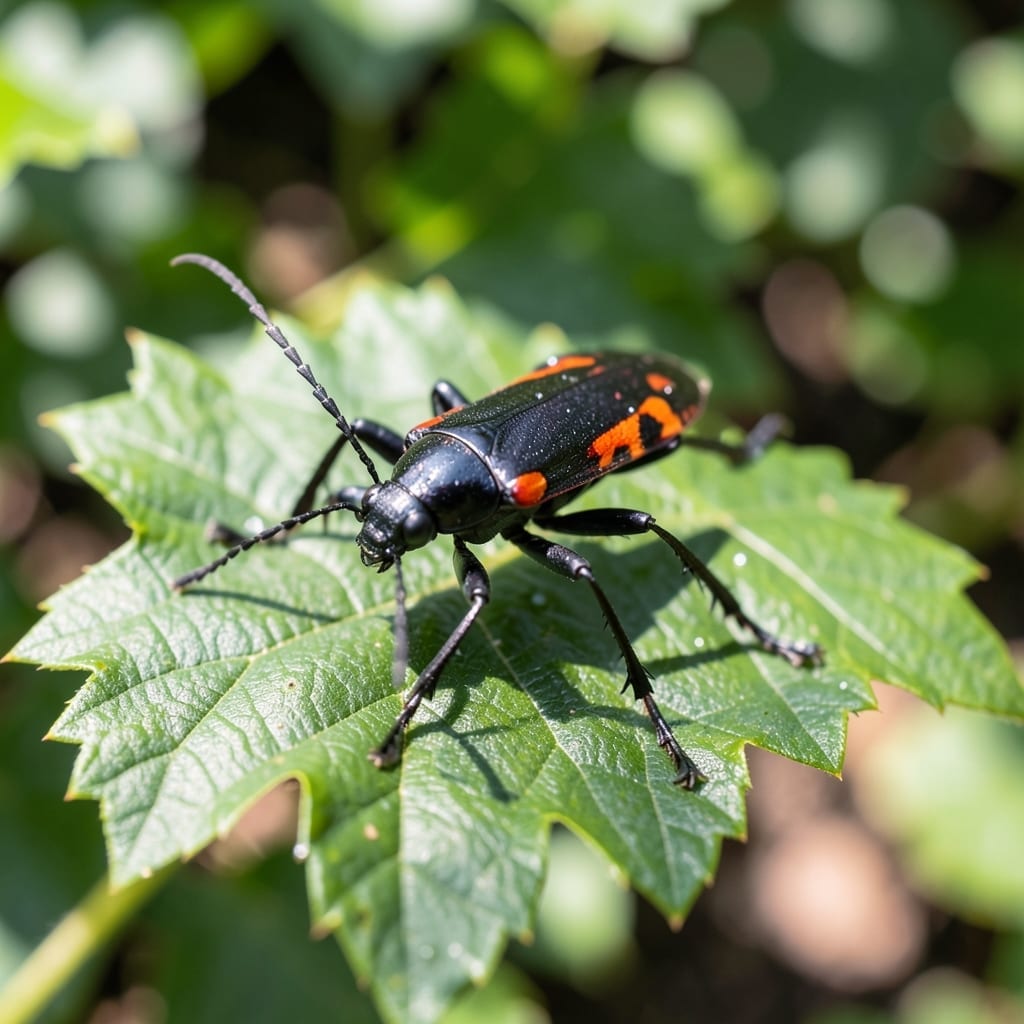
I spotted my first box elder bug last spring and panicked. These black-and-red insects swarm in large numbers, but here’s the relief: they won’t harm your plants or bite you.
The real issue is their sheer volume. They cluster on trees, siding, and windows, creating a nuisance rather than damage. Their piercing mouthparts are designed for box elder trees, not human skin or vegetable gardens.
Managing them is simpler than you think. Physical removal and sealing entry points work better than chemicals. A shop vacuum can clear hundreds in minutes without harming your garden ecosystem.
Prevention starts with eliminating their food source. Remove female box elder trees from your property, and you’ll see fewer bugs next season. No fancy sprays required.
Box elder bugs may seem harmless, but understanding why they swarm your home or garden helps you address the root of the problem. These pests are driven by specific environmental and biological factors that make them a seasonal nuisance. Below are the key reasons behind their invasions.
As temperatures drop in fall, box elder bugs seek warm, protected spaces to survive winter. Your home’s foundation, attic, or wall voids mimic their natural overwintering sites—like tree bark or leaf litter. This behavior is purely instinctual; they’re not aggressive but will congregate in masses to escape the cold.
These bugs feed on the seeds and sap of box elder, maple, and ash trees. If your property has these plants, it’s a buffet and breeding ground for them. Female bugs lay eggs on tree bark, leading to large populations that later migrate indoors when food sources dwindle.
Box elder bugs exploit tiny cracks, gaps, or damaged screens to enter structures. Unlike termites, they don’t chew through wood but squeeze through openings as small as 1/16 of an inch. Poorly sealed windows, doors, or utility lines are prime entryways.
Actionable tip: Inspect your home’s exterior in late summer and seal gaps with caulk or weatherstripping to block their access.
Box elder bugs can be a nuisance, but they’re mostly harmless. Here’s how to safely remove them and keep them from coming back:
If you spot these bugs inside, grab a vacuum with a hose attachment. Gently suck them up (no crushing—it can stain fabrics). Empty the vacuum outside immediately, then seal the bag or canister tightly. For stubborn clusters, use a soapy water spray (1 tbsp dish soap + 1 quart water) to kill them on contact.
Prevent swarms by sealing entry points. Check for gaps around windows, doors, and utility lines, then use caulk or weather stripping. Remove attractants like seed-bearing box elder trees (especially female trees) near your home. A residual insecticide (pyrethrin-based) applied to exterior walls in early fall can also deter them—just follow label instructions carefully.
Pro tip: If the infestation is severe, call a pest control professional for targeted treatment.
No, they don’t bite. Their mouthparts are designed for piercing plant tissues, not human skin. You might feel a slight pinch if they’re threatened, but it’s rare and harmless.
They rarely harm plants. While they feed on box elder tree seeds and sap, the damage is usually minimal. The bigger issue is their large numbers, which can be a visual nuisance.
They return for warmth and food. In fall, they seek shelter in homes to survive winter. If your property has seed-bearing trees, they’ll keep returning to feed and breed.
Pesticides can reduce their numbers but won’t eliminate them forever. Sealing entry points and removing attractants like box elder trees is the best long-term solution.