
Beautiful Plants For Your Interior
Beautiful Plants For Your Interior
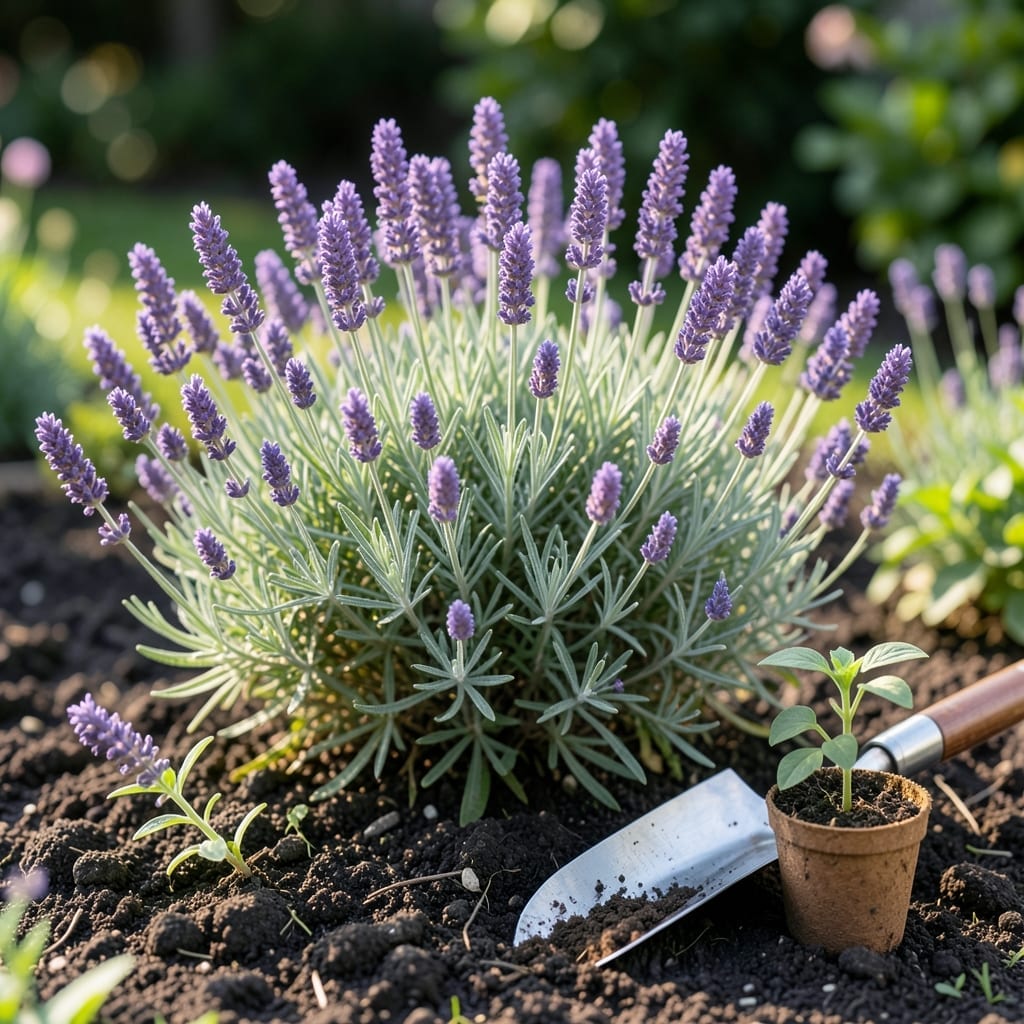
Timing is everything when planting 🟣 Lavender in Zone 8—get it right, and you’ll enjoy fragrant blooms for years. Get it wrong, and you risk struggling plants that never thrive.
I’ve learned the hard way that this herb needs the perfect conditions to establish strong roots. The good news? There are two ideal windows each year when the soil and climate are just right.
Whether you’re a seasoned gardener or just starting out, knowing these planting periods can make all the difference. It’s not just about avoiding frost—it’s about giving your Lavender the best possible start.
Discover the exact months to plant for maximum success and how to prepare your garden for these perfect moments. Let’s get your Lavender growing strong.
In Zone 8, timing your lavender planting is crucial for strong root development. The two best windows are early spring and late summer, when conditions are ideal for establishment before extreme weather hits. 🌱
Early spring, typically March to April, allows plants to settle in before summer heat. Late summer, around September to October, gives roots time to grow before winter. Both periods avoid frost and provide moderate temperatures.
| Planting Window | Best Conditions |
| Early Spring | March-April, after last frost |
| Late Summer | September-October, before first frost |
| Soil Temp | 60-70°F ideal for roots |
I always check the soil temperature before planting. Lavender prefers 60-70°F for optimal root growth. In Zone 8, spring soil warms up quickly, while fall planting benefits from summer’s residual heat.
The last frost date in Zone 8 is usually around March 15. Planting after this date ensures young lavender won’t be damaged by unexpected cold snaps. For fall planting, aim to finish at least 6 weeks before the first frost.
Lavender hates wet feet, so spring planting works well because the soil is moist but not waterlogged. Late summer planting is excellent because the soil stays warm while air temperatures begin to cool.
In my experience, English lavender does particularly well with spring planting, while Spanish lavender can handle the slightly warmer conditions of late summer planting. Both varieties need full sun and well-draining soil.
Remember that container-grown lavender can be planted anytime during the growing season. However, I’ve found that even container plants do best when transplanted during these optimal windows.
For the best results, prepare your planting area by amending the soil with sand or gravel to improve drainage. Lavender thrives in poor to moderately fertile soil, so avoid heavy clay or overly rich mixtures.
Whether you choose spring or fall planting, give your lavender plants plenty of space—about 2-3 feet apart—to ensure good air circulation. This helps prevent fungal diseases and promotes healthy growth. ☀️
Planting lavender in Zone 8 at the wrong time can set your garden back. I’ve seen many gardeners rush to plant in late fall, only to lose plants to winter chill before roots establish.
Another common error is ignoring soil drainage. Lavender hates wet feet, so heavy clay soil without amendments will spell trouble for your plants.
⚠️ Avoid These Lavender Planting Pitfalls
Planting too late in fall risks winter die-off. Always plant at least 6-8 weeks before first frost to allow root establishment.
Choosing the wrong lavender variety for Zone 8’s humidity can also cause problems. Some types struggle with our summer humidity and need better air circulation.
I recommend testing your soil pH before planting. Lavender thrives in alkaline soil (pH 6.5-8). If your soil is too acidic, add lime to adjust it.
Remember that overwatering is just as dangerous as poor drainage. Once established, lavender is drought-tolerant and prefers dryer conditions.
Finally, don’t crowd your plants. Give each lavender 2-3 feet of space for proper air circulation, which helps prevent fungal diseases in our humid climate. 🌿