
Beautiful Plants For Your Interior
Beautiful Plants For Your Interior
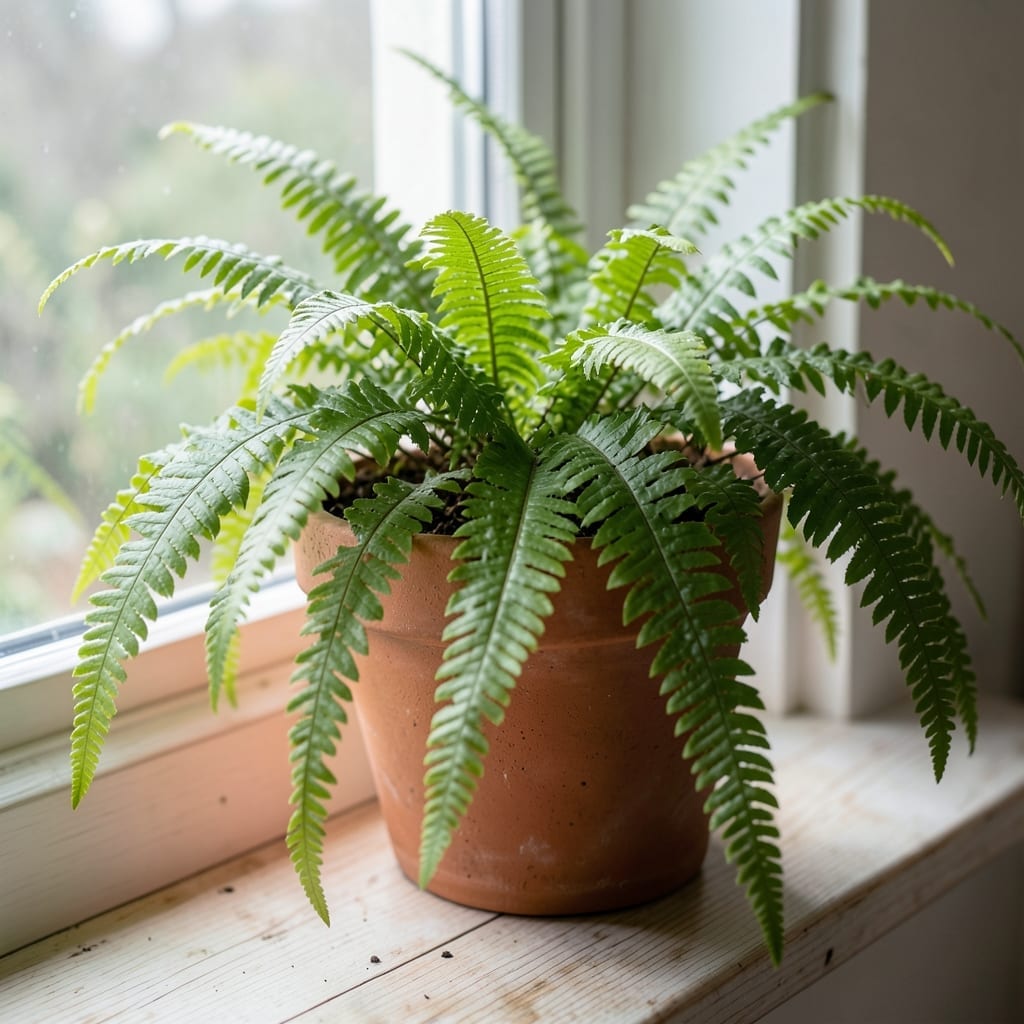
Boston ferns thrive in temperatures between 65-75°F during the day and 55-65°F at night, avoiding extremes below 50°F or above 85°F for optimal growth.
I’ve found these lush plants react dramatically to temperature swings, with fronds turning brown or crispy when exposed to drafts or heat sources. 🔥 Maintaining consistent warmth mimics their native subtropical habitat, while avoiding cold windows or AC vents prevents shock. For best results, I recommend a stable environment with gentle air circulation to support their humidity needs.
💡 In This Article
Boston ferns are subtropical plants, meaning their metabolic processes are finely tuned to warm, stable environments. At 65-75°F, their chloroplasts operate at peak efficiency, converting light into energy through photosynthesis. Below 50°F, these processes slow dramatically, stunting growth and causing fronds to yellow. 🔥
The relationship between temperature and humidity is critical. At higher temps like 80°F+, the air holds more moisture, but without adequate humidity (ideally 50-80%), the fern loses water faster than it can absorb. This leads to crispy, brown leaf tips.
Conversely, cooler temps like 55-65°F at night reduce water loss, allowing the plant to conserve energy. ✨
Root development also depends on warmth. Soil temperatures below 55°F inhibit nutrient uptake, while temps above 85°F can cook delicate roots. I’ve seen ferns in 90°F+ conditions develop root rot because the heat stresses the plant, making it susceptible to fungal infections. The sweet spot keeps roots active but not overwhelmed.
Signs of temperature stress appear quickly. Cold drafts cause dark, water-soaked spots on fronds, while heat stress leads to wilting or bleached, papery leaves. In my experience, a fern exposed to 45°F for 24 hours can suffer irreversible damage. Even a 10°F swing in a day can trigger shock, so stability is key. 💫
For comparison, think of Boston ferns like Goldilocks—they need conditions that are not too hot, not too cold, but just right. Their native habitats in tropical Americas rarely dip below 60°F or exceed 80°F, which explains their sensitivity to extremes in our homes. This temperature range supports their lush, arching fronds and vibrant green color.
No, cold drafts below 50°F can cause dark spots and irreversible damage. Keep them away from windows, doors, and AC vents to prevent shock.
Temps above 85°F can stress the plant, leading to wilting, bleached fronds, or root rot. Ensure good air circulation and shade during heatwaves.
Use a digital thermometer near the plant to track fluctuations. Aim for 65-75°F during the day and 55-65°F at night.
Yes, move ferns away from cold windows in winter and avoid direct sun in summer. A stable environment prevents stress and promotes growth.
Only if it maintains 65°F minimum and is at least 3 feet away. Direct heat can dry out fronds and damage roots.