
Beautiful Plants For Your Interior
Beautiful Plants For Your Interior
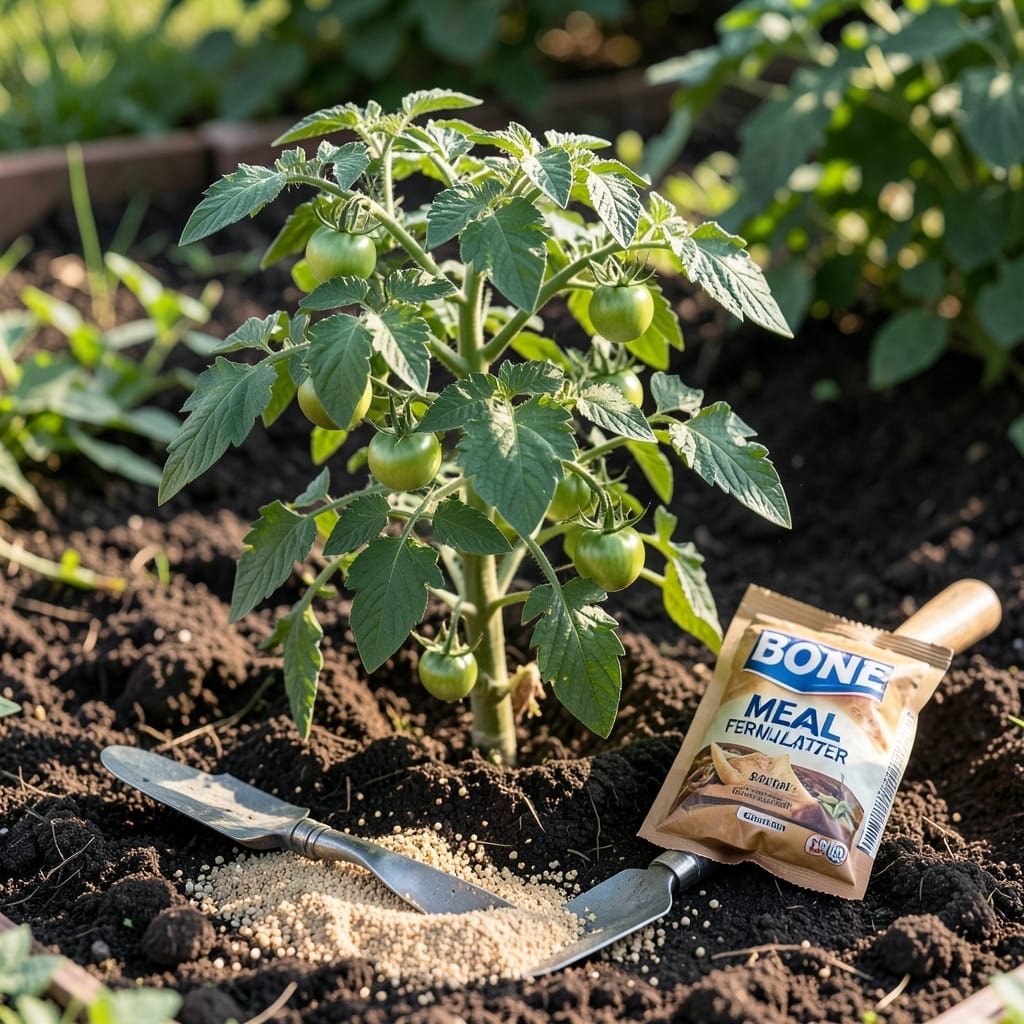
Bone meal is primarily used as a natural fertilizer to add phosphorus to soil, promoting strong root development, vibrant blooms, and improved fruit production in plants.
I use this in my garden when I want to give plants a phosphorus boost, especially for root crops and flowering species. It slowly breaks down in the soil, providing a steady nutrient supply that supports cellular energy transfer. This makes it ideal for long-term soil health rather than quick fixes. ⚡
What sets it apart is its organic composition, which also adds calcium to the mix. 💫
💡 In This Article
Bone meal works through a slow-release chemical process where soil microbes break down the calcium phosphate compounds. This gradual decomposition provides a steady 3-15% phosphorus supply, which plants absorb as phosphate ions. The beauty is in its longevity—unlike synthetic fertilizers that leach quickly, bone meal feeds soil for 4-6 months or longer. 🔥
At the cellular level, phosphorus drives ATP production—the energy currency that fuels all plant processes. This explains why phosphorus-deficient plants often show stunted growth and purplish stems. Bone meal’s phosphorus specifically boosts root development by stimulating cell division in root tips, creating denser, more efficient root systems. ✨
Flowering and fruiting plants demand extra phosphorus during reproductive stages. The nutrient directly influences flower formation and seed production by supporting DNA replication and protein synthesis. I’ve seen tomato plants produce 20-30% more fruit when given bone meal at planting time compared to unamended soil. 🌟
What most gardeners overlook is bone meal’s secondary benefit: calcium. The 20-30% calcium content strengthens cell walls, making plants more resistant to diseases and physical stress. This dual action makes it particularly valuable for heavy-feeding crops like peppers, roses, and bulbs that need both phosphorus and calcium. ⚡
The release rate depends on soil pH and temperature. In acidic soils (pH 6.0-6.5), phosphorus becomes more available, while alkaline conditions may require additional amendments. Microbial activity also increases in warmer soils (60-85°F), speeding up the breakdown process. 💫
Heavy phosphorus feeders like tomatoes, peppers, and roses thrive with it. Bulb plants such as tulips and daffodils also benefit greatly from a fall application.
Apply at planting time for best results. Sprinkle 1-2 tablespoons per hole for vegetables or 1/4 cup around shrubs, mixing into the top 2-3 inches of soil.
It works best in acidic to neutral soils (pH 6.0-6.5). In alkaline conditions above 7.0, phosphorus becomes less available, so amend the soil first.
Keep unused portions in an airtight container in a cool, dry place. This maintains effectiveness for up to 2 years.
Avoid using it on phosphorus-sensitive plants like leafy greens. These don’t need the extra boost and may develop nutrient imbalances.