
Beautiful Plants For Your Interior
Beautiful Plants For Your Interior
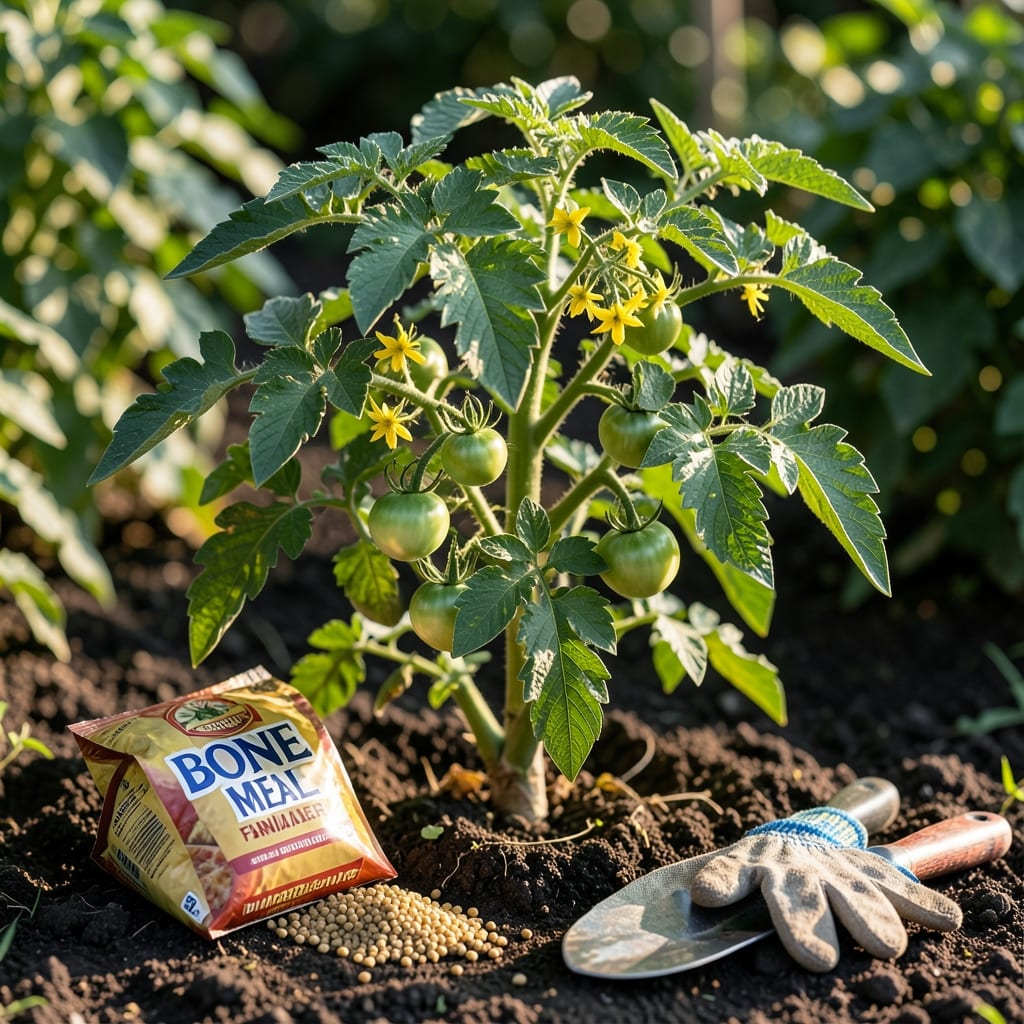
Bone meal is a natural fertilizer rich in phosphorus, promoting strong root development, vibrant blooms, and overall plant health. It slowly releases nutrients, making it ideal for flowering plants and vegetables.
I’ve seen remarkable results using this in gardens where plants were struggling with weak stems or poor flowering. The phosphorus boosts energy transfer within plants, which is why you’ll notice stronger root systems and more abundant blooms over time. It’s particularly effective for heavy feeders like tomatoes, roses, or bulbs that demand extra nutrients. ✨
💡 In This Article
Phosphorus in bone meal directly fuels ATP production, the energy currency of plant cells. This molecule powers root growth, allowing plants to establish stronger foundations and access water and nutrients more efficiently. Without sufficient phosphorus, plants struggle to develop beyond the seedling stage, often displaying stunted growth and purple-tinged leaves—a classic deficiency sign.
For flowering and fruiting plants, phosphorus is equally critical. It stimulates bloom formation and seed development, which is why bone meal is a go-to for gardeners growing roses, tomatoes, or fruit trees.
The slow-release nature of bone meal means phosphorus becomes available over 2-4 months, preventing nutrient spikes that can harm plants while supporting steady, long-term growth. 🌟
Bone meal typically contains 15-20% phosphorus (as P₂O₅), along with trace calcium, which strengthens cell walls. This combination improves soil structure over time, enhancing microbial activity. Unlike synthetic fertilizers that can leach quickly, bone meal’s organic composition breaks down gradually, aligning with natural plant uptake rhythms.
The granular form allows for precise application—mix 1-2 tablespoons into the planting hole for bulbs or sprinkle 5-10 lbs per 100 sq ft for garden beds. The coarse texture also resists compacting, ensuring oxygen and water can still penetrate the soil. This makes it ideal for clay-heavy or compacted soils where root penetration is challenging.
✨
What sets bone meal apart is its ability to improve soil health beyond just phosphorus. The calcium content helps neutralize acidic soils, creating a more balanced pH that benefits a wider range of plants. This dual-action makes it particularly valuable in organic gardening systems where soil vitality is the priority.
Bone meal releases phosphorus gradually over 2-4 months, so you won’t see immediate effects. Roots begin absorbing nutrients within 2-3 weeks of application, with peak benefits appearing during active growth phases.
It’s perfect for flowering plants, vegetables, and bulbs. Avoid using on acid-loving plants like blueberries or azaleas, as the calcium content may alter soil pH over time.
Overapplication can lead to phosphorus buildup in soil, potentially harming beneficial microbes and causing nutrient imbalances. Stick to recommended rates: 1-2 tablespoons per plant or 5-10 lbs per 100 sq ft.
As an animal byproduct, it may attract rodents or raccoons. To prevent this, mix it thoroughly into the soil at planting time rather than leaving it on the surface.