
Beautiful Plants For Your Interior
Beautiful Plants For Your Interior
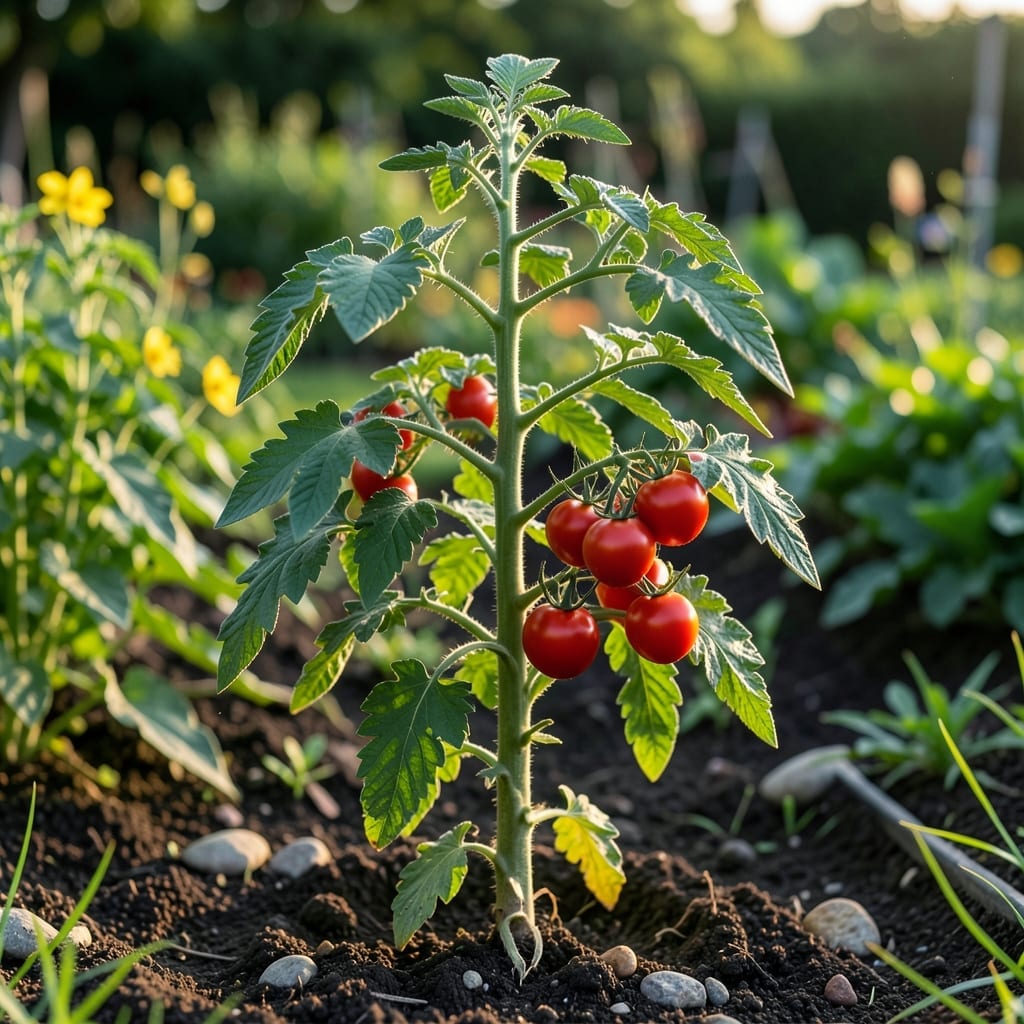
Boise primarily falls in USDA Hardiness Zones 6b to 7a, with cold winters and hot summers shaping its plant compatibility and growing seasons.
I’ve found Boise’s elevation and valley location create unique microclimates that can shift frost dates by weeks. 🔥 This means some gardeners experience Zone 7 conditions near downtown while outlying areas dip into Zone 6 territory. The key is observing your specific neighborhood’s patterns for best results.
These variations allow for diverse plantings, from cold-hardy perennials to heat-loving annuals. ✨
💡 In This Article
Boise’s elevation of 2,730 feet creates cooler temperatures than lower valleys, pushing some areas into Zone 6b. The urban heat island effect near downtown can raise temperatures by 2-5°F, creating pockets that mimic Zone 7a conditions. This elevation impact means frost dates can vary by 2-3 weeks across the city. 🔥
The Treasure Valley’s geography traps cold air in low-lying areas, making these spots more prone to frost. Meanwhile, south-facing slopes receive more solar radiation, warming the soil and air. These microclimates explain why some Boise gardeners can grow figs while others struggle with tender perennials. ✨
Winter temperature extremes range from -10°F to 25°F, with the coldest readings typically occurring in January. The last average frost date is around April 15, but valley floors may see frost as late as May 1. Understanding these patterns helps in selecting plants that can tolerate Boise’s specific winter conditions. 💫
Summer heat can reach 100°F+, with 2,500-3,000 sunlight hours annually. This intense sunlight benefits heat-loving plants but requires careful water management. The combination of hot days and cool nights (often dropping 30-40°F) creates ideal conditions for many fruits and vegetables. ⚡
Soil types also vary, from sandy loams near the river to heavier clay soils in the bench areas. These differences affect drainage and nutrient availability, which in turn influences plant selection. Testing your specific soil’s pH and texture can reveal opportunities to expand what you can successfully grow. 🌟
The last average frost is around April 15, but valley areas may see frost until May 1. First fall frost usually arrives between October 10-20. Always monitor local forecasts for microclimate variations.
Most tropical plants won’t survive Boise winters outdoors. However, you can grow them in containers and bring them inside when temperatures drop below 50°F. Consider hardy alternatives like Russian sage instead.
Higher elevations in Boise are cooler, often falling into Zone 6b. Each 1,000 feet of elevation gain typically drops temperatures by 3-5°F, affecting what plants will thrive in your specific location.
Cool-weather crops like kale and peas do well in spring/fall. Summer favorites include tomatoes, peppers, and beans that love Boise’s hot days and cool nights. Always start seeds indoors for tender plants.