
Beautiful Plants For Your Interior
Beautiful Plants For Your Interior
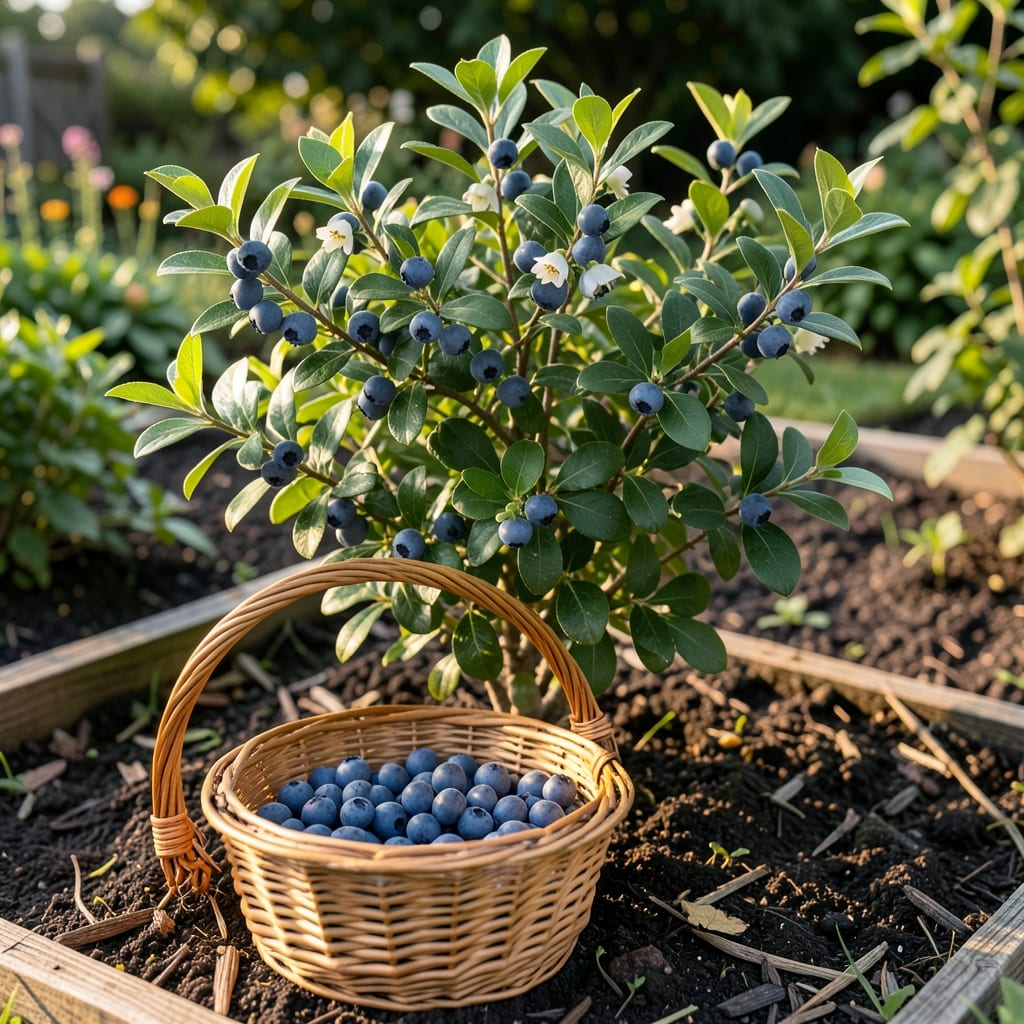
Bluecrop blueberries deliver a balanced sweet-tart flavor with a mild wild berry tang, offering juicy firmness and a subtle floral finish that ripens to peak sweetness.
I love how these berries start with a bright zing that mellows into a honeyed richness as they mature. Sunlight exposure and soil acidity play huge roles in developing that complexity, which is why growers often test pH levels religiously. 🔥
What makes them special is their ability to hold up in baking without turning mushy, unlike some other varieties I’ve tried.
💡 In This Article
The sweet-tart magic starts in the soil. Bluecrop bushes thrive in acidic conditions with a pH of 4.0-5.5, which unlocks essential nutrients like iron and manganese. These minerals directly impact sugar development and acidity balance in the fruit.
Sunlight exposure is equally critical. Bluecrops need 6-8 hours of direct sun daily to maximize sugar production through photosynthesis. Less light results in more tart, less sweet berries. The skin’s anthocyanins (those deep blue pigments) also intensify with UV exposure, adding complexity to the flavor profile. ✨
Ripeness stages transform the taste dramatically. Early in development, malic and citric acids dominate, creating that sharp tang. As the berries mature, natural sugars (fructose, glucose) accumulate, peaking at 12-15% Brix (sugar content) when fully ripe. This is why taste-testing is essential—color alone isn’t a reliable indicator. 🔥
The plant’s genetics play a role too. Bluecrop is a mid-season variety bred for consistency, with a natural acidity that balances the sweetness better than many other cultivars. This inherent balance makes them ideal for both fresh eating and cooking applications where you want the flavor to shine through.
Even the picking time matters. Morning harvests yield firmer berries with higher acidity, while afternoon picks tend to be sweeter due to daily sugar accumulation. Commercial growers often adjust harvest times based on weather patterns—cooler mornings preserve that signature firmness we love.
Early on, they’re quite tart from malic and citric acids. As they mature, sugars accumulate to 12-15% Brix, creating that perfect sweet-tart balance. Color alone isn’t a reliable indicator—always taste-test!
Keep unwashed berries in the fridge in a ventilated container for up to 10 days. Wash just before eating to prevent mold. For longer storage, freeze in a single layer first.
Sunlight and soil pH are key. Berries with 6-8 hours of sun and acidic soil (pH 4.0-5.5) develop more sugars. Afternoon picks are often sweeter than morning harvests.
Their balanced flavor pairs well with balsamic glazes, grilled meats, or sharp cheeses. Try them in salads or as a topping for bruschetta with goat cheese.