
Beautiful Plants For Your Interior
Beautiful Plants For Your Interior
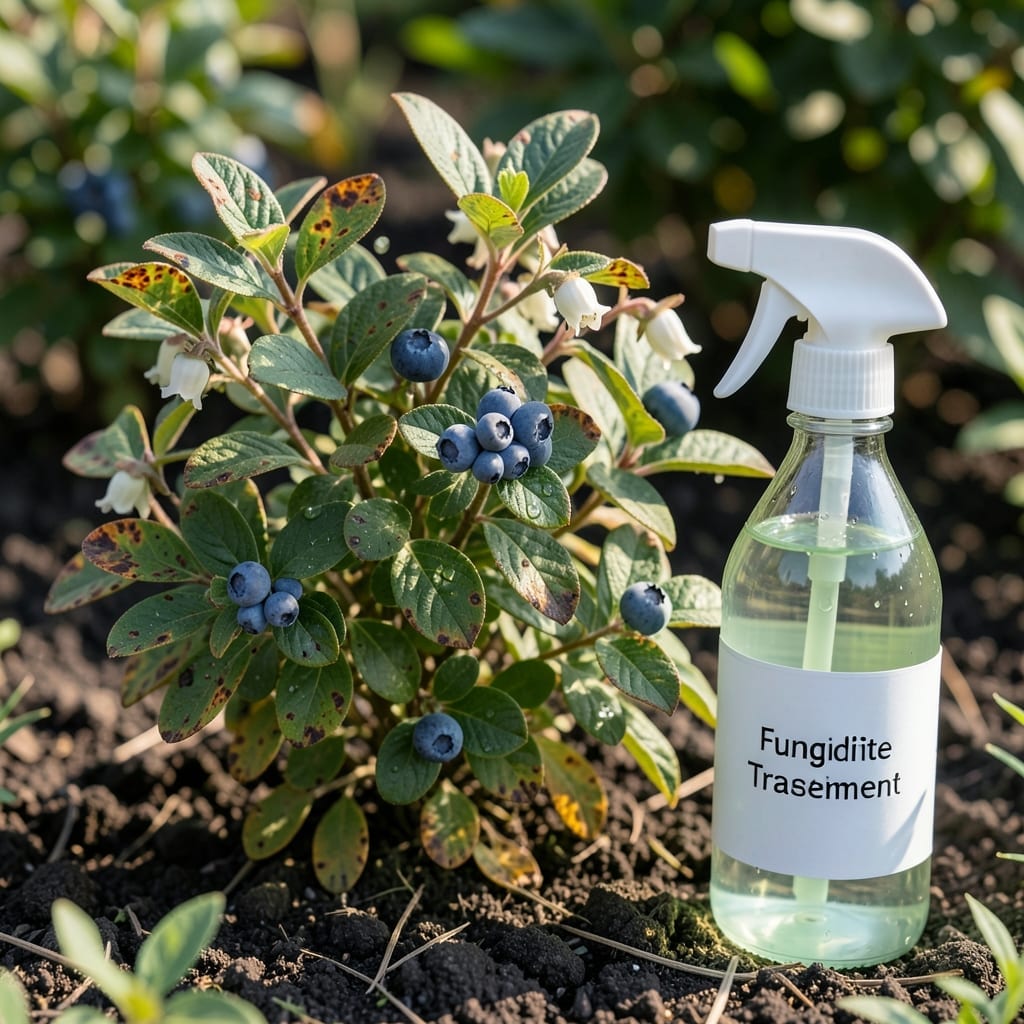
I spotted orange spots on my blueberry leaves last spring and panicked. Turns out it was rust fungus, and I learned the hard way that early action saves the harvest.
The good news? Organic fungicides like copper or neem oil work surprisingly well when applied at the first sign. Proper spacing between plants and removing infected leaves stops the spread faster than anything else.
You’ll see new growth return within 2-3 weeks of treatment. The key is consistency—reapply after rain and keep monitoring those leaves.
Works for container or in-ground bushes. Here’s how to protect your crop without harsh chemicals.
Blueberry rust, caused by the fungus Thekopsora minima, doesn’t appear out of thin air. It thrives under specific conditions, often tied to environmental factors or cultural practices. Understanding these causes helps you prevent outbreaks before they start.
The fungus spores spread and germinate in wet, humid conditions. Overhead irrigation, frequent rain, or dense plantings with poor airflow create the perfect breeding ground. Leaves stay wet for extended periods, allowing spores to infect tissue. Prune bushes annually to improve circulation, and water at the base—not the foliage—to reduce leaf wetness.
Thekopsora minima overwinters in fallen leaves, twigs, and fruit mummies left on the ground. In spring, spores release and infect new growth. Remove and destroy all plant debris after harvest and during dormancy. Avoid composting infected material, as home compost piles may not reach temperatures high enough to kill the fungus.
Some blueberry cultivars are more genetically vulnerable to rust. Older or highbush varieties, like ‘Bluecrop’ or ‘Jersey’, often show higher susceptibility. If rust is a recurring problem, consider planting rust-resistant varieties such as ‘Duke’ or ‘Elliot’. Always source certified disease-free plants from reputable nurseries.
Blueberry rust flourishes in temperatures between 60–75°F (15–24°C) paired with high humidity (>85%). These conditions accelerate spore production and infection. In regions with mild, wet springs, the risk is highest. Monitor weather forecasts and apply preventive fungicides during high-risk periods to protect new shoots.
Tackling blueberry rust starts with identifying the cause and applying the right fix. Here’s a practical guide to solving the problem and keeping your plants healthy.
If you spot rust-colored spots on leaves, prune and remove all infected foliage immediately. This prevents the fungus from spreading to healthy parts of the plant. Dispose of the clippings in sealed bags—not in your compost pile—to avoid reinfection.
Rust thrives in damp, crowded conditions. Thin out dense branches to allow better airflow between plants. Space blueberry bushes at least 4–6 feet apart, and prune regularly to reduce humidity buildup.
For active infections, treat plants with copper-based fungicides or neem oil. Apply in the early morning or late evening to avoid leaf burn, and reapply after rain. Always follow the product’s instructions for dosage and frequency.
Prevention tip: 💡 Spray a baking soda solution (1 tbsp baking soda + 1 tsp dish soap + 1 gallon water) as a preventive measure every 2–3 weeks during the growing season.
Healthy plants resist disease better. Fertilize with acid-loving plant food (blueberries thrive in pH 4.5–5.5 soil) and water at the base to keep leaves dry. Mulch with pine needles to maintain soil acidity and suppress spores.
Prevention tip: ✨ Rotate your fungicide treatments to prevent fungal resistance.
Fallen leaves and plant debris can harbor rust spores over winter. Rake and remove all debris from around the base of your blueberry bushes in late fall. This simple step can significantly reduce next season’s risk.
Apply organic fungicides like copper or neem oil every 7-10 days during wet seasons. Reapply immediately after rain. Consistency is key to breaking the fungus life cycle.
A baking soda solution (1 tbsp baking soda + 1 tsp dish soap + 1 gallon water) works as a preventive spray. Apply every 2-3 weeks but switch to stronger treatments for active infections.
Prune immediately when you spot rust-colored spots. Use clean tools and remove at least 2 inches below visible damage. Always prune in dry weather to prevent further spread.
Varieties like ‘Duke’ or ‘Elliot’ resist rust better than older types. Poor airflow or wet conditions also increase risk. Plant resistant varieties and space bushes 4-6 feet apart.