
Beautiful Plants For Your Interior
Beautiful Plants For Your Interior
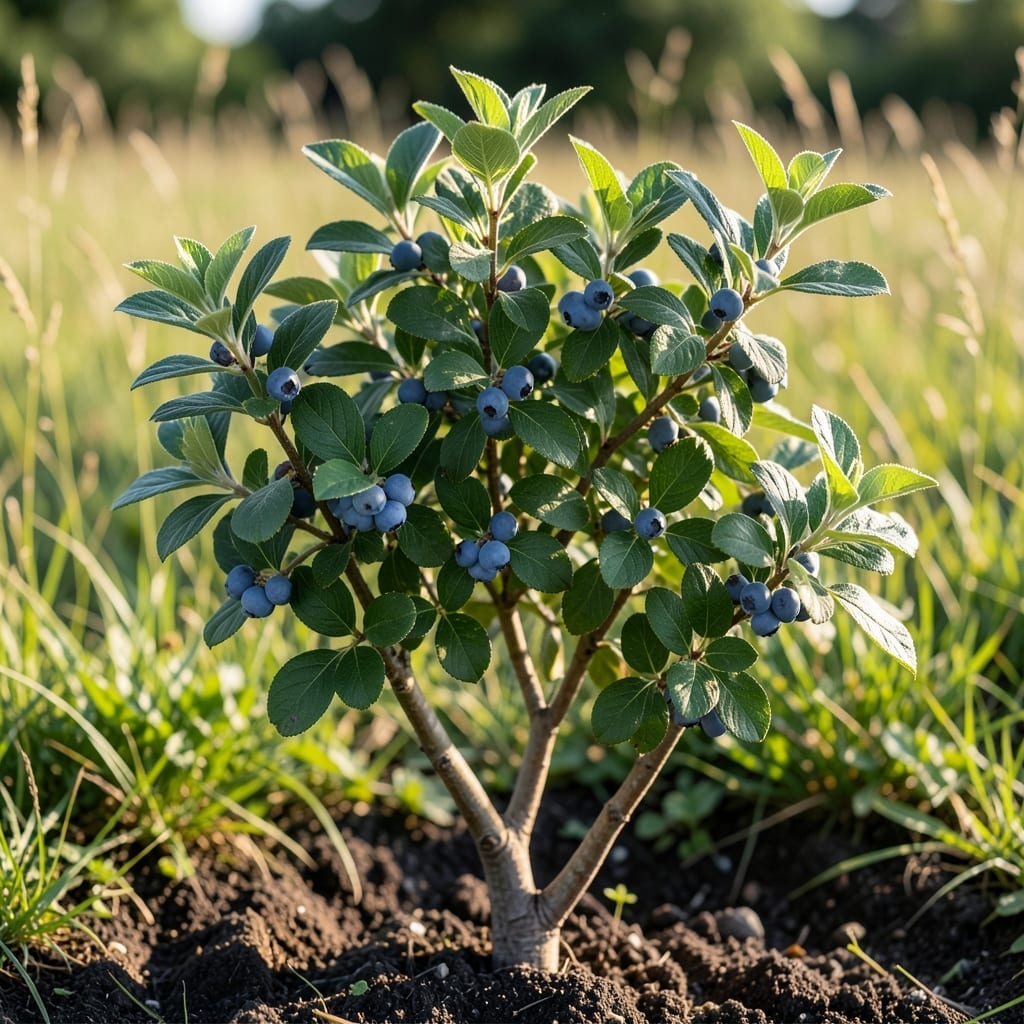
Grow low-chill blueberry varieties like Misty, Sharpblue, or Sunshine Blue in Zone 9. These thrive in warm climates with 150-300 chill hours and produce abundant fruit.
I’ve had great success with these varieties because they’re bred to handle mild winters and hot summers without sacrificing flavor or yield. 🔥 The key is their adapted chill requirements—unlike northern types needing 800+ hours below 45°F, these produce well with far less cold exposure. This makes them perfect for gardeners in regions where frost is rare.
💡 In This Article
Low-chill blueberries thrive in Zone 9 because they require only 150-300 hours below 45°F to break dormancy and set fruit. Varieties like Misty and Sharpblue have been selectively bred to produce well in regions with mild winters, where traditional highbush types would struggle without sufficient cold.
Their genetic adaptation allows them to flower and fruit reliably even when winter temperatures stay relatively warm. 🔥
These varieties also exhibit superior heat tolerance during Zone 9’s long, hot summers. Sunshine Blue, for example, can handle temperatures up to 100°F without significant fruit drop or quality loss. The berries develop a concentrated sweetness in warm climates, often measuring 12-15° Brix (sugar content) compared to northern-grown berries that may be more tart.
Their compact growth habit, typically 3-6 feet tall, makes them ideal for small gardens or containers. ✨
What sets these Zone 9 specialists apart is their extended fruiting season. Misty often produces its first harvest in early spring, with a second flush possible in late summer if conditions are right. The berries tend to be medium-sized (0.5-0.75 inches in diameter) but pack intense flavor.
Their thin skins burst with juice when fresh, yet hold up well for baking or freezing. The plants themselves develop an attractive silvery-green foliage that adds ornamental value to your landscape. 💫
For best results, pair these varieties with acidic soil (pH 4.5-5.5) that mimics their native conditions. They’re also self-pollinating, though planting two different low-chill varieties can increase yields by up to 30%. This cross-pollination leads to larger, more uniform berries. Their shallow root systems benefit from consistent moisture, especially during fruit set and development periods.
⚡
One often overlooked advantage is their disease resistance. These warm-climate varieties show natural resistance to common issues like powdery mildew and root rot, which can plague blueberries in humid Zone 9 environments. This means less reliance on fungicides and more reliable production year after year.
Their adaptability extends to various soil types, as long as proper acidity is maintained. 🌟
Blueberries require acidic soil with a pH between 4.5-5.5. Test your soil first, then amend with elemental sulfur or peat moss. This acidity is crucial for nutrient uptake and healthy growth in warm climates.
Water deeply 2-3 times per week for the first month, then reduce to 1-1.5 inches weekly. Drip irrigation is ideal to keep foliage dry and prevent disease while establishing strong roots.
Low-chill varieties are self-pollinating, but planting two different types can boost yields by up to 30%. Cross-pollination leads to larger, more uniform berries and better overall production.
Aim for 6-8 hours of full sun daily. In intense heat, afternoon shade helps prevent berry scald. Morning sun is especially important for drying foliage and reducing fungal issues.
Use netting as soon as berries start to color. Birds can strip a bush in days. Secure the netting tightly to prevent gaps, and remove it after harvest to allow for air circulation.