
Beautiful Plants For Your Interior
Beautiful Plants For Your Interior
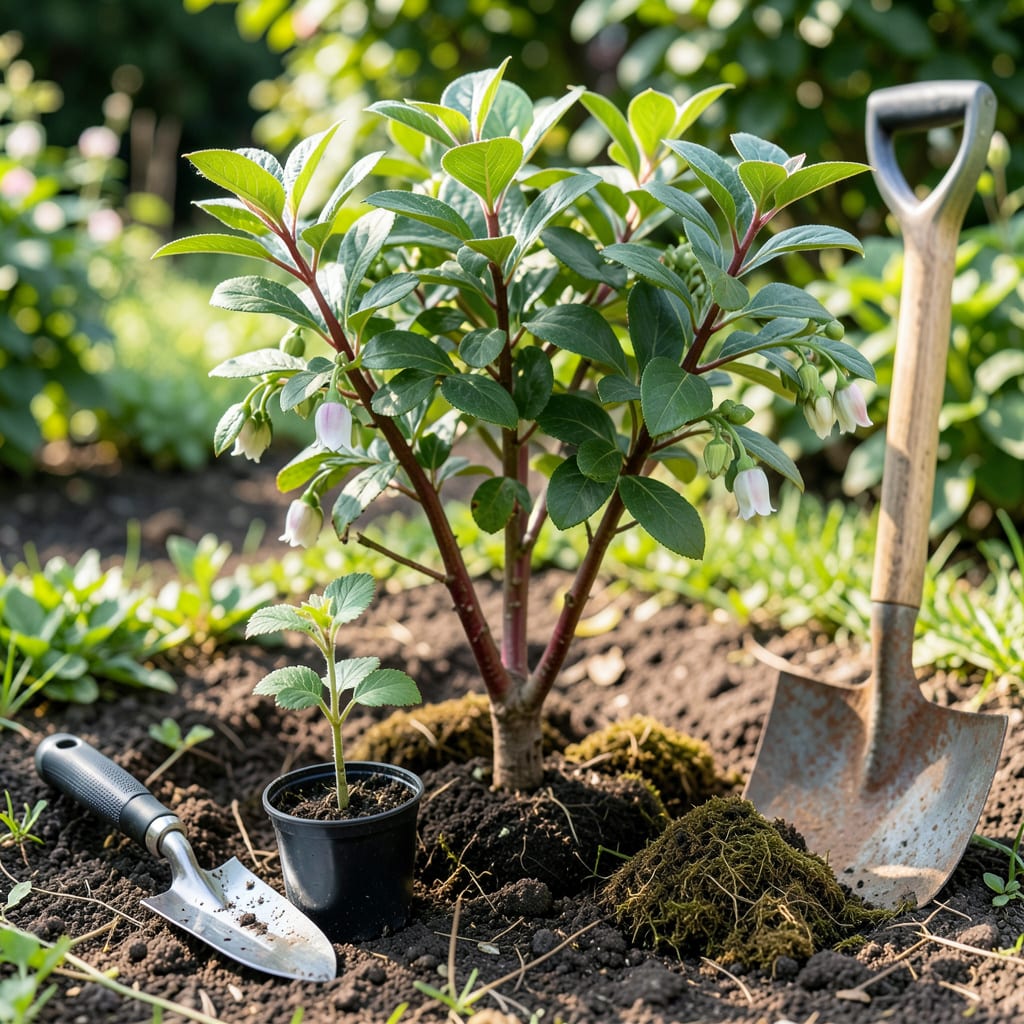
Timing your blueberry planting in Zone 8b can mean the difference between a bountiful harvest and a struggling shrub. I’ve seen gardeners plant too late in spring and watch their 🫐 bushes fight the summer heat—while those who nail the window enjoy juicy berries by early summer.
The secret lies in working with Zone 8b’s mild winters and early springs. We’ll break down the exact months to plant, why soil temperature matters more than calendar dates, and how to avoid the 3 most common mistakes that kill young plants. Let’s get your blueberries off to the strongest start possible.
If you’re growing blueberries in Zone 8b, timing isn’t just important—it’s everything. Plant too early, and a surprise frost could zap your young shrubs. Wait too late, and summer heat will stress them before roots establish. The sweet spot is late fall to early spring, but let’s break it down month by month.
Zone 8b’s mild winters and early springs give us a unique advantage. Unlike colder zones, we can plant bare-root blueberries as early as December—once soil temps dip below 60°F. Container-grown plants? They’re more forgiving, thriving if planted by mid-March. But there’s more to it than just dates.
| Planting Window | Best For | Soil Temp | Notes |
|---|---|---|---|
| December–January | Bare-root plants | 45–55°F | Dormant planting reduces transplant shock. |
| February–March | Container-grown | 50–60°F | Ideal for potted plants; avoid late frosts. |
| April (early) | Last chance | 60°F+ | Riskier—water deeply to combat heat stress. |
Here’s the kicker: Zone 8b’s last frost date is around March 15, but soil temperature matters more. Blueberries need cool roots to establish before summer. I always check soil temps with a thermometer—if it’s consistently below 60°F, it’s go time.
For bare-root plants, December–January is prime time. They’re dormant, so transplant shock is minimal. But if you’re planting container-grown blueberries, wait until February–March. Their roots are already active, so they’ll bounce back faster—just watch for late frosts.
Pro tip: Coastal vs. inland makes a difference. If you’re near the ocean, your microclimate is milder—you can push planting to early April. Inland? Stick to February–March to avoid heat stress. And no matter where you are, mulch heavily to retain moisture.
What about fall planting? It’s risky in Zone 8b. Our first frost isn’t until November 15, but summer heat lingers. If you plant in October–November, roots may not establish before winter. I’ve lost plants this way—stick to late winter/early spring for best results.
Don’t forget soil prep! Blueberries demand acidic soil (pH 4.5–5.5). Test your soil first—amend with peat moss or sulfur if needed. And space plants 4–6 feet apart for airflow. Crowded bushes = fewer berries.
Watering is critical post-planting. Keep soil evenly moist (not soggy) for the first 6–8 weeks. I use a drip irrigation system to avoid wetting the leaves, which can invite fungus. And if you’re planting multiple varieties, stagger them for a longer harvest season.
Finally, resist the urge to fertilize right away. Wait until new growth appears in spring, then use an acid-loving plant fertilizer. Over-fertilizing young plants can burn roots. Patience pays off—your first juicy harvest will be worth the wait! 🪴
Remember, Zone 8b’s long growing season is a gift. Plant at the right time, prep the soil properly, and you’ll be rewarded with pints of sweet blueberries for years. Now grab your shovel—it’s time to get those bushes in the ground! ☀️
Even with perfect timing, Zone 8b blueberries can fail if you overlook key details. I’ve seen gardeners lose entire crops by making avoidable errors—especially when it comes to soil prep, planting depth, and watering habits. Let’s tackle the top three mistakes that sabotage your harvest.
The biggest blunder? Planting in summer heat. Zone 8b’s scorching temps stress young roots, leading to stunted growth or even plant death. Stick to late winter/early spring—when soil is cool and moisture is plentiful. Trust me, your bushes will thank you later.
Blueberries require acidic soil (pH 4.5–5.5). Planting in alkaline soil locks out nutrients, causing yellow leaves and poor growth. Always test your soil first!
2–4 inches of pine bark mulch retains moisture, suppresses weeds, and keeps roots cool. Without it, you’ll battle drought stress and temperature swings.
Newly planted blueberries need zero fertilizer for 6–8 weeks. Too much nitrogen burns roots and delays establishment. Wait until new growth appears in spring.
Another common mistake is planting too deep. The root crown (where roots meet stems) should sit 1–2 inches above soil level. Bury it, and you’ll smother the plant, leading to rot or slow decline. I use a ruler to double-check depth—it’s that important.
Watering errors are just as deadly. Overwatering drowns roots, while underwatering stresses plants. Aim for 1–2 inches per week, delivered via drip irrigation to avoid wetting leaves. In Zone 8b, morning watering is best—it reduces evaporation and fungal risks.
Don’t forget spacing! Crowded blueberries compete for nutrients, leading to smaller berries and poor airflow (which invites disease). Give each bush 4–6 feet of space. For hedgerows, plant 2–3 feet apart but prune aggressively to maintain airflow.
Finally, variety selection matters. Not all blueberries thrive in Zone 8b’s low-chill climate. Stick to rabiteye or southern highbush varieties like ‘Climax’ or ‘Tifblue’—they need fewer chill hours and handle our heat better. Planting the wrong type? That’s a recipe for zero berries.
Fix these mistakes, and you’ll set your blueberries up for decades of production. Remember, healthy plants start with smart choices—from soil to spacing. Now go give those bushes the best possible start! 🌱
Not all blueberries thrive in Zone 8b’s low-chill climate, but the right varieties will reward you with months of sweet harvests. I’ve tested dozens of cultivars, and the winners all share one trait: they need fewer chill hours (150–600) to set fruit. Let’s dive into the top performers for early, mid, and late-season yields.
For early-season berries, ‘Climax’ (rabiteye) is my go-to. It ripens in late May to early June and handles Zone 8b’s heat like a champ. If you want mid-season fruit, ‘Tifblue’ delivers large, flavorful berries in July with minimal fuss. Both are self-pollinating, but planting two varieties boosts yields.
| Variety | Harvest Time | Chill Hours | Flavor Profile | Best For |
|---|---|---|---|---|
| Climax | Late May–June | 350–450 | Sweet-tart, firm | Early harvests |
| Tifblue | July | 400–500 | Rich, balanced | Mid-season reliability |
| Powderblue | July–August | 450–550 | Mild, juicy | Late-season extension |
Need a late-season variety? ‘Powderblue’ keeps producing into August, giving you fresh berries when most bushes have finished. Its powdery bloom also adds ornamental value. For container gardening, ‘Sunshine Blue’ (southern highbush) is a compact powerhouse with 150 chill hours—perfect for patios.
Chill hours matter! Zone 8b’s mild winters mean traditional northern varieties (like ‘Bluecrop’) often fail. Stick to rabiteye or southern highbush types. ‘Premier’ is another winner—its 500 chill hours suit our climate, and its large berries are ideal for fresh eating.
Pro tip: Plant multiple varieties with staggered harvest times. Pair ‘Climax’ (early) with ‘Tifblue’ (mid) and ‘Powderblue’ (late) for 3 months of berries. Space bushes 6 feet apart for airflow, and mulch with pine bark to retain moisture and acidity.
Remember, soil pH (4.5–5.5) is non-negotiable. Test before planting and amend with sulfur or peat moss if needed. With the right varieties and care, you’ll enjoy pints of blueberries from late spring through summer. Now pick your favorites and get planting! 🫐
Not at all! December–January is ideal for bare-root blueberries in Zone 8b. The plants are dormant, so transplant shock is minimal. Just ensure soil temps are below 60°F and mulch well to protect roots from temperature swings.
April is your last chance in Zone 8b, but it’s riskier. Container plants can handle it if you water deeply to combat rising temps. Avoid late April—summer heat stresses young roots. Stick to February–March for the best results.
Ignoring soil pH! Blueberries need acidic soil (4.5–5.5). Planting in alkaline soil causes yellow leaves and stunted growth. Always test your soil and amend with peat moss or sulfur before planting.
Give each bush 4–6 feet of space for proper airflow and growth. Crowded plants compete for nutrients, leading to smaller berries and disease. For hedgerows, plant 2–3 feet apart but prune aggressively to maintain airflow.
No! Newly planted blueberries need zero fertilizer for 6–8 weeks. Too much nitrogen burns roots and delays establishment. Wait until new growth appears in spring, then use an acid-loving plant fertilizer.
