
Beautiful Plants For Your Interior
Beautiful Plants For Your Interior
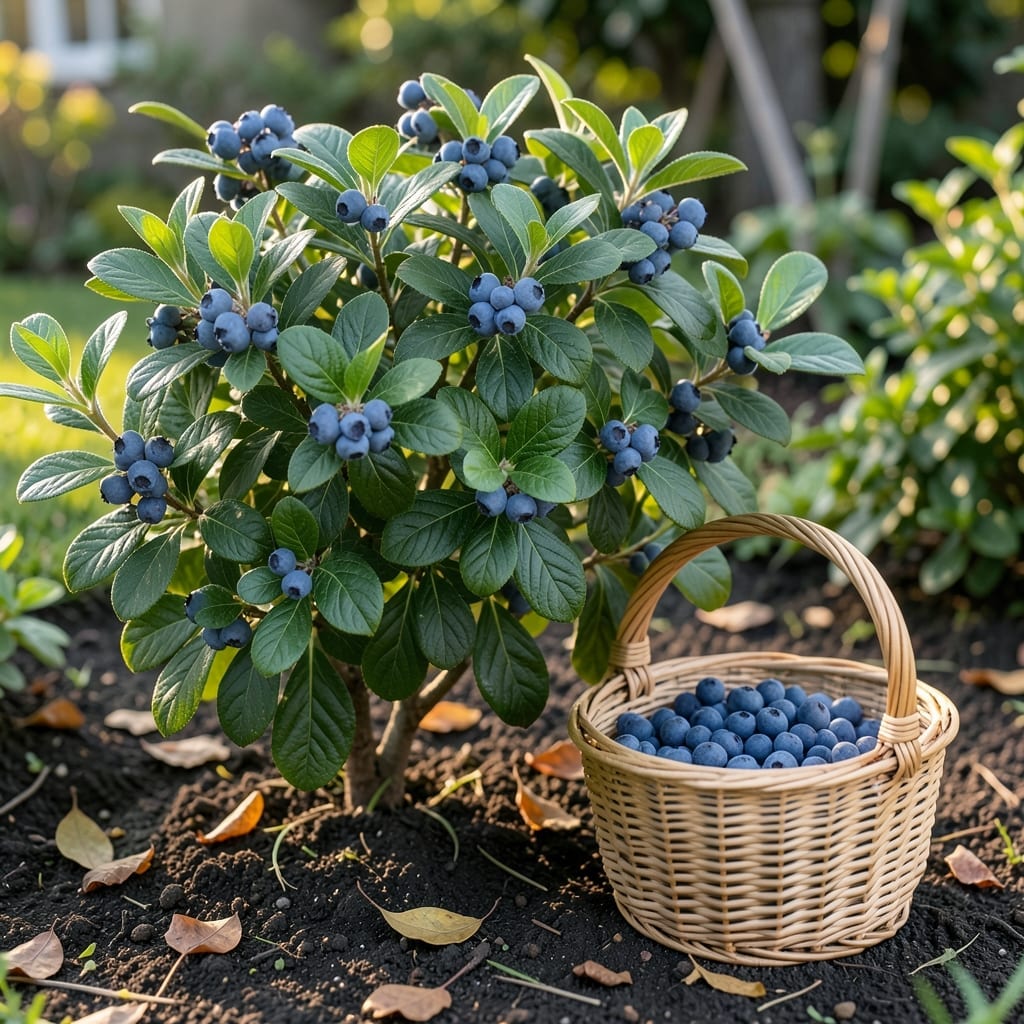
Peru is a major global blueberry producer, with key regions like La Libertad and Lambayeque growing high-quality varieties such as Biloxi and Ventura, known for their sweet flavor and long shelf life.
I’ve noticed these Peruvian berries thrive in the country’s coastal valleys, where the mild climate and well-drained soils create perfect growing conditions. Biloxi and Ventura varieties are especially prized for their ability to maintain freshness during long shipping routes to international markets. This combination of natural advantages and modern farming techniques has propelled Peru to the top of global export rankings. ✨
💡 In This Article
Peru’s coastal valleys offer a unique microclimate with consistent temperatures ranging from 60-75°F year-round, which is ideal for blueberry cultivation. The Andes mountains create a natural barrier that protects these regions from extreme weather, while the Humboldt Current provides cool ocean breezes that moderate the climate perfectly. 🔥
The soil in areas like La Libertad and Lambayeque is naturally acidic (pH 4.5-5.5), which blueberries love. These well-drained, sandy loam soils are rich in organic matter but low in nutrients that could hinder growth. Local farmers have also adopted advanced drip irrigation systems that deliver precise moisture while conserving water in this arid region.
Modern agricultural practices have boosted Peru’s blueberry industry significantly. Many farms use high-density planting with 4,000-6,000 bushes per hectare, which maximizes yield. The country’s counter-seasonal production (October-April) allows it to supply fresh blueberries to Northern Hemisphere markets when local production is dormant. ✨
Export success comes from Peru’s strategic location and infrastructure. The port of Paita in Piura provides direct access to global markets, while cold storage facilities maintain berry quality during transport. The government has also invested in phytosanitary certifications, meeting strict international standards for pesticide residues and food safety. 💫
These factors combine to create blueberries with exceptional characteristics. The Biloxi variety, for example, develops higher sugar content (12-14° Brix) in Peru’s climate, while Ventura berries achieve their signature firmness that withstands long shipping times. This quality consistency has built Peru’s reputation as a reliable supplier of premium blueberries.
Peru’s coastal valleys have year-round 60-75°F temperatures and cool ocean breezes from the Humboldt Current. The Andes also shield crops from harsh weather, creating perfect growing conditions.
Biloxi and Ventura are top picks. Biloxi thrives in containers and needs minimal chilling hours, while Ventura offers disease resistance and firm, flavorful berries.
Modern cold storage and strategic port access (like Paita) maintain quality. Varieties like Ventura are bred for firmness, and advanced packing preserves sweetness for weeks.
Yes! Varieties like Misty tolerate cooler temperatures, while Biloxi adapts to warmer regions. Ensure acidic soil (pH 4.5-5.5) and consistent moisture for best results.