
Beautiful Plants For Your Interior
Beautiful Plants For Your Interior
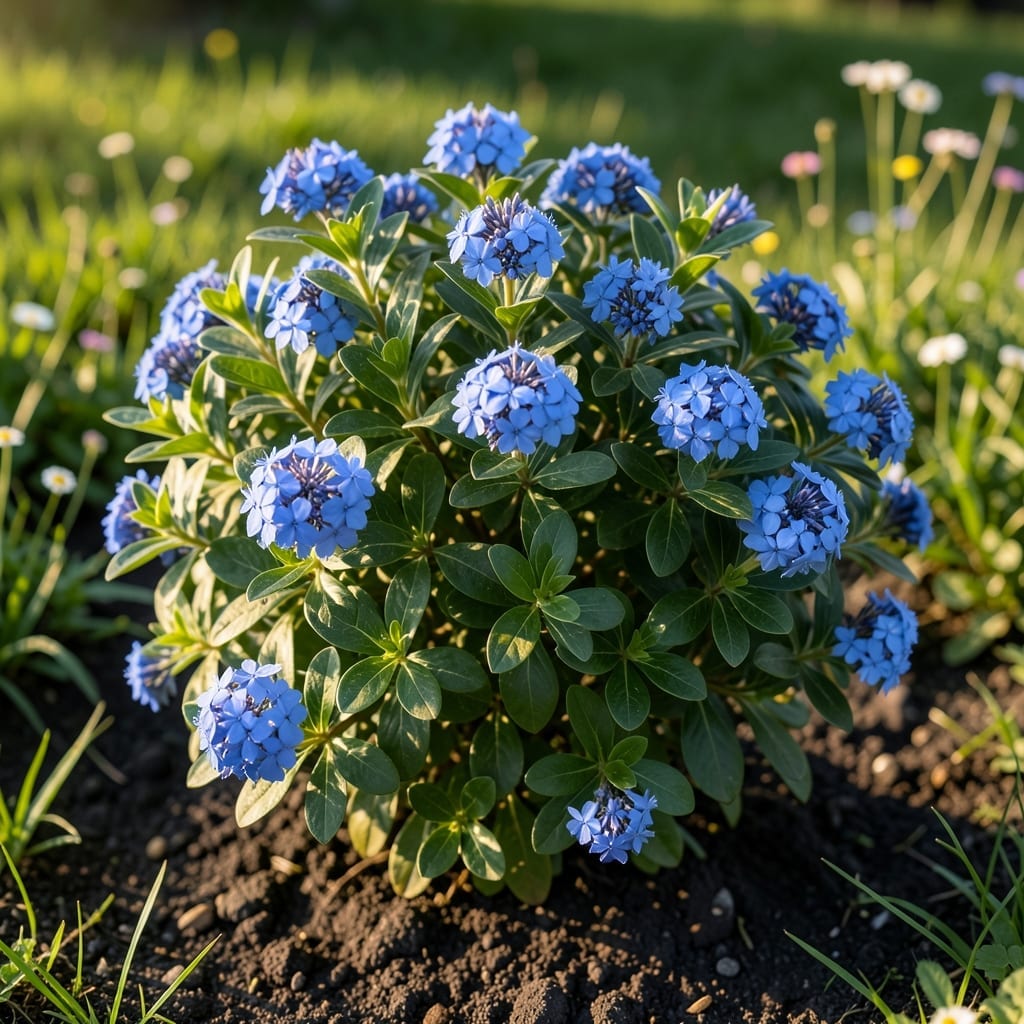
Blue rain in California is a rare meteorological phenomenon caused by dust or pollen scattering sunlight, often linked to wildfire smoke or atmospheric particles creating a blue tint in precipitation.
I’ve seen this happen when wildfire ash or mineral-rich dust gets suspended in the air. Rayleigh scattering then bends the light in a way that gives raindrops a noticeable bluish hue. This optical effect is most visible during sunrise or sunset when the angle of sunlight intensifies the color shift. ✨
For gardeners, these particles can slightly alter soil chemistry or stress sensitive plants, so it’s worth monitoring your garden’s response after such events. 💫
💡 In This Article
The blue hue in rainfall occurs due to Mie scattering, where airborne particles like smoke, dust, or pollen interact with sunlight. Unlike Rayleigh scattering (which makes the sky blue), Mie scattering affects larger particles—typically 0.1 to 10 micrometers in size—that bend light in all directions, creating a visible tint in raindrops.
Wildfires are a major contributor, releasing microscopic ash and soot particles that remain suspended in the atmosphere. These particles can travel hundreds of miles on wind currents. When they mix with water vapor, the resulting droplets scatter shorter blue wavelengths more intensely than other colors. 🔥
Pollen from native California plants like oak or sagebrush can also cause this effect. During peak blooming seasons, pollen counts can exceed 1,000 grains per cubic meter, which is enough to alter how light passes through raindrops.
The effect is most pronounced when the sun is low in the sky, as the light travels through more of these particles.
Atmospheric conditions play a key role too. High humidity and stable air masses allow particles to linger longer, while temperature inversions can trap them near the ground. This is why blue rain is often reported in valleys or basins where air movement is limited. ✨
Scientists measure this phenomenon using aerosol optical depth (AOD) readings. Values above 0.5 indicate enough particulate matter to potentially create visible color changes in precipitation. Satellite imagery has captured these events, showing distinct plumes of particle-rich air correlating with reports of blue rain.
What makes California particularly prone to this are its diverse ecosystems and frequent wildfire activity. The state’s Mediterranean climate creates ideal conditions for both particle generation and the optical effects that follow. 💫
It’s quite rare, typically happening 1-2 times per year in specific regions. Most reports come from areas with frequent wildfires or high pollen counts.
While the blue tint comes from harmless light scattering, the water may contain fine particles. For drinking, filter it first. For plants, it’s generally safe but monitor sensitive species.
Central Valley and coastal areas near wildfire zones report it most often. The San Joaquin Valley’s geography traps particles, making it a hotspot.
Yes, the same particles causing the blue tint can reduce air quality. When AOD exceeds 0.5, consider limiting outdoor activities.