
Beautiful Plants For Your Interior
Beautiful Plants For Your Interior
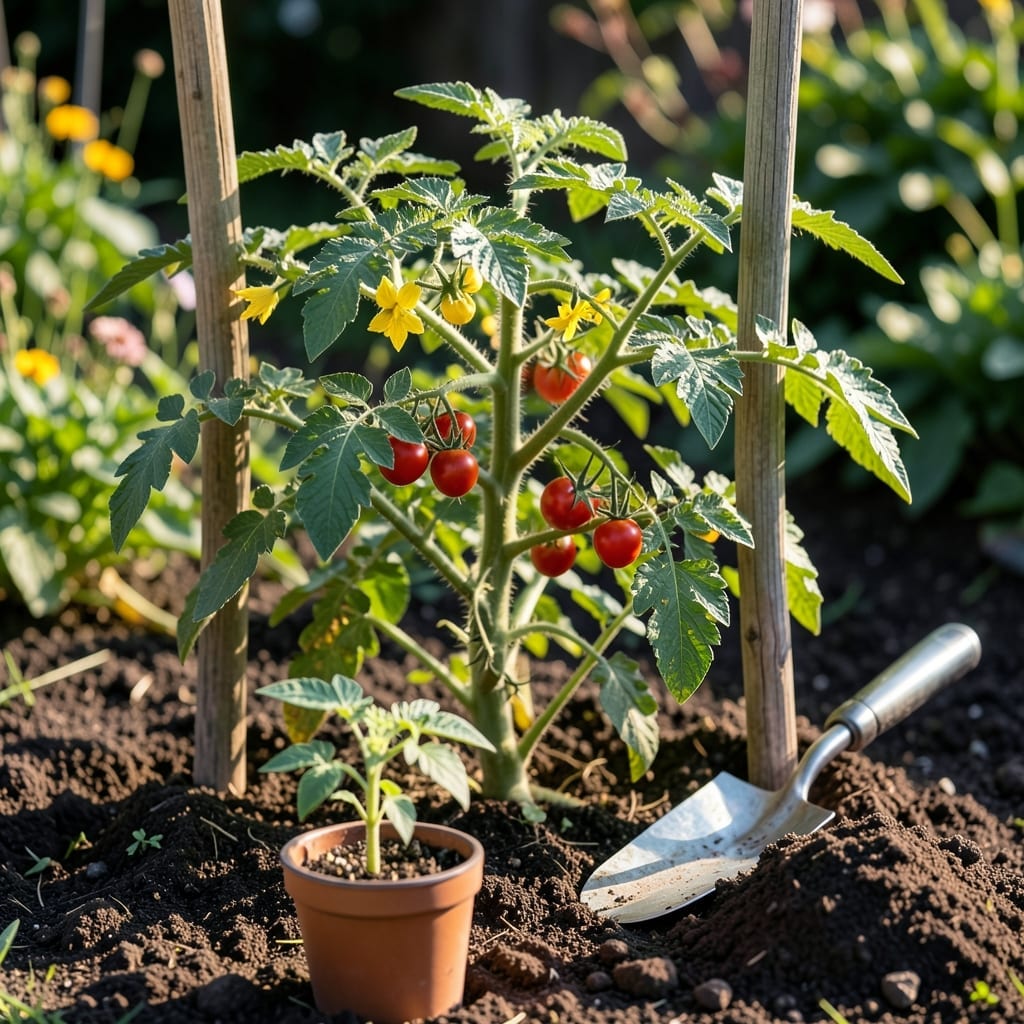
Timing your Tomato planting in California can mean the difference between a bountiful harvest and a disappointing yield. The state’s diverse microclimates make a one-size-fits-all approach impossible.
From the coastal fog of San Francisco to the desert heat of Palm Springs, each region demands its own strategy. I’ve seen gardeners struggle simply because they planted too early or too late for their specific area.
That’s why understanding your local climate zone is the key to success with 🍅 Tomato plants. Whether you’re in Northern, Central, or Southern California, there’s an optimal window waiting for you.
Let me walk you through how to pinpoint that perfect planting time. The results will speak for themselves in your garden.
California’s varied climate means your tomato planting schedule depends heavily on where you live. In Northern California, cooler springs require waiting until late April or May to avoid frost damage to tender plants.
Meanwhile, Southern California gardeners can start as early as February or March, thanks to milder winters and earlier warming. The key is matching your planting date to your specific microclimate.
| Region | Planting Window | Key Consideration |
|---|---|---|
| Northern CA | April-May | Avoid late frosts |
| Central CA | March-April | Moderate spring temps |
| Southern CA | Feb-March | Early warmth |
| Coastal Areas | March-April | Cooler, foggy summers |
For coastal regions, the persistent fog and cooler temperatures mean you’ll want to plant in March or April. These areas often have a longer growing season but require patience at the start.
In inland valleys, where heat builds quickly, early March planting works well. However, watch for unexpected late frosts that can sneak in and damage young plants.
I always recommend using a soil thermometer to check for that magic 60°F mark. Tomatoes won’t thrive in colder soil, and their growth will stall, leaving them vulnerable to disease.
Another critical factor is your last frost date. In most of California, this falls between January 31 and April 15, but desert areas may not see frost at all. Always plant at least 2 weeks after your last expected frost.
Don’t forget about fall planting for a second harvest. In warmer regions, you can plant again in August or September for a late-season crop before winter sets in.
If you’re unsure about your exact zone, the USDA Plant Hardiness Zone Map is an invaluable tool. Most of California ranges from zones 7-10, with deserts in zone 10 and mountainous areas dipping lower.
Finally, remember that microclimates can vary even within a single city. A sunny south-facing wall might warm up faster than a shady north side, allowing for earlier planting in that spot.
By tailoring your approach to your specific region and conditions, you’ll set your tomato plants up for the best possible start 🌱
Choosing the right tomato variety can make all the difference in California’s diverse climate. I’ve found that heat-tolerant types like ‘Heatmaster’ or ‘Solar Fire’ thrive in the scorching inland valleys.
For coastal areas with cooler summers, ‘Stupice’ and ‘Oregon Spring’ are excellent choices. These varieties handle the fog and milder temperatures while still producing abundant fruit.
If you’re in a drought-prone area, consider ‘Sioux’ or ‘Nebraska Wedding’. These varieties are known for their low water needs without sacrificing yield.
For gardeners with limited space, determinate varieties like ‘Roma’ or ‘Patio Princess’ stay compact. They’re perfect for containers on balconies or small yards.
I always recommend checking the days to maturity on seed packets. In shorter-season areas, stick to varieties that mature in 70 days or less to ensure a full harvest before cooler weather arrives.
Don’t forget about heirloom varieties for unique flavors. ‘Brandywine’ and ‘Green Zebra’ are favorites, though they may need extra care. Their taste makes the effort worthwhile!
By selecting varieties matched to your region’s strengths, you’ll enjoy a thriving tomato garden all season long 🌱