
Beautiful Plants For Your Interior
Beautiful Plants For Your Interior
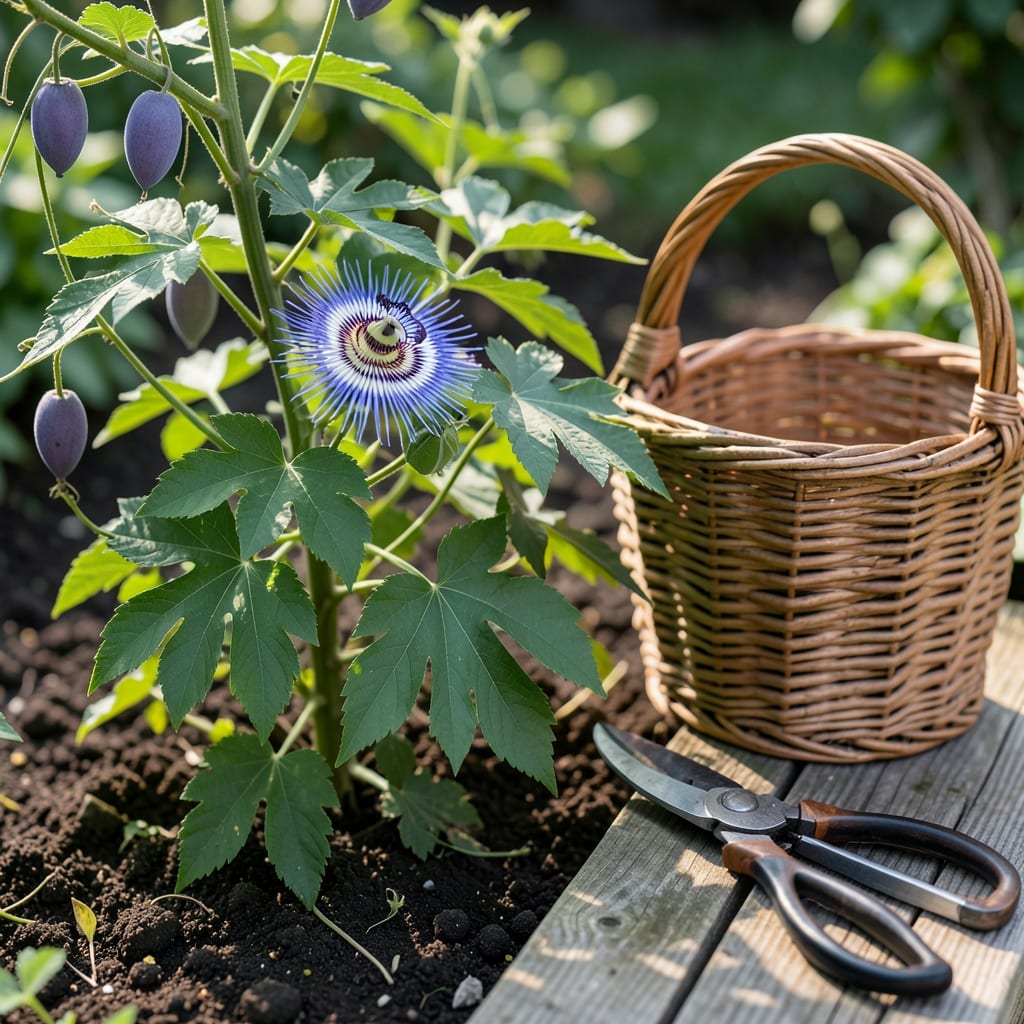
Yes, the fruit of the blue passion flower is edible when fully ripe, offering a sweet, tropical flavor. However, unripe fruit and other plant parts may contain toxic compounds, so proper identification and ripeness are crucial.
I always check for deep purple skin and a slight softness to confirm ripeness. The cyanogenic glycosides in unripe fruit can cause serious harm, so I never consume anything that isn’t fully mature. Even the leaves and stems can be problematic, so I stick to the fruit only when it’s ready. 🔥
For best results, harvest when the fruit falls naturally from the vine. 🌟
💡 In This Article
Ripe blue passion flower fruit develops a deep purple-black skin that appears wrinkled when fully mature. The flesh inside transforms from white to a translucent, jelly-like consistency with a sweet, citrusy aroma. This color shift signals the breakdown of cyanogenic glycosides, the toxic compounds that can release cyanide in unripe fruit. 🔥
Unripe fruit remains green or yellow and feels firm to the touch. These contain up to 50mg of cyanogenic glycosides per 100g of pulp, which can cause nausea, vomiting, or worse if consumed. The leaves and stems also contain these compounds, making them unsafe to eat under any circumstances.
Always verify the fruit has fallen naturally from the vine before considering consumption. ✨
The edible portion is the pulpy aril surrounding the seeds. Each fruit typically measures 1.5-2 inches in diameter and weighs about 10-15 grams. The skin, while not toxic when ripe, has a tough texture that most people discard. The seeds are technically edible but often spit out due to their hard, crunchy nature. 💫
Proper identification requires checking multiple factors: color transition from green to purple, slight softness when gently squeezed, and a strong, sweet fragrance. Even one unripe fruit in a batch can pose risks, so I examine each individually. The plant’s scientific name, Passiflora caerulea, helps confirm you’re looking at the right species. ⚡
In tropical regions where these grow natively, locals often wait for the fruit to drop before collecting. This natural detachment indicates peak ripeness. The flavor profile resembles a mix of guava and citrus, with a tropical sweetness that intensifies as the fruit matures. The jelly-like texture makes it perfect for spooning directly from the shell.
🌟
Look for deep purple-black skin that appears wrinkled. The fruit should feel slightly soft when gently squeezed and emit a sweet, citrusy aroma.
Never eat the leaves, stems, or unripe fruit. These contain cyanogenic glycosides that can release cyanide. Only the ripe pulp is safe.
Keep uncut fruit in a paper bag at room temperature for up to 3 days. Once opened, store pulp in an airtight container in the fridge for 2-3 days.
The seeds are technically edible but have a hard, crunchy texture that many find unpleasant. They’re often spit out or strained from the pulp.