
Beautiful Plants For Your Interior
Beautiful Plants For Your Interior
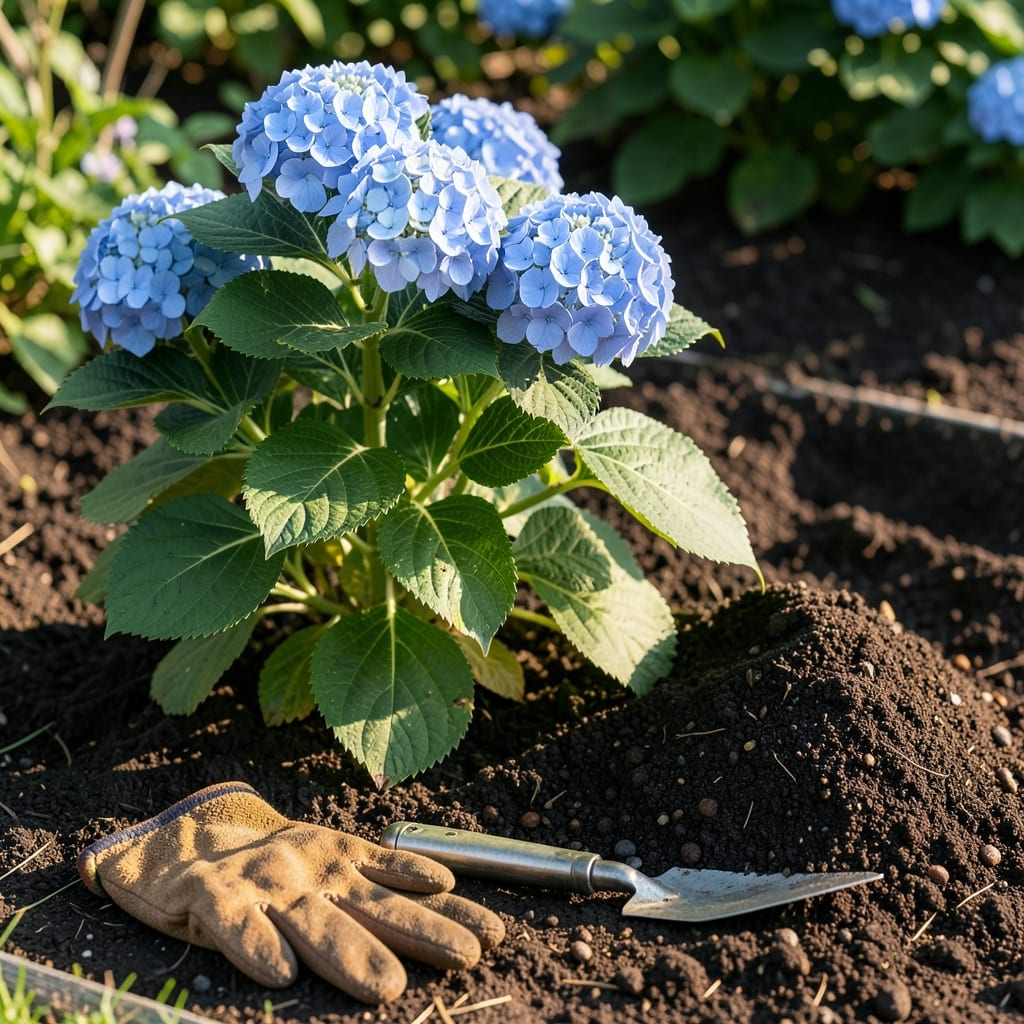
Coffee grounds can help turn hydrangeas blue by increasing soil acidity, but they work best when combined with other amendments like aluminum sulfate for consistent color change.
I’ve seen this method work best in gardens where the soil was slightly alkaline to begin with. The acidity from coffee gradually lowers the pH, which unlocks aluminum in the soil that hydrangeas absorb to produce those vibrant blue tones. For faster results, I mix in 1 tablespoon of aluminum sulfate per gallon of water along with the grounds. 🌟
💡 In This Article
Coffee grounds lower soil pH through their natural acidity, typically measuring between 6.2-6.8 on the pH scale. As they decompose, they release organic acids that gradually shift the soil toward the acidic range (5.0-5.5), which is ideal for blue hydrangea blooms. This process takes 2-4 months as microorganisms break down the grounds. 🔥
Bigleaf hydrangeas contain delphinidin-based pigments that change color based on aluminum availability. In acidic soil, aluminum becomes soluble and is absorbed by the plant, binding with delphinidin to produce blue flowers. Without sufficient acidity, the aluminum remains locked in the soil, resulting in pink blooms. ✨
The color change isn’t immediate because existing flower buds have already formed their pigment. New growth requires time to absorb the altered soil chemistry. You’ll typically see the first blue blooms in the following growing season, with the most dramatic changes appearing in 2-3 years of consistent treatment. 💫
Soil composition plays a crucial role in how effective coffee grounds are. Sandy soils respond faster to pH changes, while clay soils may require additional amendments. Testing your soil pH with a kit helps track progress—aim for readings below 6.0 to ensure aluminum uptake. 🌟
What most gardeners don’t realize is that fresh coffee grounds are more acidic than used ones. Fresh grounds can be too potent, potentially harming plants. Used grounds are gentler, making them safer for regular application around hydrangeas. ⚡
Apply a thin 1/2-inch layer every 4-6 weeks during growing season. This gradual approach prevents soil pH from dropping too quickly, which could stress your plants. Always water thoroughly after application.
It may take 2-3 years to see results as existing flower buds don’t change. Test your soil pH—if it’s above 6.0, you may need to add aluminum sulfate for faster color change. Sandy soils respond quicker than clay.
Fresh grounds are more acidic and may harm plants. Used grounds are gentler and safer for regular use. If using fresh, compost them first with other organic matter to mellow their potency.
Make a coffee ground “tea” by steeping 2 cups in 5 gallons of water for 24-48 hours. This liquid delivers acidity evenly throughout the root zone when used to water your plants.