
Beautiful Plants For Your Interior
Beautiful Plants For Your Interior
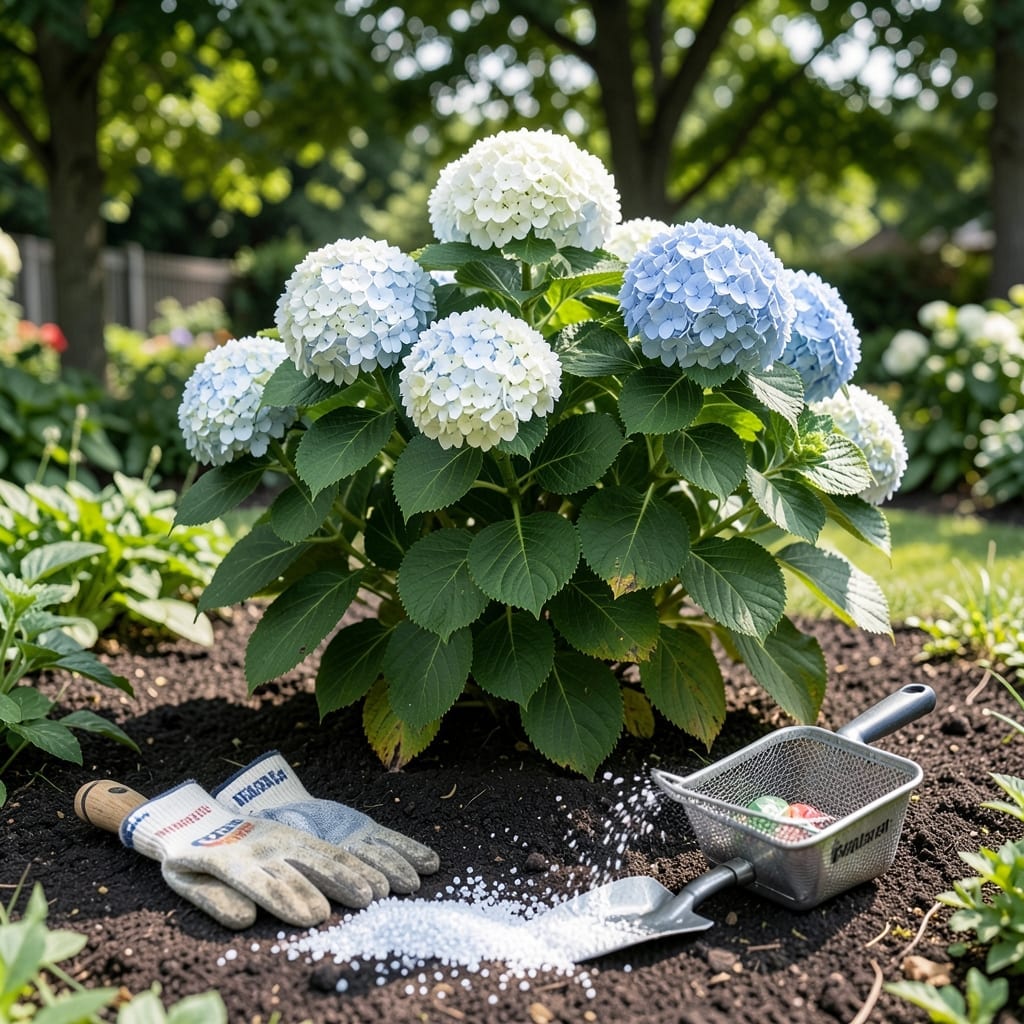
Aluminum sulfate is highly acidic with a pH around 2.0 to 3.0, making it effective for lowering soil pH quickly when used in gardening applications.
I’ve seen this compound work wonders in hydrangea gardens, where the acidity helps turn blooms that vibrant blue we all love. It releases hydrogen ions when dissolved in water, which is what shifts the soil chemistry so effectively. Just remember, a little goes a long way—too much can overshoot your target pH and stress plants. 🌟
💡 In This Article
The chemical reaction starts the moment aluminum sulfate hits water. It dissociates into aluminum ions and sulfate ions, but the real pH drop comes from the aluminum ions reacting with water molecules to release hydrogen ions. This process is called hydrolysis, where each aluminum ion can generate multiple hydrogen ions, significantly increasing soil acidity. 🔥
What many don’t realize is that aluminum sulfate works faster than alternatives like elemental sulfur. While sulfur requires soil bacteria to convert it to sulfuric acid (a process taking weeks or months), aluminum sulfate begins working immediately upon application.
A single pound can lower soil pH by about 0.5 units in a 10 sq ft area, depending on your soil’s buffering capacity. ⚡
This rapid action makes it ideal for quick corrections, especially when preparing beds for acid-loving plants. I’ve used it successfully for blueberries, which thrive in soils with pH between 4.5-5.5. The aluminum ions also help improve phosphorus availability in acidic conditions, which benefits root development. ✨
However, the reaction isn’t without its nuances. The aluminum ions can bind with organic matter in the soil, potentially reducing the total acidifying effect over time. This is why soil testing before and after application is crucial – it helps you adjust the amount precisely to your garden’s needs. 🌟
For best results, apply aluminum sulfate when soil is moist but not waterlogged. The water helps distribute the compound evenly and activates the chemical reaction. In dry conditions, the sulfate may sit on the surface without properly incorporating into the soil profile. 💫
It begins working immediately upon contact with water. You’ll typically see a pH drop within 1-2 weeks, much faster than elemental sulfur which can take months. This makes it ideal for quick corrections before planting.
Acid-loving plants like blueberries, azaleas, and hydrangeas thrive with it. For hydrangeas, it can even turn blooms from pink to blue. Always test soil first to avoid over-acidifying.
Over-application can cause aluminum toxicity, leading to stunted growth and yellowing leaves. It may also leach essential nutrients like calcium and magnesium from the soil.
Never combine it with lime or other alkaline materials. This creates chemical reactions that neutralize both products. Apply amendments separately, with at least 2 weeks between applications.