
Beautiful Plants For Your Interior
Beautiful Plants For Your Interior
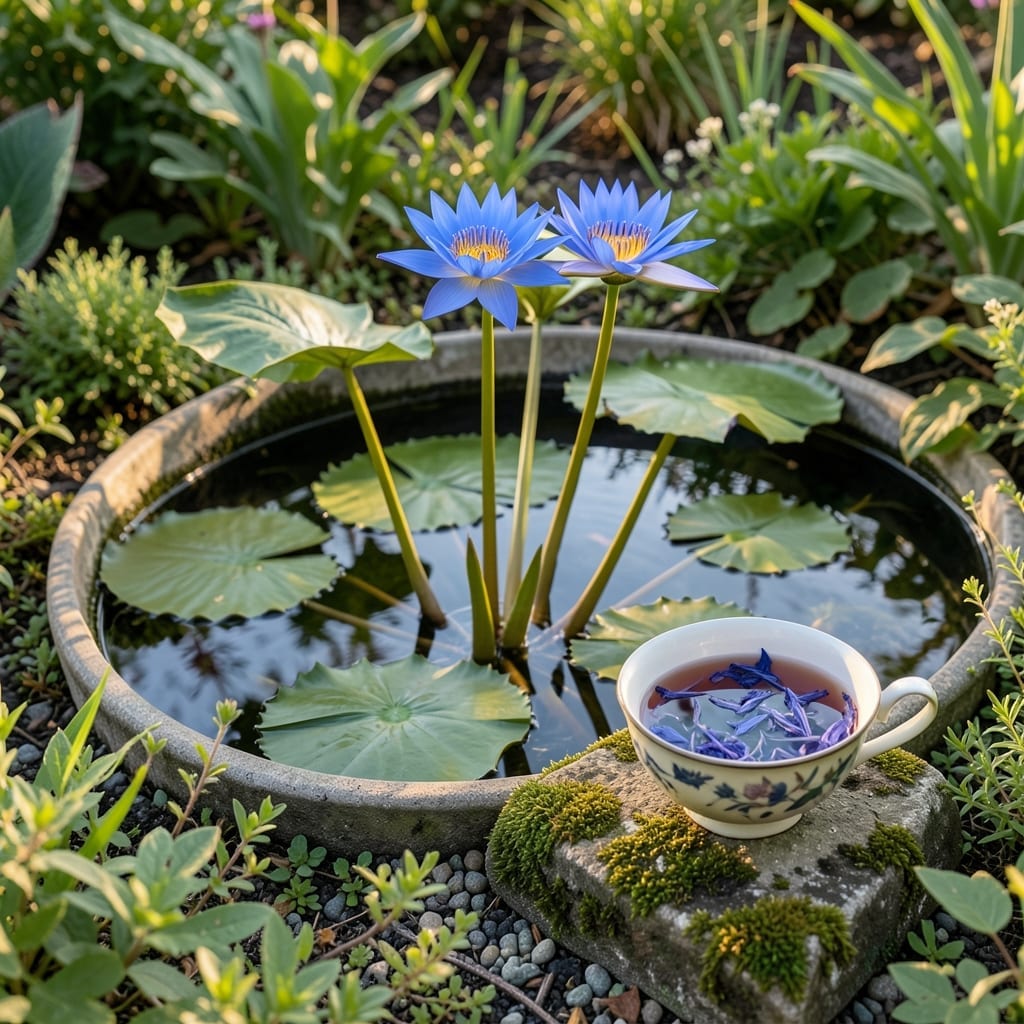
Blue Egyptian water lily tea offers calming effects, aids digestion, and is rich in antioxidants. Traditionally used for relaxation and as a natural sleep aid, it has a mild, floral flavor.
I love how this ancient remedy combines soothing properties with digestive support, making it a favorite in traditional wellness practices. Its antioxidant content helps combat daily stress, while the gentle floral notes create a truly unique drinking experience. This tea has been valued for centuries, not just for taste but for its ability to promote restful sleep naturally. ✨
💡 In This Article
Ancient Egyptians revered the blue lotus (Nymphaea caerulea) as a sacred plant with divine properties. Priests and pharaohs used it in religious ceremonies to induce a meditative state, believing it opened a direct channel to the gods.
The flower’s psychoactive alkaloids, including nuciferine and aporphine, were known to create mild euphoria and deep relaxation without the intensity of modern stimulants. 🌟
Historical records show blue lotus was steeped in wine or hot water, then consumed during rituals and as a daily tonic. The Egyptians documented its use in the Ebers Papyrus (1550 BCE), one of the oldest known medical texts, where it was prescribed for anxiety, insomnia, and digestive discomfort.
The tea’s mild bitterness balanced its floral aroma, making it palatable even in ancient times.
In traditional medicine, practitioners valued it for its ability to soothe the nervous system. Unlike opium poppy, which was also used, blue lotus provided gentle relief without heavy sedation. Archaeological evidence from tombs shows dried flowers stored in ceremonial jars, proving its importance in both spiritual and medicinal practices. ✨
The preparation method mattered greatly to the Egyptians. They often combined the flowers with honey or dates to enhance flavor and absorption. Modern research confirms these ancient practices—studies show the flower’s compounds are more bioavailable when consumed with natural sugars, just as the Egyptians intuitively understood centuries ago.
What’s fascinating is how this tradition spread. From Egypt, blue lotus use traveled to Greek and Roman cultures, where it became associated with the god Dionysus and was used in banquets. The consistent thread across civilizations was its reputation as a safe, natural way to unwind and connect with the spiritual realm. 💫
In moderation, yes. Limit to 1-2 cups per day to avoid potential mild drowsiness. Always consult a healthcare provider if you’re pregnant, nursing, or on medication.
It has a delicate, slightly sweet floral flavor with subtle earthy undertones. Adding honey enhances the natural sweetness, while lemon brings out the aromatic notes.
The calming effects typically begin within 20-30 minutes and last for 2-4 hours. The duration varies based on individual metabolism and dosage.
Fresh flowers can be used but require about 3 times the amount of dried. Ensure they’re pesticide-free and thoroughly cleaned before steeping.
Blue Egyptian water lily is commonly referred to as blue lotus. The names are often used interchangeably in herbal tea contexts.