
Beautiful Plants For Your Interior
Beautiful Plants For Your Interior
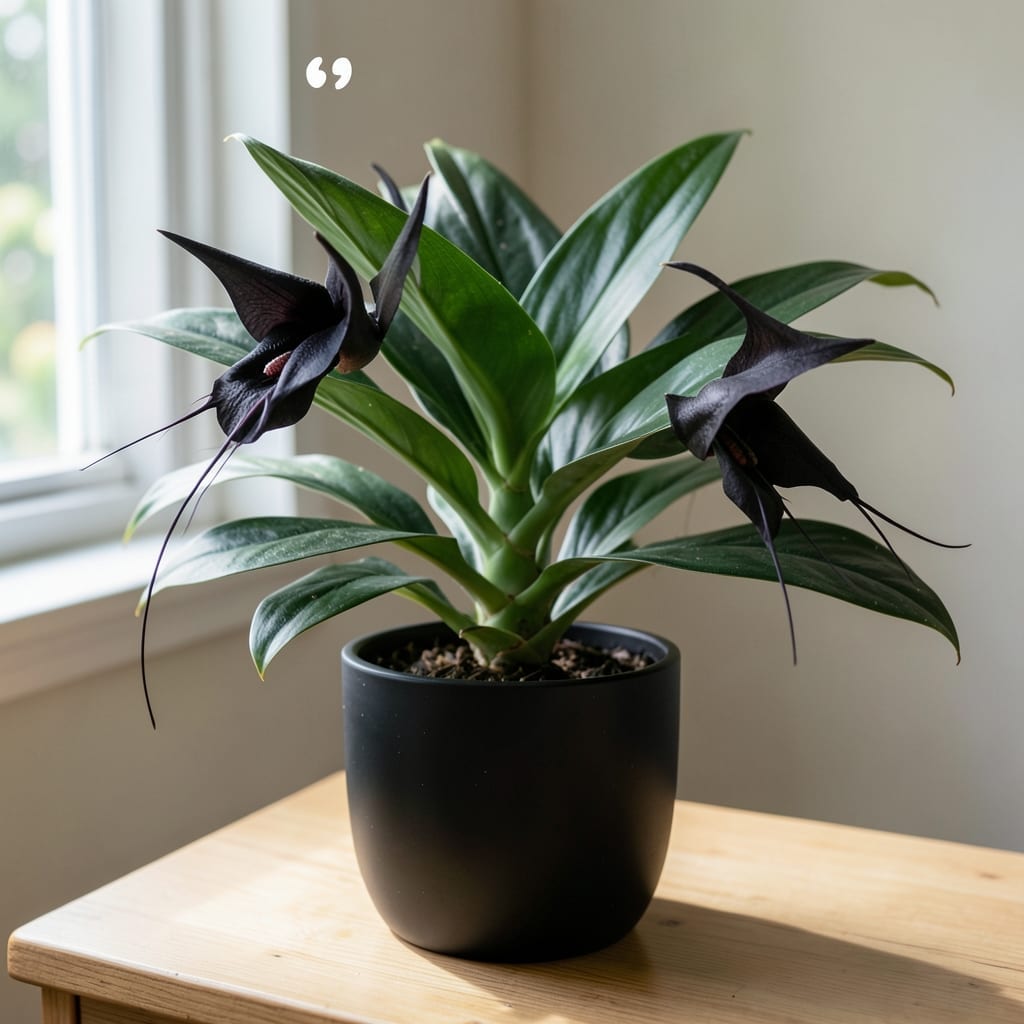
The blue and black plant, also known as Black Adder agastache, features striking dark purple-black foliage with vibrant blue flower spikes, thriving in full sun and well-drained soil.
I love how this plant stands out in any garden with its unique color contrast and tall, upright growth habit. 🌟 It attracts pollinators like bees and butterflies, making it a great choice for eco-friendly landscapes. The dark foliage also helps hide dust and imperfections, keeping your garden looking pristine with minimal effort.
💡 In This Article
The Black Adder agastache’s dark foliage comes from high anthocyanin concentrations. These pigments create the deep purple-black leaves that appear almost black in full sun. The contrast with its 1-2 foot tall blue flower spikes makes it visually striking. 🔥
Its leaves are lance-shaped and slightly aromatic, releasing a minty scent when crushed. The flowers bloom in dense, bottlebrush-like clusters from mid to late summer. This growth pattern differs from other agastache varieties that may have more spread-out blooms.
You’ll notice the stems are square-shaped, a hallmark of the mint family (Lamiaceae) to which it belongs. The plant maintains an upright, bushy form without staking. Its mature width reaches 18-24 inches, making it ideal for mid-border placement. ✨
Unlike some ornamental plants, Black Adder’s dark foliage persists throughout the growing season. The color intensifies with more sun exposure, while the blue flowers attract pollinators for 6-8 weeks. This extended bloom time exceeds many perennial competitors. 💫
The plant’s texture adds another layer of interest. The slightly fuzzy leaves create a velvety appearance that contrasts with the smooth flower stems. This tactile difference helps distinguish it from lookalike plants in the garden. 🌟
High anthocyanin pigment concentrations create the deep purple-black leaves. The color intensifies in full sun, often appearing nearly black at a glance. This natural pigmentation also provides some drought resistance.
Black Adder agastache reaches 1-2 feet in height with a spread of 18-24 inches. Its upright growth habit makes it perfect for mid-border placements without requiring staking.
Aim for a slightly acidic to neutral range between 6.0-7.5. Mixing in 2-3 inches of compost at planting improves drainage and fertility. This adaptable plant tolerates various soil types.
Water deeply 1-2 times weekly the first season. Once established, weekly watering suffices, letting the top 1 inch of soil dry between sessions. Mulching helps retain moisture.
The blue flowers draw bees and butterflies for 6-8 weeks each summer. Its long bloom period makes it a pollinator favorite while adding vibrant color to your garden.