
Beautiful Plants For Your Interior
Beautiful Plants For Your Interior
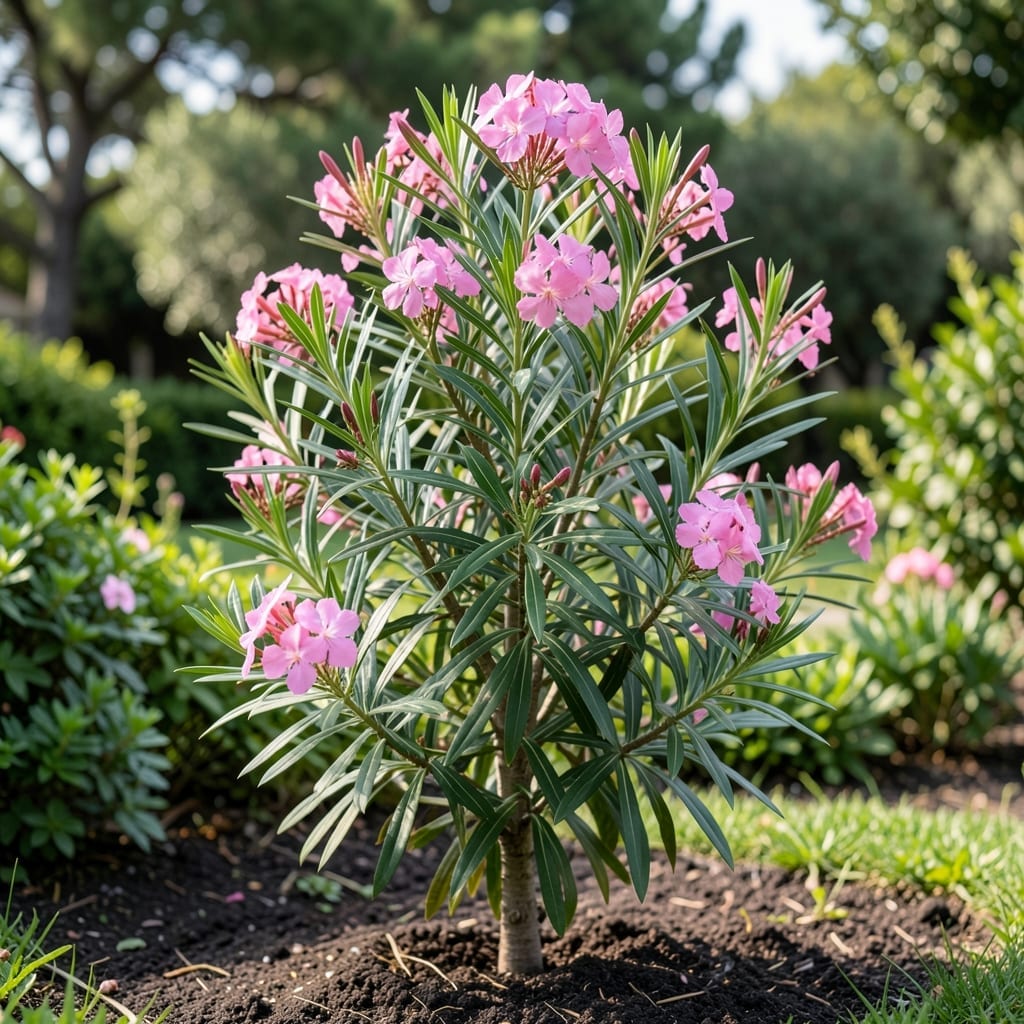
Zone 9 gardeners can enjoy continuous color with shrubs like crape myrtle, hibiscus, and abelia, which thrive in the warm climate and offer varied bloom times from spring to fall.
I love how these shrubs handle the heat while keeping gardens vibrant. Crape myrtle brings summer fireworks, hibiscus offers tropical flair, and abelia bridges seasons with its long-lasting blooms. They’re low-maintenance yet deliver high visual impact year after year. ✨
For even more diversity, consider adding butterfly bush or oleander—both excel in Zone 9 and attract pollinators. 🔥
💡 In This Article
Zone 9’s warm winters and scorching summers create a unique challenge, but these shrubs have evolved specific adaptations. Crape myrtles, for instance, develop thick, peeling bark that acts as natural sunscreen, reflecting up to 30% of solar radiation.
This bark also insulates the cambium layer, protecting it from temperature swings that can reach 100°F+ in peak summer. 🔥
Hibiscus thrives thanks to its deep root systems, which can extend 3-4 feet underground. These roots tap into cooler, moister soil layers, allowing the plant to survive drought periods that might kill less-adapted species. The waxy coating on hibiscus leaves also reduces water loss by 40-50% compared to non-waxy foliage. ✨
Abelia’s secret lies in its semi-evergreen nature. While it may drop some leaves in winter, it retains enough foliage to continue photosynthesis during mild Zone 9 winters. Its small, glossy leaves have a higher surface-area-to-volume ratio, which helps with heat dissipation. This adaptation allows abelia to bloom intermittently even during warmer winter months. 🌟
Soil tolerance sets these shrubs apart too. They handle Zone 9’s often clay-heavy or sandy soils with ease. Crape myrtles prefer slightly acidic to neutral pH (6.0-7.0), while hibiscus and abelia tolerate a wider range (5.5-7.5).
All three can thrive in poor soils as long as drainage is adequate, preventing root rot during sudden summer downpours. ⚡
Their bloom cycles are perfectly synchronized with Zone 9’s growing season. Crape myrtles typically flower from June to September, hibiscus from May to October, and abelia from late spring to frost. This staggered timing ensures continuous color without the need for constant replanting.
These adaptations mean less work for gardeners. Once established, these shrubs require minimal irrigation—often just 1-2 deep waterings per week during dry spells. Their natural resilience reduces the need for pesticides or fertilizers, making them ideal for low-maintenance Zone 9 landscapes. 💫
Once established, water 1-2 times per week during dry spells. New plantings need more frequent watering—2-3 times weekly for the first 2-3 months. Always water deeply at the base.
Dwarf varieties like miniature crape myrtle or dwarf hibiscus thrive in large pots (15-20 gallons). Ensure containers have drainage holes and use quality potting mix.
Well-draining soil is key. Amend heavy clay or sand with compost. Aim for slightly acidic to neutral pH (6.0-7.0) for most shrubs.
Hibiscus, butterfly bush, and abelia are pollinator magnets. Plant near each other to create a buzzing, colorful garden oasis.
Prune spring bloomers like azalea right after flowers fade. Summer bloomers like crape myrtle can be trimmed in late winter. Never prune more than 1/3 of the plant at once.