
Beautiful Plants For Your Interior
Beautiful Plants For Your Interior
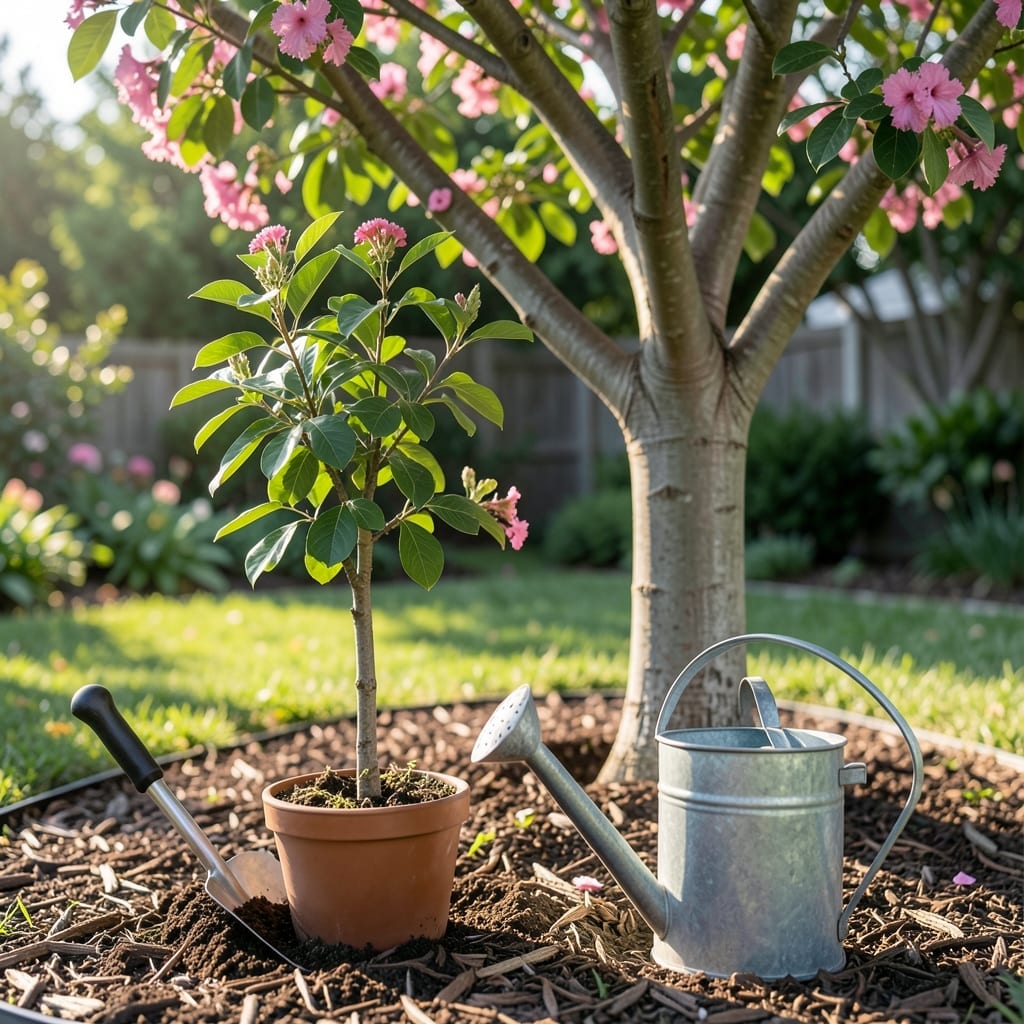
Timing is everything when planting Crape Myrtles in Virginia—plant too early or too late, and you risk stunting growth or losing your investment to frost.
As a Virginia gardener, you know our 7b-8a climate brings unique challenges. The 🌸 Crape Myrtle thrives when given the right start, and that begins with knowing your zone’s ideal window.
I’ve seen firsthand how planting at the optimal time transforms struggling saplings into vibrant, blooming trees. The difference is remarkable and entirely within your control.
Let me walk you through the seasonal cues and preparation steps that ensure your Crape Myrtle not just survives, but flourishes in Virginia’s conditions.
Virginia spans USDA zones 6a-8a, each with slightly different ideal windows. In zone 7b, where most Virginia gardeners live, the sweet spot is mid-April to early June after the last frost.
For zone 6a areas like the mountains, wait until late April when soil temps hit 60°F. In warmer zone 8a regions near the coast, you can start as early as late March. 🌱
| Zone | Ideal Planting Window | Last Frost Date | Soil Temp |
|---|---|---|---|
| 6a | Late April – May | April 15-30 | 60°F+ |
| 7a | Mid-April – June | April 1-15 | 55°F+ |
| 7b | Early April – June | March 25-April 10 | 55°F+ |
| 8a | Late March – June | March 15-25 | 50°F+ |
Fall planting is possible but riskier. If you choose this route, aim for September to early October to give roots 6-8 weeks before the first frost.
I always recommend spring planting for beginners. The warmer soil and longer growing season give your crape myrtle the best chance to establish strong roots before winter.
The soil temperature is your best indicator. Use a soil thermometer to check—55-60°F is perfect. Planting in colder soil can shock the roots and stunt growth.
Virginia’s humid summers mean your new planting will need consistent watering the first year. I water my young crape myrtles deeply twice weekly during dry spells.
For container-grown plants, you have more flexibility. These can go in the ground anytime during the growing season as long as you avoid extreme heat or cold. 🌿
Remember that microclimates matter. Urban areas and south-facing slopes warm up faster. If you’re in a sheltered spot, you might plant 1-2 weeks earlier than the general zone guidelines.
I’ve found that mulching with 2-3 inches of organic material helps maintain soil temperature and moisture, giving your new crape myrtle a stronger start in Virginia’s variable climate. ☀️
Virginia gardeners often debate spring vs. fall for planting crape myrtles. Both seasons work, but each offers distinct advantages and challenges for root establishment and growth.
I’ve tested both approaches in my own garden. Spring planting gives your tree the entire growing season to establish roots, but fall planting can reduce stress from summer heat. Let’s compare the trade-offs.
Spring planting is ideal if you can commit to consistent watering. The warmer soil of April-May encourages rapid root development before summer heat arrives.
Fall planting works well in September-October if you plant at least 6 weeks before the first frost. This gives roots time to anchor before winter dormancy.
In my experience, spring-planted crape myrtles often outperform fall-planted ones in their first year. But if you miss the spring window, don’t hesitate to plant in early fall.
Remember, Virginia’s humidity means both seasons require good drainage to prevent root rot. Choose your timing based on your schedule and weather forecasts.
Either way, proper mulching and consistent moisture are key to success 🌳