
Beautiful Plants For Your Interior
Beautiful Plants For Your Interior
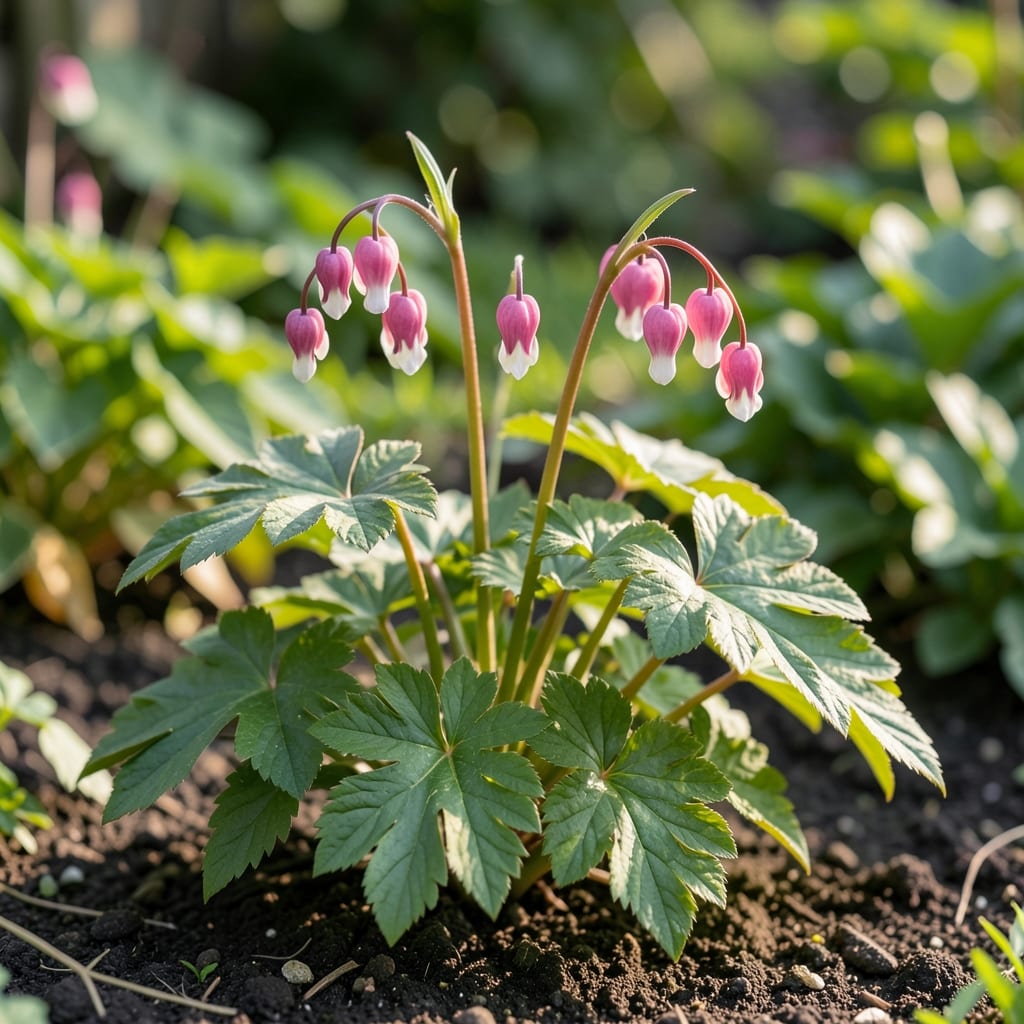
Bleeding heart plants thrive in USDA hardiness zones 3 through 9, with most varieties flourishing in zones 4-8. They prefer partial shade and consistently moist, well-drained soil.
I’ve grown these beauties in zone 5 with great success—they bounce back each spring with minimal fuss. The key is mimicking their native woodland habitat, where dappled sunlight and rich organic matter keep roots happy. Even in warmer zones like 8, afternoon shade prevents leaf scorch during summer heat. 🌿
💡 In This Article
The USDA zone system maps winter lows, and bleeding hearts handle -40°F to 30°F extremes. In zone 3, they need heavy mulch to survive subzero temps, while zone 9 plants may struggle with summer heat above 90°F. This range reflects their native habitat in cool, shaded Asian woodlands. 🌿
Each zone shift changes care requirements. Zone 4-5 gardeners see peak blooms in May, while zone 7-8 plants often need afternoon shade to prevent wilting. The Dicentra spectabilis variety, most common in gardens, thrives best in zones 3-9 but performs optimally in the middle range. 💫
Soil temperature matters as much as air temperature. Bleeding hearts emerge when soil reaches 45-50°F, which happens earlier in zone 6 than zone 4. This timing affects their entire growth cycle, from spring emergence to summer dormancy. The plants naturally die back in summer heat, conserving energy for next year’s growth. ⚡
Regional humidity plays a hidden role. Eastern US gardeners in zones 5-7 benefit from natural humidity, while western gardeners in similar zones may need to supplement water. The plants’ fern-like foliage loses moisture quickly in dry climates, requiring consistent irrigation to maintain vigor. 🔥
Microclimates can extend the range. A north-facing slope in zone 9 might mimic zone 8 conditions, while a south-facing wall in zone 3 could create a warmer pocket. Urban heat islands often allow bleeding hearts to thrive in slightly colder zones than expected. ✨
Seasonal care varies by zone. Northern gardeners (zones 3-5) should cut back foliage in fall, while southern gardeners (zones 7-9) may need to provide summer shade. This adaptability makes bleeding hearts a favorite across diverse climates, as long as their basic needs for moisture and shade are met. 🌟
They thrive in zones 3-9, with most varieties doing best in 4-8. In zone 3, provide winter mulch, while zone 9 plants need summer shade to prevent heat stress.
Yes, but use containers for full control. In zone 2, insulate pots and start seeds indoors. In zone 10, plant in fall and provide afternoon shade to mimic cooler conditions.
Apply a 4-6 inch mulch layer after the first frost. Straw or shredded leaves work best to protect roots from freezing temperatures.
They likely need afternoon shade. Zone 8 summers can exceed 90°F, which causes stress. Plant them under trees or near structures for relief.
In zones 9-10, plant in fall to avoid summer heat. This gives roots time to establish before warm weather arrives.