
Beautiful Plants For Your Interior
Beautiful Plants For Your Interior
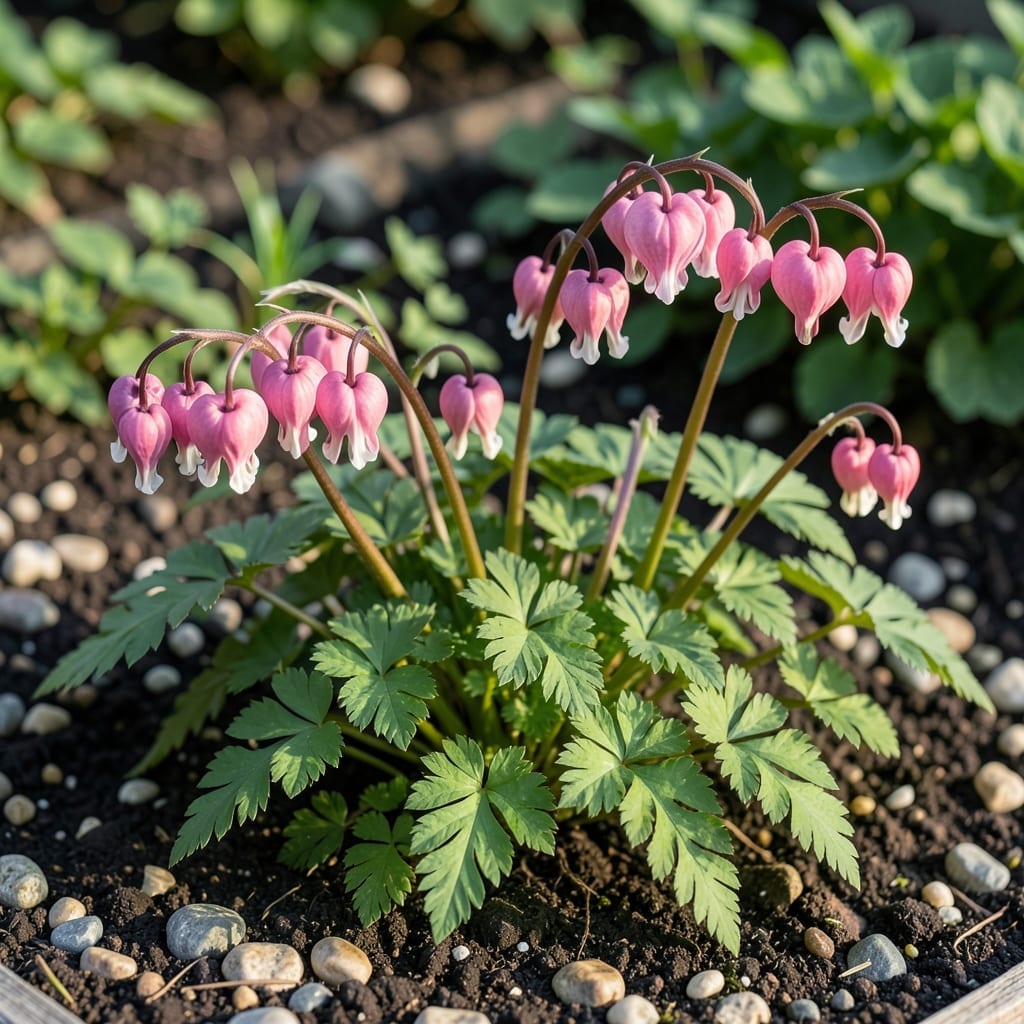
The delicate, heart-shaped blooms of the Bleeding Heart 💔 add magic to any garden, but their beauty depends on one critical factor: light balance. Too much sun can scorch their leaves, while too much shade may limit flowering.
I’ve learned through experience that getting this right transforms your plant’s performance. Whether you’re in zone 3-9 or just starting out, understanding their needs is key.
Let me show you exactly how to create the perfect environment for your Bleeding Heart to thrive and produce those stunning blooms all season long.
 Best Window Placement
If you’re wondering whether your Bleeding Heart thrives in sun or shade, the answer is simple: partial shade is ideal. These plants prefer 4-6 hours of gentle morning sunlight.
I’ve seen them struggle in harsh afternoon sun, which can scorch their delicate foliage. In contrast, too much shade reduces flowering, leaving you with lush greenery but fewer of those iconic heart-shaped blooms.☀️
| Requirement | Specification |
| Ideal Light | Partial Shade |
| Sun Exposure | 4-6 hours morning sun |
| Shade Tolerance | High, but blooms reduce |
| Sun Tolerance | Low, scorch risk |
In warmer climates like USDA zones 7-9, I recommend providing afternoon shade to prevent heat stress. The plants appreciate dappled light under trees, which mimics their natural woodland habitat.
For cooler regions in zones 3-6, they can handle a bit more sun, but still benefit from protection during the hottest part of the day. This balance keeps the soil moist and the foliage vibrant.
I’ve found that east-facing locations work beautifully, as they receive gentle morning light and remain shaded in the afternoon. This setup encourages longer bloom periods and healthier growth.
If you’re planting in containers, remember that pots heat up faster. I always place mine where they get morning sun and afternoon shade to maintain consistent conditions.
Soil moisture plays a role too. In full sun, the soil dries out quickly, which these plants dislike. In deep shade, the soil may stay too wet, leading to root rot.
The sweet spot is well-draining soil with consistent moisture, paired with that perfect light balance. When I get this right, my Bleeding Hearts reward me with vibrant blooms from spring to early summer.
Remember, these plants are woodland natives. They’ve evolved to thrive under a canopy, so replicating those conditions in your garden will give you the best results.🌿
I’ve found that partial shade is the secret to longer-lasting blooms on Bleeding Hearts. These plants flourish with 4-6 hours of gentle morning sunlight, which fuels their growth without overwhelming them.
In my garden, the ones placed in dappled shade under trees bloom 2-3 weeks longer than those in full sun. The cooler temperatures and indirect light help preserve the delicate flowers.
In hotter climates, I adjust by providing more shade during peak afternoon hours. This prevents heat stress, which can cause the flowers to fade quickly and the leaves to yellow.
For gardeners in cooler zones, partial shade still works best, but you can experiment with slightly more sun. Just watch for signs of leaf scorch and adjust accordingly.
Container-grown Bleeding Hearts need extra attention. I move my pots to follow the morning sun and ensure they’re in full shade by noon. This mimics their natural habitat and keeps them thriving.
Remember, these plants are woodland natives. They’re used to filtered light, so replicating that environment in your garden will give you the most spectacular and enduring blooms.🌿