
Beautiful Plants For Your Interior
Beautiful Plants For Your Interior
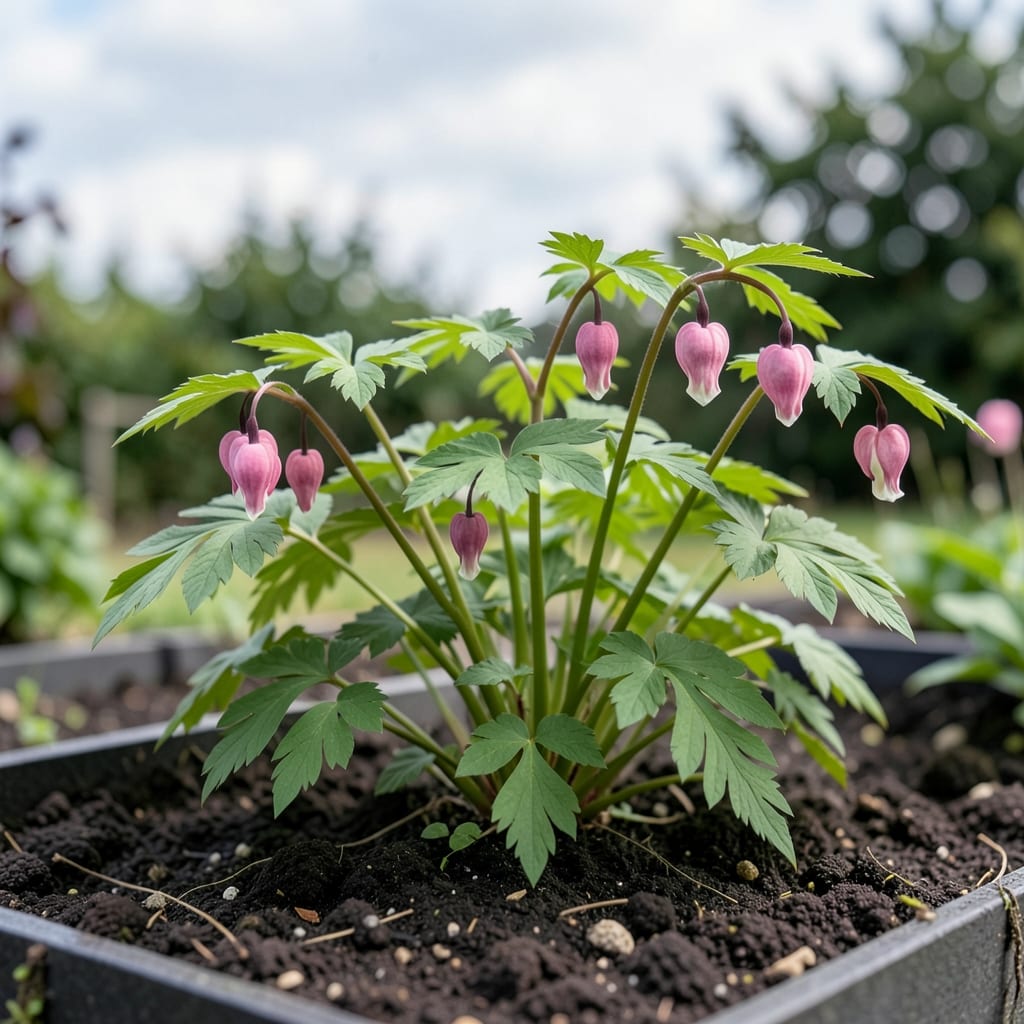
My bleeding hearts looked perfect last week—now the leaves are yellowing and wilting. I’ve learned the hard way that this usually signals a simple fix rather than a lost cause.
Overwatering, poor drainage, or even too much sun can stress these plants fast. The good news? With the right adjustments, those delicate leaves bounce back quicker than you’d expect.
📚 In This Guide
Here’s how I troubleshoot yellowing or wilting leaves to restore plant health quickly.
Start by looking closely at the yellowing pattern on your leaves. If it’s a uniform pale yellow across the entire leaf, your plant might be telling you it’s getting too much direct sun. Bleeding hearts prefer partial shade, especially in hot afternoons.
When you see yellowing between the veins (creating a network pattern), that’s often a sign of iron deficiency in the soil. I check this by comparing older leaves to new growth—older leaves typically show these symptoms first.
Wilting leaves often indicate a watering issue. Push your finger 1-2 inches into the soil near the base. If it feels bone dry, your plant needs more consistent moisture. Bleeding hearts like soil that stays evenly moist but never soggy.
If the soil feels waterlogged or smells sour, you might be dealing with root rot from poor drainage. Look for leaves that are yellowing and wilting simultaneously—this combination is a red flag. I always plant bleeding hearts in soil amended with compost to improve drainage.
Turn the leaves over and examine the stems carefully. Tiny webbing or speckling might indicate spider mites, while visible insects could be aphids. Both pests can cause yellowing as they sap the plant’s strength.
For fungal issues like powdery mildew, look for white powdery spots on the leaves. This often appears when there’s poor air circulation or when leaves stay wet for extended periods. I thin my plants in early spring to prevent these conditions.
If the lower leaves are yellowing but the veins stay green, your bleeding heart might need nitrogen. This is especially common in early spring when new growth demands more nutrients. A side dressing of compost usually does the trick.
When yellowing starts at the leaf tips and edges, it often points to potassium deficiency. In this case, I use a balanced fertilizer to restore nutrient levels. Remember that bleeding hearts are heavy feeders during their active growing season.
Bleeding hearts go dormant in summer heat. If your plant’s leaves are yellowing and dying back in late spring or early summer, this might be natural dormancy, not a problem. The plant will often reappear the following spring.
However, if dormancy starts too early in the season, it could indicate stress from extreme temperature swings. I’ve found that a 2-inch layer of mulch helps maintain consistent soil temperatures and moisture levels, giving the plant more stability.
These simple observations can save your bleeding hearts from unnecessary stress.
Diagnostic Shortcut: In Step 1, pay special attention to the yellowing pattern—it’s the plant’s way of telling you exactly what’s wrong. Uniform pale yellow means too much sun, while yellowing between veins signals iron deficiency. This one observation can cut your troubleshooting time in half.
Moisture Check: For Step 2, the 1-2 inch soil test is your best friend. If the soil clings to your finger, it’s moist enough; if it crumbles, it’s too dry. Bleeding hearts hate extremes, so aim for that Goldilocks zone of evenly moist but never waterlogged.
Prevention Tip: In Step 3, poor air circulation is a silent culprit for fungal issues. Thin your plants in early spring as mentioned, but also avoid overhead watering. Wet leaves for extended periods create the perfect environment for powdery mildew to take hold.
Seasonal Reminder: Step 5 mentions dormancy in late spring or early summer, but don’t panic if you see yellowing then. It’s natural! However, if dormancy starts earlier, that 2-inch layer of mulch isn’t just helpful—it’s a game-changer for maintaining consistent soil conditions.
Yellowing leaves often indicate overwatering, poor drainage, or nutrient deficiencies. Check soil moisture and ensure the plant isn’t sitting in water. A balanced fertilizer can help restore vibrancy.
Wilting may occur in extreme heat or drought. Bleeding hearts prefer cool, shaded spots. If temperatures rise above 75°F, provide afternoon shade and keep the soil consistently moist.
Yes! Trim back damaged foliage and improve growing conditions. Ensure proper watering (not too much or too little) and mulch to retain moisture. Healthy new growth should emerge.
Try shade-loving perennials like hostas, ferns, or astilbes. These thrive in similar conditions and offer lush foliage without the same sensitivity to heat or drought.