
Beautiful Plants For Your Interior
Beautiful Plants For Your Interior
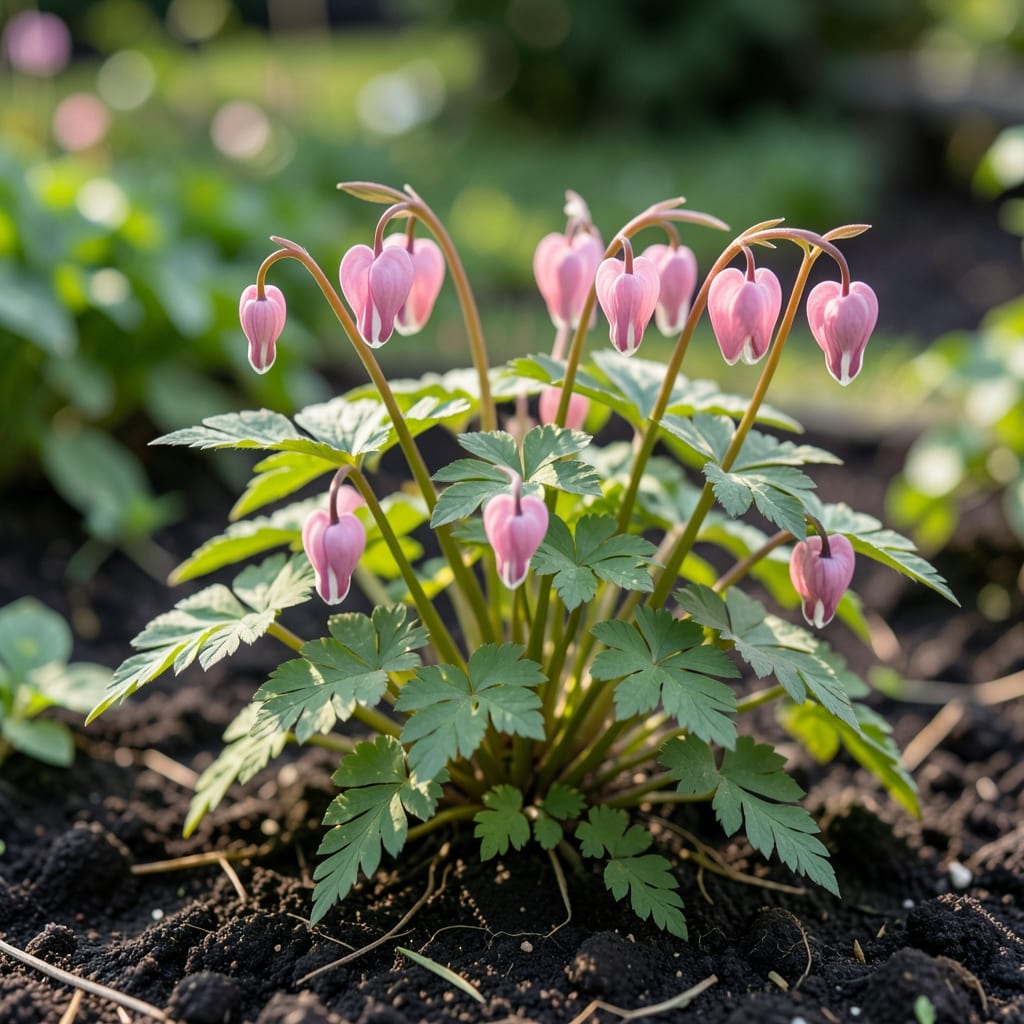
Bleeding hearts flourish in cooler climates because their root systems are adapted to consistent moisture without waterlogging. The ideal temperature range is 50-75°F, which aligns perfectly with zones 3-9‘s spring and fall conditions. In summer, these plants often go dormant in zones 7-9 when temperatures exceed 85°F, conserving energy for reblooming in cooler weather. 🌿
Humidity plays a subtle but important role. While bleeding hearts tolerate average humidity, they thrive in areas with 50-70% relative humidity during growing season. This prevents leaf scorch and maintains the plant’s signature fern-like foliage. In arid zones like parts of zone 3, afternoon shade becomes essential to prevent moisture loss through transpiration. ✨
The seasonal cycle is key to their survival strategy. In zones 3-5, the plants die back completely in winter, with roots surviving underground in temperatures as low as -40°F. Further south, in zones 6-9, the foliage may remain evergreen if winters stay mild, though blooming typically occurs in spring before summer heat sets in. 💫
What most gardeners don’t realize is how light intensity affects blooming. In cooler zones, bleeding hearts can handle more morning sun, which provides the energy for abundant flowers. However, in warmer zones, even dappled afternoon shade is crucial to prevent wilting.
The plant’s native habitat in wooded areas of Asia explains this preference for filtered light. ⚡
Soil temperature matters just as much as air temperature. The roots perform best when soil stays between 45-65°F. In zone 9, where summer soil temperatures can reach 80°F, a thick layer of organic mulch helps keep the root zone cool.
This is why bleeding hearts often struggle in the Deep South despite technically being in their hardiness range. 🔥
They can survive in zones 8-9 but often go dormant in summer heat above 85°F. Plant in deep shade and keep soil consistently moist. Afternoon shade is non-negotiable in these warmer areas.
Plant in early spring or fall, 4-6 weeks before your last frost. This gives roots time to establish before extreme temperatures. Early spring planting often yields blooms the first year.
This is normal dormancy, especially in zones 7-9. The plant conserves energy during heat stress. Cut back yellowed foliage to tidy the garden and encourage fall regrowth.
Use rich, well-draining soil amended with 2-3 inches of compost. They prefer slightly acidic to neutral pH (6.0-7.0). Avoid heavy clay soils that retain too much water.