
Beautiful Plants For Your Interior
Beautiful Plants For Your Interior
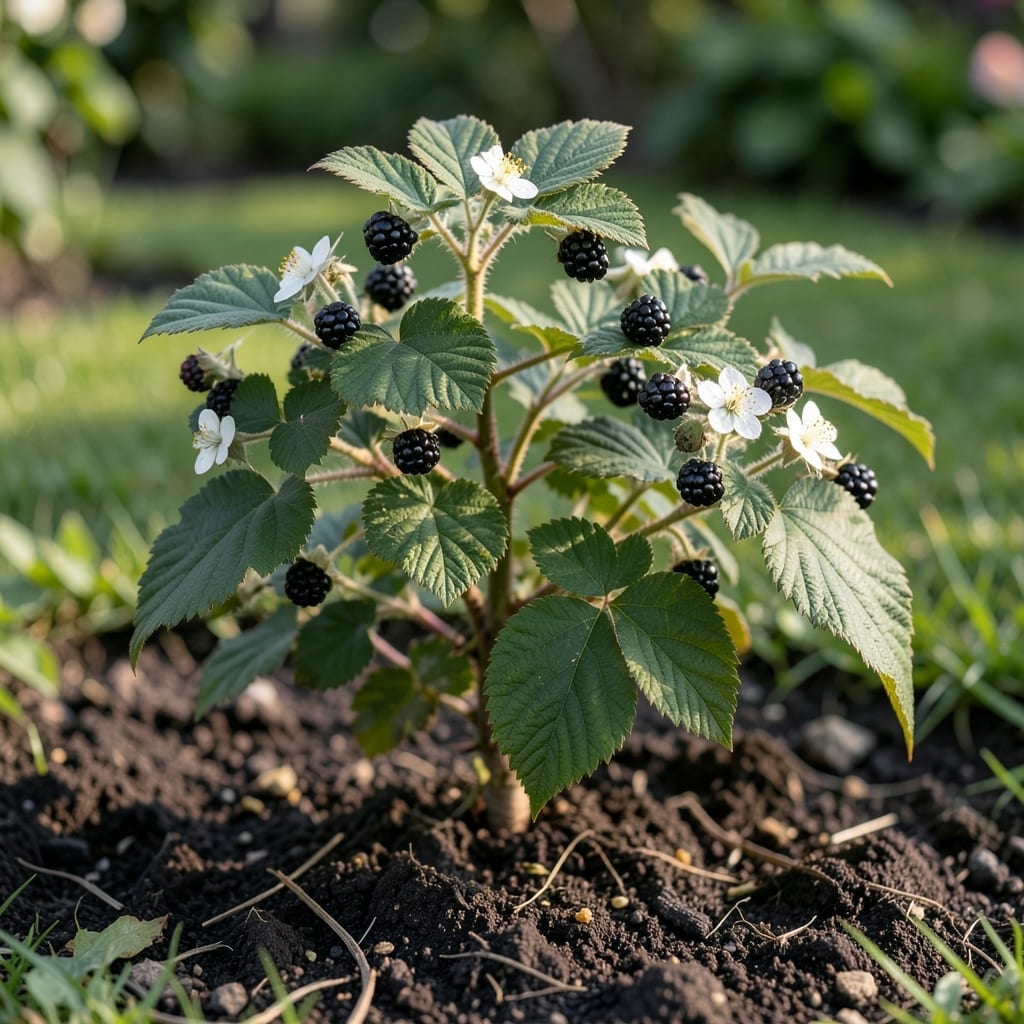
Blackberry plants often become invasive by spreading aggressively through underground runners and seeds, outcompeting native vegetation and disrupting local ecosystems with their dense, thorny growth.
I’ve seen these plants take over entire fields because their root systems can stretch 20 feet in a single season, while birds spread seeds far beyond the original patch. 🔥 This rapid expansion chokes out native plants, reducing biodiversity and altering soil composition in ways that favor their own growth.
What’s particularly challenging is their ability to thrive in disturbed soils, making them a common sight along roadsides and abandoned lots.
💡 In This Article
The primary driver is the plant’s rhizomatous root system, which sends out horizontal underground stems called runners. These can extend 15-20 feet annually, sprouting new canes at intervals. Each node can produce roots and shoots, creating dense thickets that shade out competing plants.
This vegetative reproduction allows a single plant to colonize thousands of square feet in just a few years. 🔥
Above ground, blackberries produce prolific fruit containing dozens of tiny seeds per berry. Birds and mammals consume these fruits and deposit seeds miles away through their droppings. Studies show seed viability remains high for 5-10 years in soil, waiting for ideal germination conditions.
The seeds require light to sprout, which is why they thrive in disturbed areas where soil is exposed.
What makes them particularly aggressive is their rapid growth rate. In optimal conditions, canes can grow 6-10 feet in a single season. The dense, thorny growth creates physical barriers that prevent other plants from establishing.
This monodominance alters soil microbiology by increasing fungal populations that specifically support blackberry growth while suppressing beneficial bacteria for other species.
The thorns serve dual purposes: protection from herbivores and structural support for climbing. Each thorn is a modified stem that can grow up to 1 inch long. This defense mechanism, combined with the plant’s tolerance for poor soils and drought conditions, gives it a competitive edge over more delicate native species.
The thorn density can reach 50-100 thorns per square foot in mature thickets.
Environmental conditions accelerate this process. Blackberries thrive in full sun and can tolerate a wide pH range (5.0-7.5). They’re particularly invasive in areas with 1,000-2,000 mm annual rainfall, where their growth rate outpaces most native vegetation. The plants also benefit from nitrogen deposition from vehicle emissions, which is why they’re so common along highways.
This combination of vegetative and sexual reproduction, rapid growth, and environmental adaptability creates a perfect storm for ecosystem domination. Once established, a blackberry thicket can reduce native plant diversity by 70-90% within a decade. ✨
Blackberry roots can extend 15-20 feet per year through underground runners. Above ground, canes grow 6-10 feet in a single season, creating dense thickets quickly.
Even small root fragments can regrow, and seeds remain viable in soil for 5-10 years. Their extensive network of thorny canes also makes physical removal challenging.
Late winter is ideal for cutting back canes, while late summer is best for chemical treatment. Apply herbicide within 24 hours of mowing for maximum effectiveness.
Never compost blackberry canes or roots. Even small pieces can sprout and spread. Always bag and dispose of all plant material in the trash.