
Beautiful Plants For Your Interior
Beautiful Plants For Your Interior
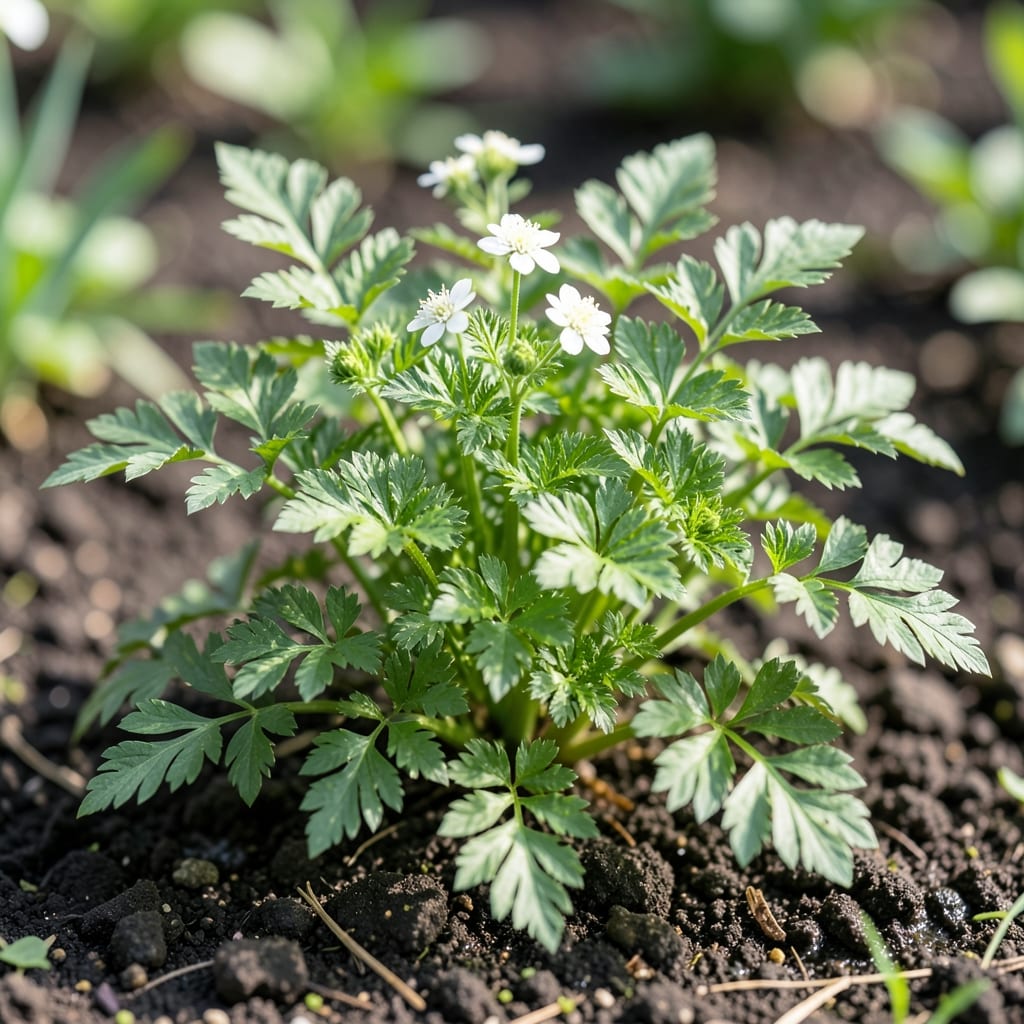
Black swallowtail caterpillars primarily rely on plants in the carrot family, including dill, parsley, fennel, and Queen Anne’s lace as their essential host plants for growth and development.
These plants share a unique chemical profile that signals to female butterflies they’re safe for egg-laying. 💫 I’ve noticed these caterpillars thrive best when they have access to fresh, tender foliage from the Apiaceae family. Gardeners can attract more of these beautiful pollinators by planting clusters of these herbs and flowers in sunny spots.
💡 In This Article
Black swallowtail females detect specific volatile compounds in Apiaceae plants, like limonene and myrcene, which signal ideal egg-laying sites. These chemicals act as a biological beacon, guiding butterflies to safe, nutritious hosts for their offspring. The caterpillars’ digestive systems are perfectly adapted to process the unique alkaloids found in these plants, which most insects avoid.
🌟
What makes this relationship remarkable is how the plants provide more than just food. The leaves of dill, parsley, and their relatives contain high levels of furanocoumarins, compounds that actually deter most predators but are harmless to these specialized caterpillars.
This gives the larvae a competitive advantage, as they can feed on plants that other herbivores won’t touch. ✨
Nutritionally, these host plants offer the perfect balance for growing caterpillars. They’re rich in proteins and carbohydrates that support rapid growth—black swallowtail larvae can increase their body mass by 10,000 times in just 10-30 days. The tender new growth is particularly prized, as it’s easier to digest and contains higher nutrient concentrations than mature leaves.
💫
The timing of this relationship is also precise. Female butterflies seek out fresh, young plants in spring and summer when their eggs are laid. This ensures the emerging caterpillars will have access to the most nutritious foliage during their critical growth period.
The plants benefit too, as the caterpillars rarely consume enough to harm healthy, established specimens.
This co-evolution has created a beautiful symphony of chemistry and biology. The butterflies get a safe nursery with abundant food, while the plants gain pollinators for their flowers. It’s a perfect example of how specialized relationships in nature allow both species to thrive. 🔥
They also thrive on carrot tops, celery, and wild parsnip. Fennel and Queen Anne’s lace are other top choices from the carrot family. These all share the chemical signals that attract egg-laying females.
The plants release unique volatile compounds like limonene that signal safety. Their leaves also contain furanocoumarins, which deter predators but are harmless to the caterpillars. This creates a perfect nursery.
Plant extra to ensure enough for both caterpillars and your kitchen. Use succession planting every 3-4 weeks for continuous fresh growth. The caterpillars rarely harm mature, healthy plants.
Start seeds indoors 6-8 weeks before your last frost. Transplant outdoors when temperatures stay above 50°F at night. This ensures fresh foliage is ready for spring egg-laying.