
Beautiful Plants For Your Interior
Beautiful Plants For Your Interior
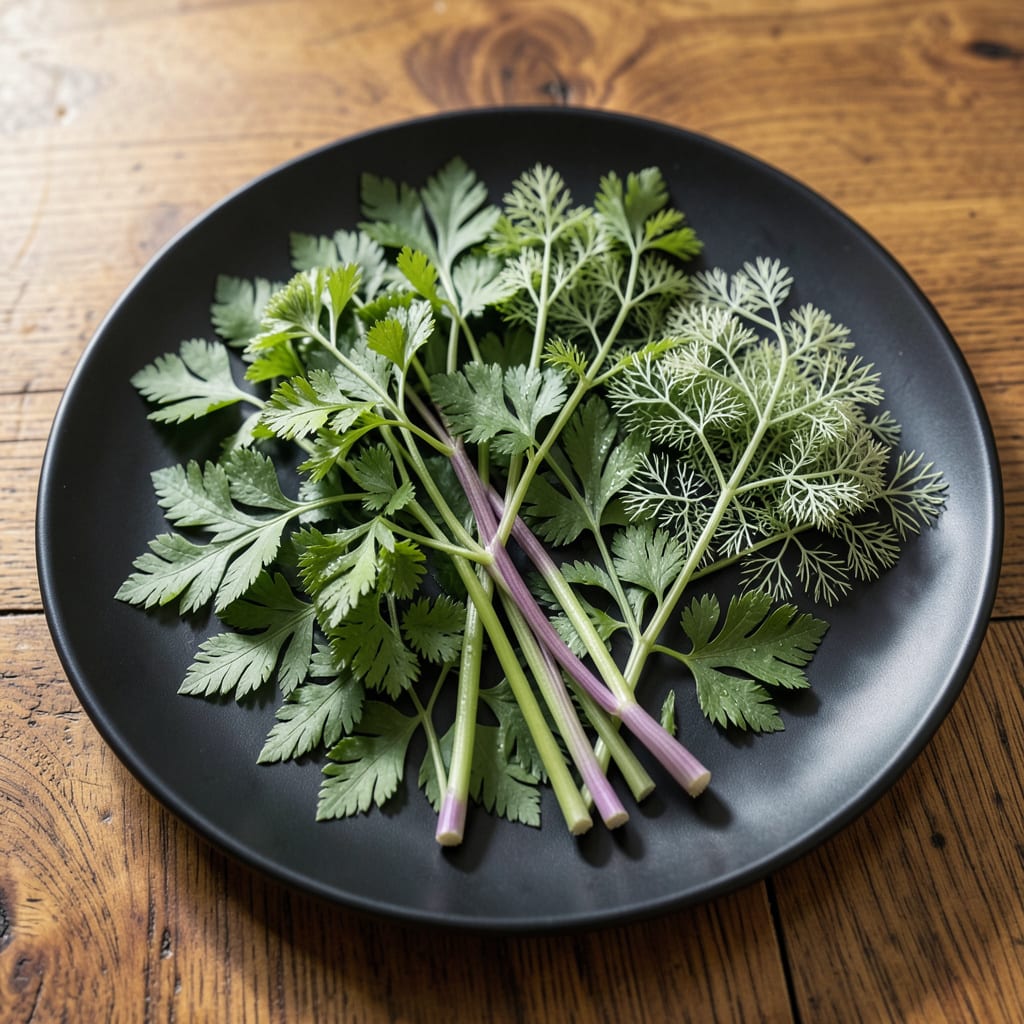
I still remember the chill of realizing I’d been pulling what looked like harmless wild carrots. Poison hemlock and Queen Anne’s Lace share delicate white flowers, but one will make you sick—fast.
The leaves tell the real story: hemlock’s have a musty smell and smooth, fern-like appearance, while Queen Anne’s Lace leaves are feathery and smell like carrots. Spot the difference before you touch.
📚 In This Guide
Follow these careful steps to distinguish these plants safely and accurately in any environment.
Start by inspecting the main stem at the base. Poison hemlock stems are smooth and hollow with characteristic purple blotches or streaks, especially where the stem meets the roots. This is the most reliable early warning sign.
Queen Anne’s lace, by contrast, has hairy stems with no purple markings. Run your fingers lightly along the stem—you’ll feel fine bristles on the wild carrot but a slick surface on hemlock. Never crush or break the stem, as hemlock releases toxic compounds through damaged tissue.
Poison hemlock leaves are ferny and finely divided, resembling wild carrot leaves at first glance. However, hemlock leaves are more triangular in overall shape and have a musty, mouse-like odor when crushed. The leaflets are also more delicate and lacy in appearance.
Queen Anne’s lace leaves are also fern-like but appear more feathery and less structured. The key difference is the scent—wild carrot smells pleasantly earthy, like a garden carrot, especially when the leaves or roots are bruised. This olfactory test is one of the most effective ways to tell them apart.
Both plants produce white, umbrella-shaped flower clusters called umbels, but the details differ. Poison hemlock flowers are smaller and more densely packed, often with a flattened or rounded top. The individual flowers are uniform in size and lack the distinctive dark floret at the center.
Queen Anne’s lace, however, almost always has a single dark red or purple flower in the center of its umbel—legend says this marks where Queen Anne pricked her finger while making lace. Additionally, the flower clusters are more open and airy, with a slightly convex shape when fully mature.
Poison hemlock typically grows 5 to 10 feet tall with a sturdy, upright habit. The plant often appears more robust and bushy, especially in its second year of growth. In shaded areas, it may grow taller as it stretches for light, but the stem remains smooth and purple-spotted.
Queen Anne’s lace usually stays between 2 to 4 feet tall and has a more delicate, wispy appearance. It tends to flop or sprawl slightly, especially after heavy rain or wind. The overall shape is less rigid, and the plant often grows in loose, airy clumps rather than dense stands.
If you can safely uproot a small section (wear gloves and avoid skin contact), examine the root. Poison hemlock has a white, carrot-like taproot that smells foul when cut. This is a critical identifier, as the root’s odor is unmistakably rank and unpleasant.
Queen Anne’s lace, being a wild carrot, has a thin, white taproot that smells sweet and earthy—exactly like a cultivated carrot. This is the most definitive test, but only attempt it if you’re certain you can do so without exposing yourself to hemlock’s toxic sap. Always dispose of any uprooted hemlock carefully, as all parts of the plant are poisonous.
These practical pointers will help you identify these plants with confidence and precision.
Stem Examination Technique: When following Step 1, be sure to inspect the stem at multiple points, not just the base. The purple blotches on poison hemlock can appear anywhere along the stem, especially near leaf nodes. Remember to only run your fingers lightly—never break the stem, as this can release hemlock’s toxic compounds.
Olfactory Caution: In Step 2, crushing leaves to test the scent can be risky with poison hemlock. Instead, gently bruise the leaves between your fingers and bring them to your nose carefully. The musty odor of hemlock is unmistakable once you’ve smelled it, but safety should always come first.
Flower Cluster Inspection: For Step 3, examine the umbels from multiple angles. The dark central floret on Queen Anne’s lace is often most visible when looking directly down at the cluster. Poison hemlock’s uniform flowers can appear deceptively similar at a glance, so take your time with this inspection.
Height Context Consideration: The height ranges in Step 4 assume mature plants in ideal conditions. In less favorable environments, both plants may appear shorter. Always consider the other identifiers alongside height, as this single factor isn’t definitive on its own.
Poison hemlock has smooth, purple-spotted stems and a musty smell, while Queen Anne’s lace has hairy stems and a carrot-like scent. Hemlock leaves are more finely divided and lack the central dark red flower typical of Queen Anne’s lace.
No! Poison hemlock contains toxic alkaloids that can absorb through the skin. Always wear gloves when handling suspicious plants, and wash your hands thoroughly afterward to avoid contamination.
Both grow in spring and summer, with Queen Anne’s lace blooming from May to October. Poison hemlock flowers earlier (June-August) and often grows taller. Check roadsides, fields, and disturbed areas during these months.
Yes! Stick to cultivated carrots or buy from trusted sources. If foraging, consult an expert—never eat wild plants unless you’re 100% certain they’re safe. Misidentification can be deadly.
